
Albatroz review
- 0 Comments
It’s an uphill climb to find enjoyment in this beautiful but buggy and underdeveloped backpacking adventure
On the surface, Albatroz is a game about backpacking. There are stunning, wide open environments to explore on foot or by car, accompanied by celebratory American folk music, and a sense that the story is going to be about joyous, technology-rejecting self-discovery. As it turns out, however, the game is much less simple than what it presents on the tin. Unfortunately, due to its unexpectedly rigid linearity and a host of technical issues, it is also significantly less satisfying.
Anyone excited by the promise of spending 18-20 hours hiking across vast natural landscapes will be disappointed by the fact that Albatroz is a fairly tight adventure. It predominantly follows a woman called Isla, who is fed up with city life and decides to seek out her explorer brother, who disappeared somewhere in what’s known as "The Forbidden Lands." In her travels she ends up meeting Sence, a shaman-in-training, and Serpi, a guitar-wielding wanderer. They are voiced by earnest and convincing actors, no matter the hokiness of the dialogue, and make for a likeable trio in their distinctly differing worldviews. They all quest together not just to help Isla but also in search of Albatroz, which happens to be a moving mountain. A clear element of fantasy, then, is threaded through an otherwise more grounded experience.
There is a lot going on in terms of gameplay, particularly in how it switches between backpacking and driving your vehicle. Both have a fairly even balance as you navigate different types of environments, whether driving through brush or climbing and jumping across wind-swept mountains. The journey itself, though, doesn't give much choice to the player despite the lack of any clear narrative route towards Albatroz. The main characters, who become a playable trio only a couple hours in, largely just keep going onwards in their search as to where the titular mountain might be. Non-linearity is restricted to checking the edges of the environment or, at one point, choosing to go left or right first.
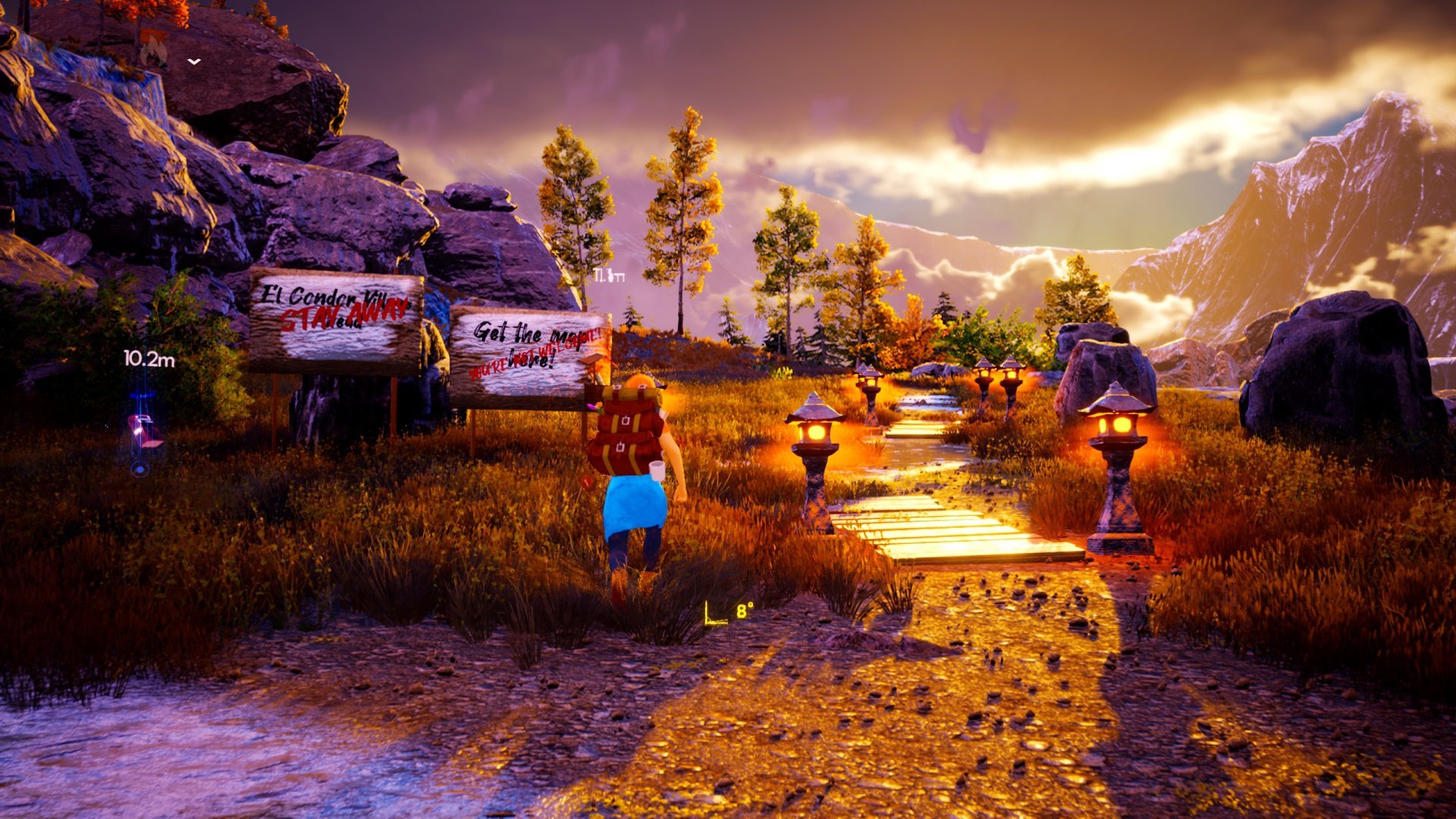
Without the distraction of freedom, it's more notable then that the core driving mechanics and climbing aren't particularly complex or polished, with "accelerate" and "jump" being the core of each, respectively. The collect-a-thon activities of finding religious caverns and scrawled-upon stones don't add much to the experience, either, given that expansive roaming to find them is never an option. Complexity only really comes to the fore in the persistent challenge of keeping the characters alive.
Albatroz could be reasonably described as a survival game, with stats constantly being impacted during your journey onwards. This is evident from the very start, with your car's decreasing fuel tank and capacity to be damaged by poor driving. The central protagonists themselves, who you can swap between at will, have a much wider range of stats to be looked after, from the basics of hunger and thirst to keeping up the strength of their arms and legs. Letting any of these become totally depleted starts to impact your overall health. Sleep can help you rest your limbs and heal, and scattered items have effects such as boosting energy and changing temperature. There are a number of overlapping systems at play, though the game avoids clarity: I never knew whether depleted stats might stack together for larger health consequences, nor whether benefits of food and water would be shared across the whole group. The game doesn't encourage much pausing for thought, but rather barreling on ahead in a search for items and shelter.
This is not a supremely difficult game on its standard difficulty setting, but you constantly need to be both cautious and attentive. A dangerous jump or wasteful climbing can land you in a difficult predicament, as can lacking a decent spread of items. Items are plentiful but there's limited backpack space. You also need to make sure to upgrade your base statistics using points gained from exploration, and to use each character's unique, cooldown-driven skill appropriately. (Team-wide camping for Isla, targeted limb-healing for Sence, and universal fall damage reduction from Serpi.) This roleplaying approach makes the game marginally more engaging, as failing to concentrate can mean leading your characters into death.
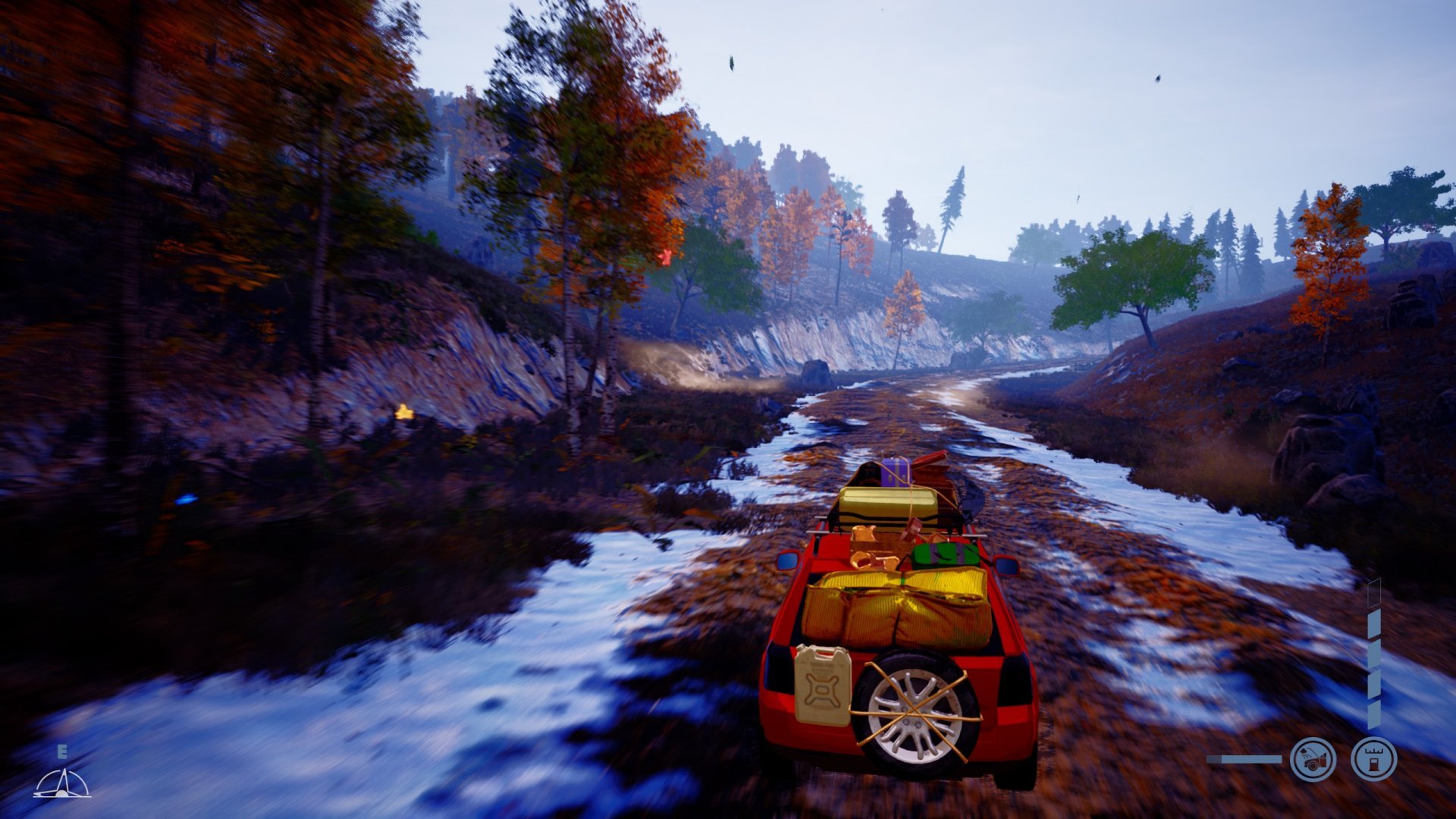
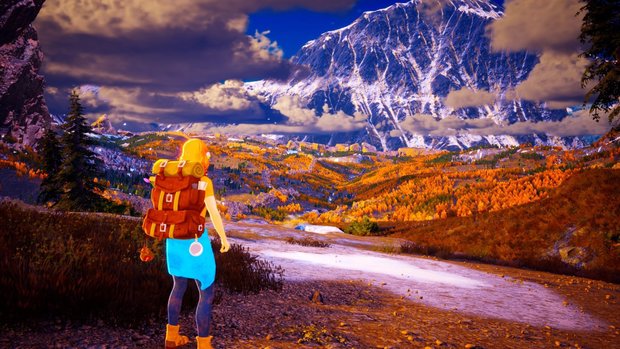
A sense of scale occasionally makes the game seem more than the sum of its parts. The journey naturally involves going through a range of environments: dense forests, arid deserts, salt plains, and more. There's a day-night cycle, with its differing temperatures encouraging you to take heed of it. What's most impressive is the variation in weather conditions, however, with the likes of fog, rain and beaming sunshine coming upon you unpredictably. All of these qualities together make for a sense of genuine adventure, and allow for moments of awe that are enough to compete with the biggest-budget releases.
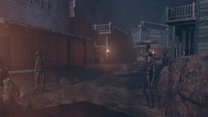
It is a beautiful game at times, with colourful landscapes and striking environmental effects. Whipping rain and late-day sunshine make the world feel real and, for a brief moment, immersive. However, when this surface is lifted away there are inconsistent foundations beneath, with rock faces looking blocky and water lacking the realism so standard elsewhere. The lower-quality visuals can best be noticed whenever you view the world through a telescope, replacing hi-res spectacle with the sense of playing a weak PS2-era title. But the most egregious graphical letdowns are the character models and animations, Isla in particular having a featureless, unreactive face and clothes with little dynamic movement. Perhaps it’s a good thing that most of the NPCs you encounter are stationary so as not to further expose Albatroz's underwhelming cast design.
Albatroz
| Genre: | Adventure |
|---|---|
| Presentation: | Realtime 3D |
| Theme: | Nature, Psychological, Team-up, Missing persons |
| Perspective: | Third-Person |
| Graphic Style: | Photorealism |
| Gameplay: | Action-Adventure, Quest, RPG, Resource management |
| Control: | Direct Control |
| Game Length: | Long (more than 10 hours) |
| Action: | Platforming, Driving |
| Difficulty: | Low |
There are some memorable set pieces along the way that incorporate different elements: scrambling down a hillside in terrific winds whilst chasing a spectral figure, for instance, or avoiding rockslides whilst torrential rain whips across the screen. There are some really surprising ones that I won’t spoil, and a couple of moments when the game is neatly designed to make you employ character skills. This is most common for Serpi, with some exploration likely to wipe out your whole party if you don't moderate your fall damage.
There's plenty enough variety that the pacing should feel perfectly engaging, and yet despite all the different environments, escapades, and ever-changing stats, the game never really lets you feel like a backpacker. The problem is that all too frequently Albatroz fails to make the basic gameplay meaningful, no matter what drama unfolds around it. Movement mechanics are imprecise, with clambering up rock faces being about jumping rather than more nuanced control. The game also includes things that suggest usefulness but are nearly useless clutter in reality. Maps don't often have to be referred to – even though the game, bizarrely, reminds you multiple times how to navigate them. Planning is positioned as something important to the plot, and yet deciding on items and getting snippets of "intel" are usually unnecessary because of all the organic discovery and item collection. There's a more complex wilderness survival experience waiting to burst out of a game that feels like it's in beta testing.
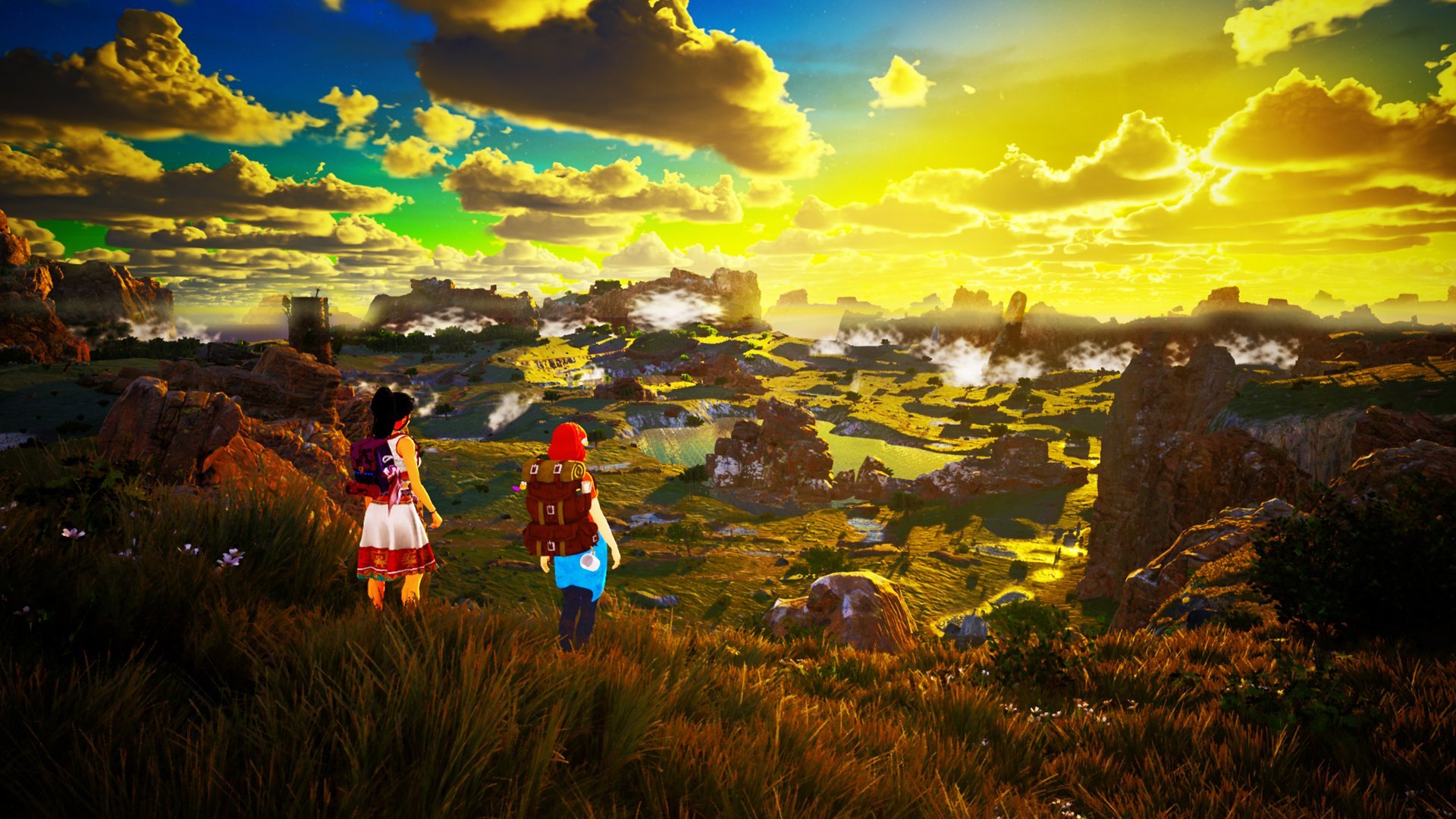
Frequently, too, you're reminded that the journey is both contrived and underdeveloped. On one hand you're encouraged to explore, namely to find sacred sites and a series of stones marked with a traveler's scrawlings. On the other, however, you are expected to only explore within certain parameters, and all too often you're teleported back – with the screen blacking out for several seconds first – because you've gone too far. The initial promise of a boundless world is quickly replaced by the knowledge of tight limitations. Indeed, post-release patches constricted vast areas further with these invisible teleportation walls, rather than the alternative of introducing more meaningful experiences into them.
Driving is another particularly imperfect element, even if it's fun to regularly switch between that and walking. The enjoyment comes from getting up some decent speed and feeling like you're covering a significant amount of ground. The disappointment comes from the fact that it takes most of the game for your car to become an all-terrain vehicle. This unnecessary gatekeeping creates some of the early hours' biggest red flags. Any feeling of freedom is deeply undermined by the fact that going slightly off-road in the first area, into very low grass, causes the vehicle to drag at a snail's pace. A more significant issue comes from not being told how to upgrade your vehicle, which led me to waste about an hour trudging across the desert on foot. It’s a bizarre failure given that the interface can often be all too much, like the way it regularly immobilises the player character for several seconds to let you know about upgrade points you've earned.
My biggest frustration with Albatroz is how buggy it is to play. A few times I had to reload saves because of characters getting stuck, whether lodged in a canyon or left accidentally piggybacking each other, or simply because the camera wouldn't pan down to the ground after refuelling. Bugs are so frequent and unavoidable that it's baffling they haven't been resolved by more than ten patches released since the game launched. At least you have as many save slots as you need, though you can only record your progress at particular points. My lack of confidence in the game holding up, coupled with these save restrictions, left me especially nervous during the long endgame stretch.
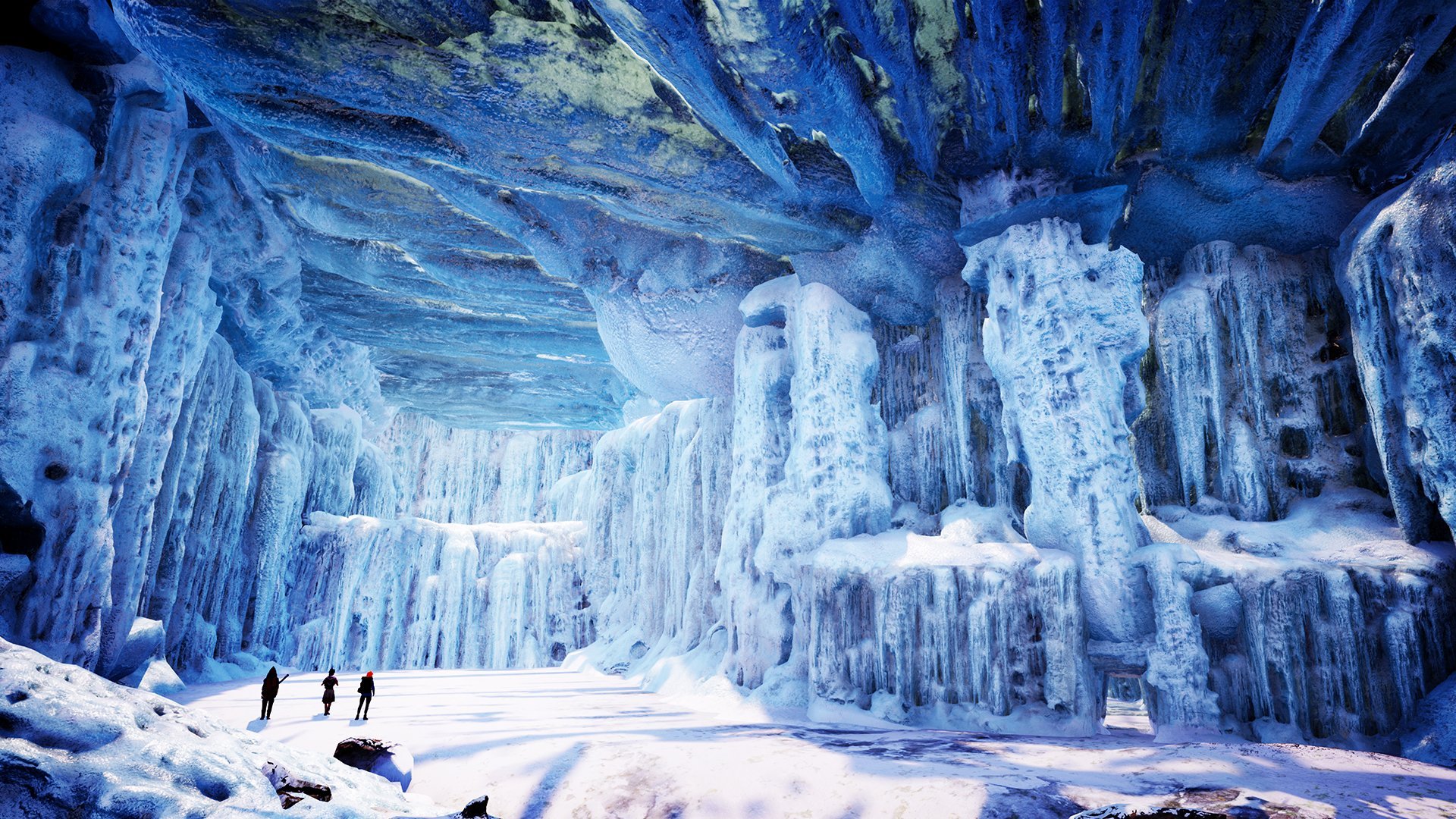
But it isn't just gameplay elements that drag the experience down, as there are fundamental issues with the tale that the developers are telling. The world itself doesn't feel convincing, unsure whether it wants to be fantastical or realistic. One of Isla's motivating factors is the humdrum, copy-and-paste nature of modern life. The rural escape that she finds herself in, however, has giant moving mountains, fireflies imbued with consciousness, and other supernatural elements that don't seem to induce any shock. This ambiguity extends to the nature of the world's physics, too, with gameplay hinging on factors like the impact of inclines whilst cutscenes allow the party to scale a 50-foot totem pole. There's a profound story to be told of letting nature test your limits and self-understanding, but there's not enough precision for it to hit home here.
A similar issue is that the game seems to be set in a fictitious version of South America, yet there doesn't appear to have been much attempt at cohesive geography. Instead the stops on your journey are more like an assortment of environments than organically connected places. More serious is the fact that the story leans too much on tropes, such as the encounter with wise, masked tribesfolk. This feels more questionable than it might have because of the insensitivity shown towards a shaman character, Gelya, who is supposedly a leader yet often speaks in a nonsensical warble. Perhaps the character is meant to be a send-up of clichés, an attempt to create a superficially silly mentor in the vein of Yoda. All it does, however, is make the game look tacky and unintelligent.
The lack of awareness is bizarre given the game’s attempt to engage with complex ideas. One of my worries was that centering tribesfolk in the story would lead to the deification of them; that they would exist simply to provide wisdom to the out-of-touch city dweller. The story approaches the fantastical elements with some nuance, however, using them as a springboard for major debates like science versus religion. The inclusion of mask-wearing tribesfolk might be hackneyed, but the story avoids superficiality by allowing each character’s understanding of the world to co-exist. No single worldview comes out on top, whether its Sence's faith, Serpi's nonchalance, or Isla's scientific outlook. The urge to escape modern city life is critiqued too, suggesting it's not an instant paean if not done for the right reasons.
If the world of Albatroz isn’t always cohesive, the approach to the audio suggests a real attempt to imbue it with power. The score is sporadic, with thrashing instruments popping up to emphasise moments of real risk. More frequent are a couple of earnestly sung, gently epic folk songs, and the lack of variety doesn't undermine their support to the sense of epic adventure. This commitment to the cause extends to the main voice actors, too: their lines feel like first drafts but are spoken with genuine emotion, and allow you to connect with the protagonists despite the dearth of character moments.
Final Verdict
There is real possibility here for a great game about backpacking, but it seems like the opportunity may have passed, with numerous patches still unable to make a more rewarding experience. The humanism, interesting ideas and pleasant vistas show potential but unfortunately can't make up for a lack of regular enjoyment. Moments of awe and philosophical intrigue are undermined by frequent bugs, multiple limitations, and an underbaked narrative. Even some of the best moments made me think of other, better games, and there were times I returned to this one begrudging another trudge towards the titular moving mountain. There’s some enjoyment to be found in Albatroz, but all too often what should have been a scenic hike through the wilderness ends up tripping over its own feet.
Hot take
Albatroz is a walking simulator in its truest sense, but in marrying limited backpacking with level-building statistics, it lacks enough depth or fun to provide more than a few moments of genuine, unqualified awe.
Pros
- Great voice acting from the leads
- Impressive vistas now and then with exceptional weather effects
- Managing stats makes trekking constantly engaging
- Inspiring folk music
- Some philosophical wisdom explored
Cons
- Some blocky environments and character models lack definition
- Movement is imprecise
- Invisible walls frequently hinder adventuring
- Narrative themes are inconsistently satisfying
- Mechanics aren't developed enough to allow complex thought and challenge
Ceridwen played Albatroz on PC using a review code provided by the game's publisher.

- Advertisement
- Help support AGH by advertising with us





0 Comments
Want to join the discussion? Leave a comment as guest, sign in or register in our forums.
Leave a comment