
Planet of Lana II: Children of the Leaf review
- 1 Comment

Another solid puzzle-platformer, displaying some changes but ultimately not a world of difference
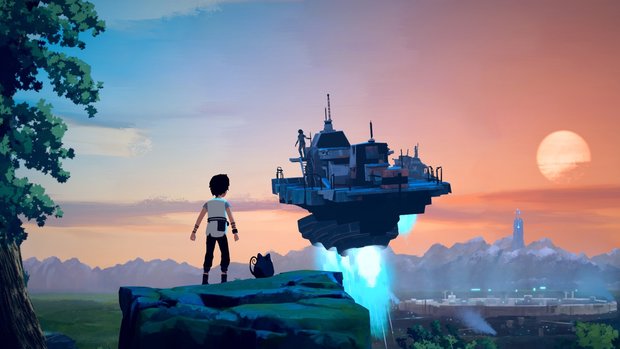
When designing a sequel to a successful debut game, there are two key tasks for a developer. The first, like a physician, is: do no harm. Don’t fix what ain’t broke, and retain all the good parts that made the original work so well in the first place. The second, of course, is to fix what IS broke to make for an even better experience. The goal, then, is (usually) “more of the same, but better.” If you’re a glass-half-full sort, the good news is that Wishfully’s follow-up to 2023’s Planet of Lana is indeed more of the same, doubling down and even expanding on some of the more impressive components of its predecessor. If you’re a glass-half-empty type, you may come away disappointed that the very things that held the first game back from greatness return as well. Both are true of Planet of Lana II: Children of the Leaf, which provides another rock-solid cinematic puzzle-platforming experience without taking a significant leap forward.
For the most part, the games are so similar that I could pretty much copy/paste my review of the first one verbatim, changing only a few details around the margins, though there are some differences. After its invasion by a technologically advanced species the first time around, the world of Novo itself has changed somewhat. No longer a purely pre-industrial race, the inhabitants have adopted some of the machinery and equipment of their would-be conquerors for their own purposes. But that has unforeseen consequences in the form of a kind of toxic pollutant caused by over-mining from a particularly aggressive faction. When the young niece of the game’s titular protagonist falls violently ill because of it, it’s up to Lana once again to come to the rescue – with help, of course, from her adorable little black blobby companion, Mui.
And so begins another side-scrolling sci-fi adventure that blends platforming and environmental puzzle solving with a touch of tense action and stealth for good measure. As it was the first time around, it’s a largely enjoyable mix here, though the distribution of elements and difficulty feels a little off on occasion. Sometimes you’ll triumph over one head-scratching room puzzle only to run right smack into another, while other times it’s smooth sailing across vast areas with little to no interaction. In general, however, the game doesn’t focus long on one gameplay type before shifting to another to keep things fresh.
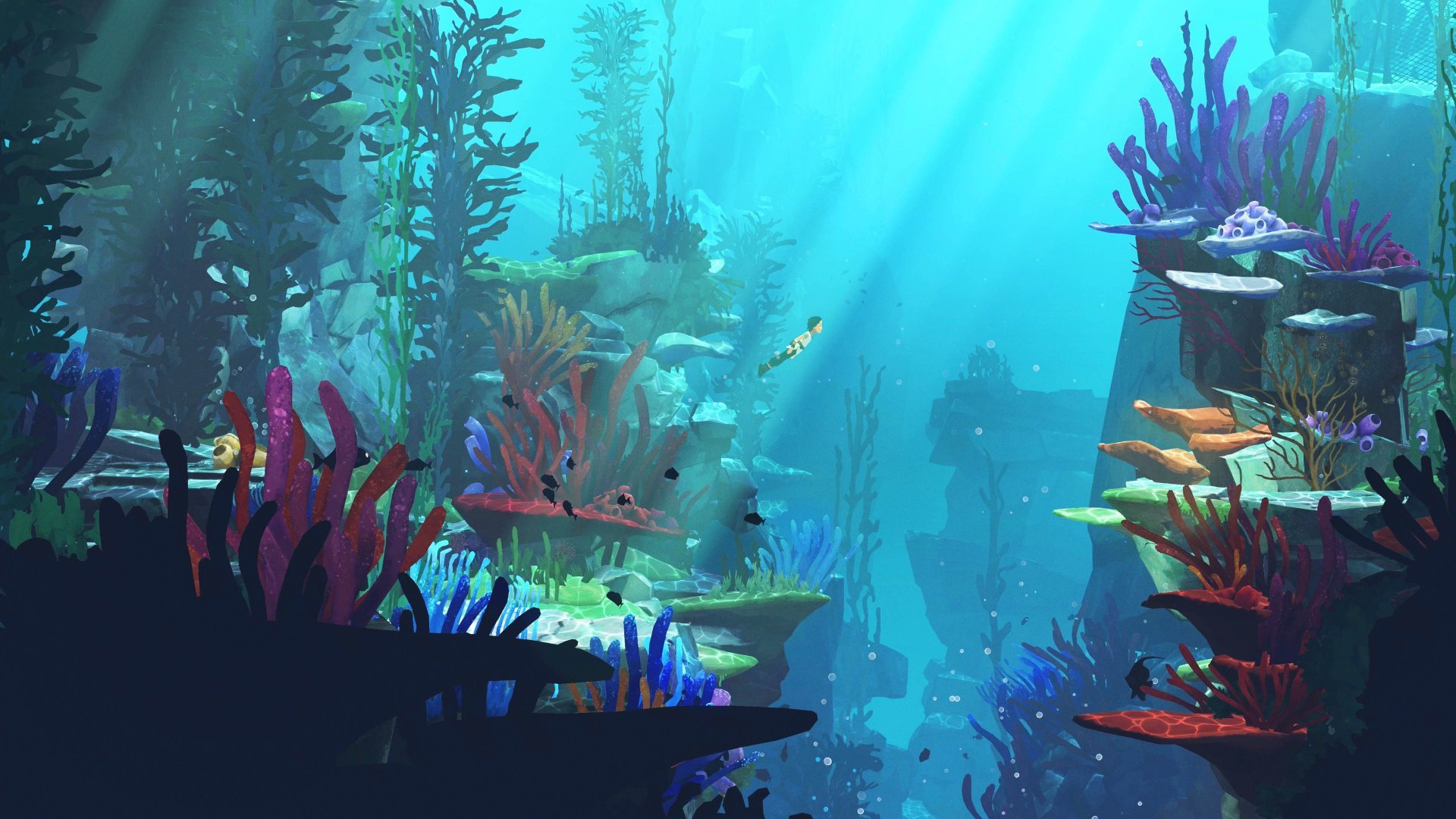
Lana is a couple years older now and more agile as a result, but still limited physically to walking/jogging, jumping, crouching, climbing, grabbing ledges, and dragging certain movable objects – typical stuff. But she can also slide and dive deep into water this time instead of remaining on the surface, though she can’t hold her breath forever. Gamepad controls (as recommended, though keyboard/mouse are an option too) are fairly loose – a precision platformer, this is not – but for the most part that’s good enough, except for those times when your momentum carries you off a narrow platform or you have mere moments to interact with something whose narrow hotspot decides to play hard to get.
It’s Mui who does most of the fun stuff here, though he’ll still only act as you instruct him. (My Mui is a he; your mileage may vary as it’s never specified.) As before, you can set waypoints for him to move to (if able), and have him directly interact with certain environmental elements, such as pushing basic mechanical buttons and chewing through yellow-highlighted wire or vine vulnerabilities. One key difference is that your area of influence is much greater now. Instead of having very limited range for controlling Mui, now you have the entire screen to work with. Your pal can jump much higher and fit into small spaces, so he can be used to access areas out of reach to young humans. He hates water, though, so it’s up to Lana to find alternative means of transport for him when things get wet.
It’s imperative to coordinate movements and actions between Lana and Mui, both for puzzle solving and for avoiding enemies. You’ll need to position Mui in such a way that he can control a platform that Lana needs, or briefly disable a camera or patrolling droid for her to sneak by. Or Lana can distract a guard bot, allowing Mui to whisk in behind, or move objects needed to get Mui safely across a gap. The challenges start out simple but don’t take long to ramp up into longer sequences of greater complexity. The game is essentially a co-op experience for one person. (I’m sure an actual two-player option for this series is only a matter of time.)
Where things get extra spicy is when Mui, in turn, uses his hypnotic ability on other creatures (or machines). Some effects are passive, like tentacles that retract to allow passage, while others give you direct control, such as a fish that can squirt out clouds of ink that make for great cover from deadly predators, or flying bots with the ability to magnetically lift and carry objects. Perhaps the cleverest – if potentially the most frustrating – are little fluffy balls that roll and cling to surfaces and excrete some kind of slime – flammable slime, once it connects with an open flame, as it must for controlled burns just so to allow further progress. My favourites, however, are the jungle pods that enable players to indulge their green thumbs.
While admirable in concept and enjoyable for the most part, there are a few things that make the gameplay potentially troublesome. It isn’t always clear what Mui can and can’t hypnotize, and it can once again be difficult to discern what ledges or layers are accessible. More than once I made a jump expecting to grab a platform that proved to be nothing but background. Another time I spent minutes looking for a way to get past a blazing fire in my path, only to discover that the fire wouldn’t touch me to run right through it. The parallax scrolling is wonderful for visual immersion, but sometimes the layering is too subtle, making it detrimental to gameplay.
Planet of Lana II: Children of the Leaf
| Genre: | Science Fiction |
|---|---|
| Presentation: | 2D or 2.5D, Side-scroller |
| Theme: | Other worlds/dimensions, Savior, Team-up |
| Perspective: | Third-Person |
| Graphic Style: | Stylized |
| Gameplay: | Environmental puzzler, Puzzle-platformer, Quest |
| Control: | Direct Control |
| Game Length: | Medium (5-10 hours) |
| Action: | Platforming, Stealth, Timed events, Chase |
| Difficulty: | Medium |
These are bigger issues than before, because the first game largely limited objectives to your immediate surroundings, making puzzle areas like self-contained escape rooms. That’s still sometimes the case here, but other times a solution will take you much wider afield. You’ll often leave Mui far behind, or both him and Lana when controlling another creature. At such times, your actions barely feel connected to your objective anymore, the only reminder being the character icons beckoning at the top edges of the screen. It’s not a big deal, and the spaces are never overwhelming, but Planet of Lana II, like its predecessor, is at its best in tighter quarters with everything you need in front of you, especially with no way to alternate views between active characters.
The bigger nuisance is that success involves a LOT of moving parts. This is not a fast-twitch game in the normal sense, but many solutions involve coordinating not just movements between Lana and Mui but timing as well. Sentries are often disabled for only a short period of time, and doors opened remotely will quickly shut again if you don’t race to get through them. These are basic examples, but the actual tasks get much more involved, and the timing often isn’t generous. You may need to perform every step in a sequence perfectly to complete it, even after you’ve worked out exactly what to do through previous failure. It never feels unfair, but it can be time-consuming to get most of the way through a series of maneuvers, only to blow one late and have to start over.
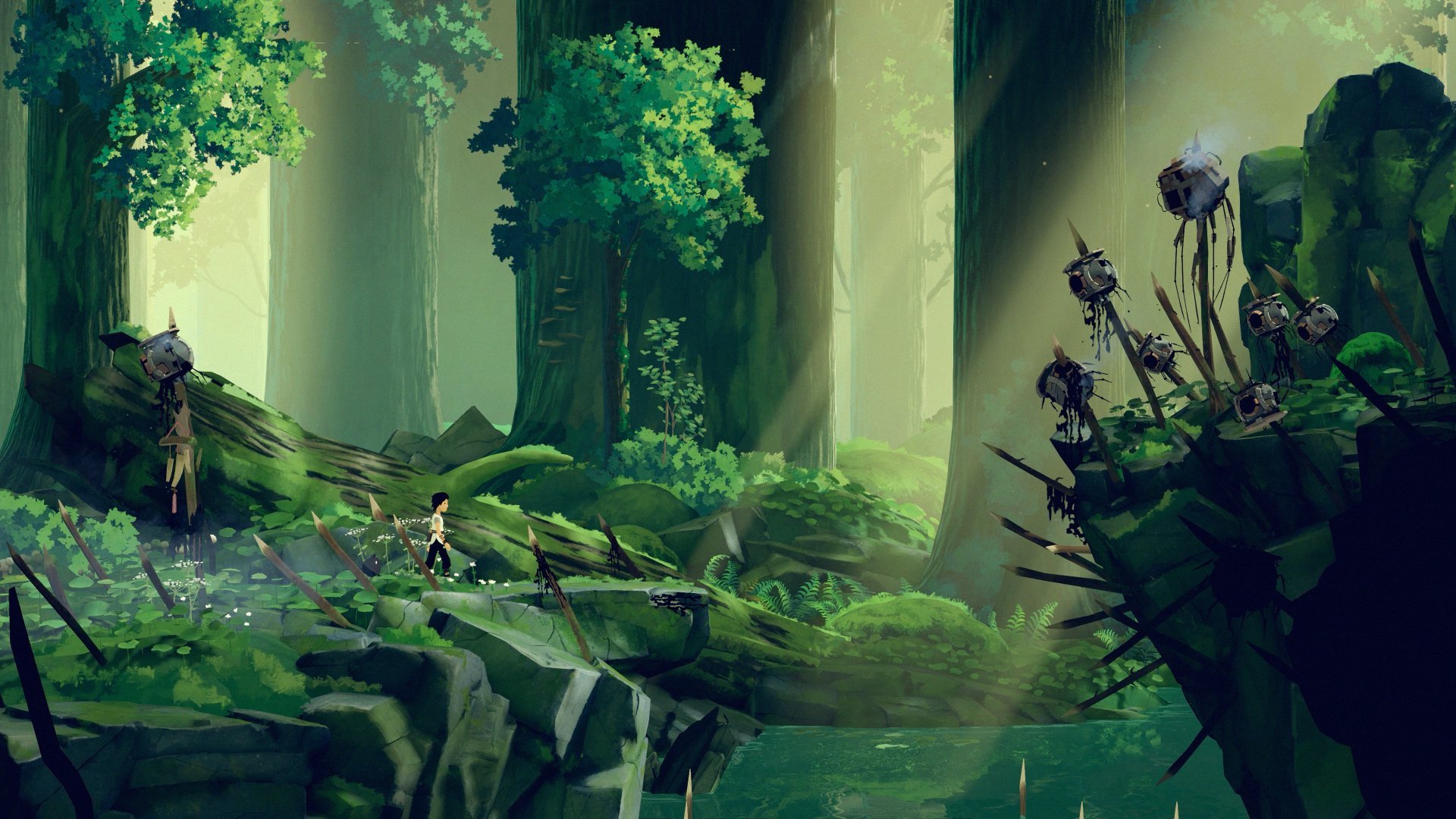
Often I say of these types of games that even action-averse players can handle them, but I don’t think that’s the case here. Not only do you need fairly good reflexes and steady nerves, but this game seems very much designed for those who have already played the first game and are attuned to its very particular requirements. The action isn’t frantic and rarely sustained for long, but brief bouts of it certainly demand more than the average point-and-click. All that said, it can be quite fun! I particularly liked the few chase sequences, which are more high-intensity than high-speed, requiring you to keep moving rather than perform great feats of athleticism to survive. When you do die, in these set pieces or elsewhere, you’re simply revived at the nearest automatic checkpoint to try again. Stealth sections, thankfully, are limited to hiding in safe spots mainly to think, not creep your way out of trouble.
There’s no inventory and not much in the way of conventional puzzles in Planet of Lana II. In fact, probably less than in the first game, the only one really being a music puzzle (with accompanying visible clues). That doesn’t mean the game is a breeze, though. Certain rooms will have you plotting how to guide a mechanized crate, which will slide to the nearest obstruction when charged, to its designated receptor using both vertical lifts and horizontal platforms, for example. You may need to construct a path of electrified steel beams or collect scattered magnetic blocks and align their symbols in place as indicated somewhere nearby. The actual planning part of these tasks shouldn’t stump you for too long, but enough to make most of the challenges of executing them worthwhile. I have to say “most” because at least one is so finicky that I had to look up a solution, only to realize I had it right all along but failed to align something so precisely that the game would accept it.
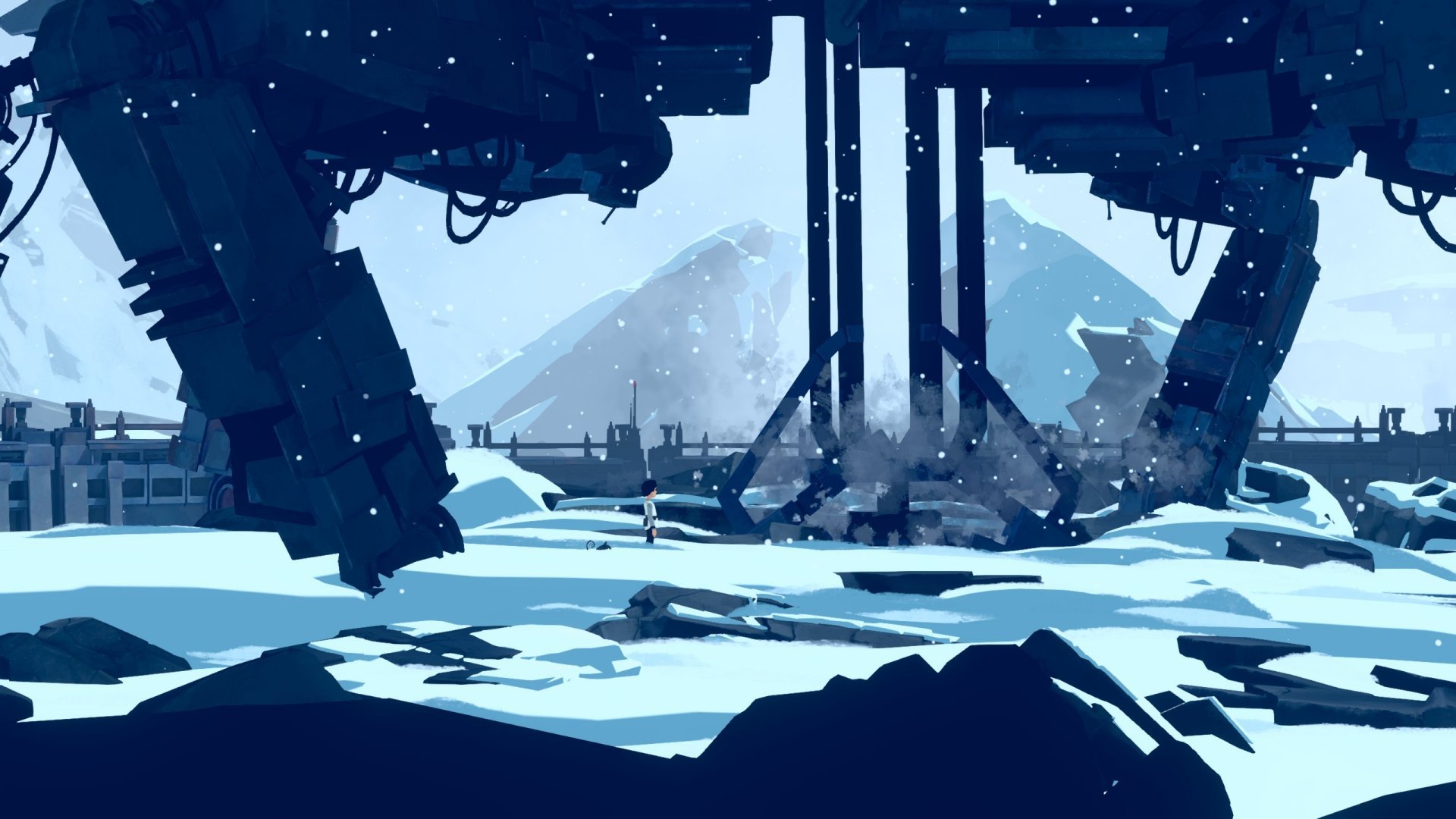
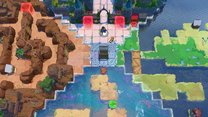
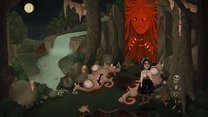
All this traversing about will take you to both new and familiar places on Novo. They’re all gorgeous in the same Ghibli-inspired art style, from quaint fishing villages to snowy mountain peaks; from lush jungles to tropical beach islands. And that’s only on land; underwater you’ll descend from vibrant shallow reefs to the murky depths in a piloted submersible. The vivid colours pop when the sun is out, replaced by deep moody blues when day gives way to night. It’s a shame, then, that so much time is spent underground in dark caves, exploring the heavily fortified bases of the miners, or wandering junkyard wastelands of mechanical wreckage from the earlier invasion. It’s still beautifully presented, just not nearly as scenic.
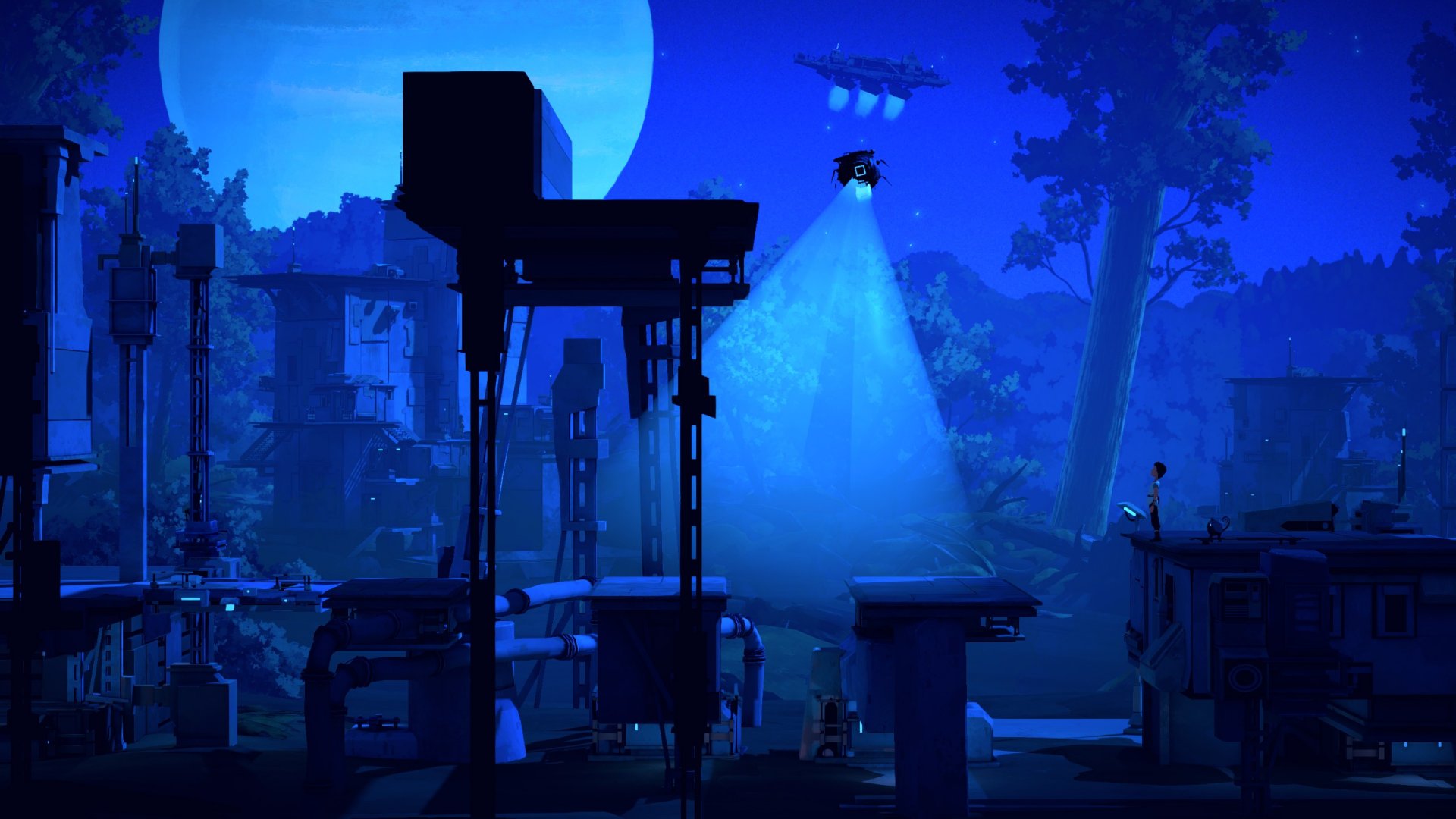
As good as this all looks, it sounds even better. Music doesn’t always play, often allowing the ambient effects of howling wind, whirring machinery or chittering unseen wildlife to fill the silence. But when the score does kick in, it’s absolutely wonderful and comprises a wide range of styles and tempos, from sweeping strings to moody brass, tribal percussion, choir vocals and more. For returning fans, the Close Encounters-like theme associated with Mui and the history of this planet will feel instantly familiar and begin to build some narrative meaning behind it.
Unfortunately, the story of Planet of Lana II is where the journey starts to stumble, just as it did in the first game. It’s not for lack of effort, as the developers have attempted to bridge the gap between Novo’s secret history and Mui’s, even going so far as to introduce brief playable flashbacks for Mui alone. These are welcome, but they're shoehorned in and didn’t particularly help me relate to him any better, as he’s largely a secondary character in someone else’s story there too. Instead we’re asked to feel for people we’ve never met before and never will again before getting back to people we actually do care about.
But here, too, the narrative is completely unfocused. While the first game neglected the missing sister much of the time, here it’s the ailing young child that is shunted to the background for so long that – without spoiler – Lana herself forgets all about healing her right when it’s most crucial that she remember. Saving the child is simply a MacGuffin; an excuse to go off on a fetch quest for three far-flung items, which robs the inevitable cutscenes of almost all their intended emotional impact. Similarly, for reasons entirely unclear, Lana later befriends a boy from another village who accompanies her for a while, does nothing to assist her, and then is left behind for good. Even the whole “consequences of exploiting natural resources” angle is little more than a backdrop.
It doesn’t help that the game features only the same made-up language as the original. I quite enjoy narratives that rely more on showing than telling, but strangely, the people here do a surprising amount of talking anyway during non-interactive cutscenes, as if to make up for a backstory that isn’t particularly impactful otherwise. Your journal offers no insights either, storing only the same drawings and murals seen in your travels, along with collectible “secrets” (jigsaw-like paper scraps that I didn’t come close to completing) and a list of objectives, though the game is so linear that you’ll never need to refer to the latter.
Ultimately, the real heart of the game once again comes down to Lana and Mui, but instead of building on that relationship more than before, it seems even less important in the sequel. Mui is still entirely delightful as a travel companion, and his coos are as cute as ever, which will probably encourage an optional pat or two. But outside of one dramatic example (which inexplicably cuts itself short at its most poignant point), little is done to foster the dynamic between the two protagonists. In the first game, at least you were meant to feel highly protective of Mui as you were responsible for getting him past the same dangers as Lana, but here he’s pretty much entirely capable of doing so on his own. His safety is still paramount – he dies, you die – but several times I found myself wondering how I’d be able to get him back to me, only to have him scamper his way back all on his lonesome, completely unscathed.
Final Verdict
Don’t get me wrong; the story of Planet of Lana (both games) certainly isn’t a bad one. It’s just disjointed and unfocused, and ultimately doesn’t seem sure what it’s actually about. Personally, I think Children of the Leaf would have been better off devoted entirely to uncovering Mui’s past instead of playing it so safe. As it is, this is another solid puzzle-platforming experience that fans of the first game should enjoy just as much, with an expanded scope and more involved mechanics that lead to an increased playing time. (It took me eight hours all told.) And boy is it pretty, to both look at and listen to. I’d have liked to see better cohesion between its disparate parts, but perhaps that will come in the next game, which the cliffhanger-ish ending here seems all but certain to guarantee. I will gladly play it when it comes – not for a narrative that still leaves me feeling indifferent rather than eager to know more, but for the promise of more actiony-adventures of Lana and Mui, which still have a world of untapped potential left to fulfill.
Hot take
The equally stunning sequel to Planet of Lana takes the series a few steps forward, a few steps back, finishing largely where it started.
Pros
- Gorgeous art and animation with new biomes to explore
- Outstanding musical score with wide-ranging tones and styles
- More and/or enhanced abilities for both characters
- Another solid mix of platforming and environmental puzzling
Cons
- Urgent primary premise once again ignored for long stretches
- Muddled storylines are poorly paced and obtusely told
- Larger set pieces and mechanics are really just more cumbersome
Jack played Planet of Lana II: Children of the Leaf on PC using a review code provided by the game's publisher.

- Advertisement
- Help support AGH by advertising with us



1 Comment
Want to join the discussion? Leave a comment as guest, sign in or register in our forums.
Excellent review. I totally agree that the story wasn't developed enough. The ending felt like a 'shock' reveal which you knew was coming (so it wasn't shocking at all) and the game expected you to piece everything together to figure out what was going on. I hadn't played the first game for years so there's no way I was going to recall what happened without at least a recap.
Reply
Leave a comment