
The Sinking City 2 review
- 2 Comments

Frogwares’ much-improved pseudo-prequel is awash in rich Lovecraftian survival horror
Note: Since time of writing, an update has been released that provides "Combat and Encounter Rebalance" to make the most difficult battles more manageable.
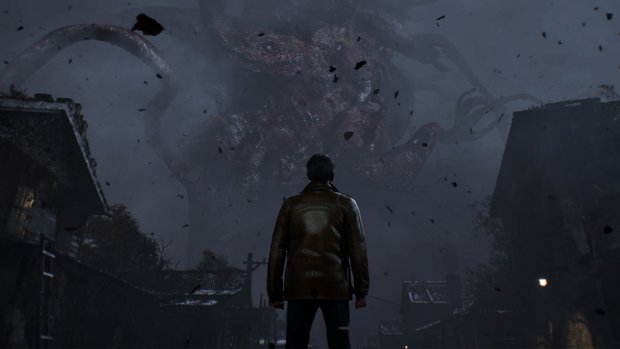
Sometimes it pays to hit the reset button and go back to the drawing board. True, there’s no guarantee of a better outcome, but a fresh take may just be what the doctor ordered. This certainly seems to be the case with Frogwares’ Sinking City franchise, whose latest installment can safely celebrate a mark in the “better the second time around” column. While the series’ first outing – a city-wide investigation that focused first and foremost on detective work with a healthy dash of action combat – was by no means broken, the sophomore entry works even better. With slight but important tweaks in several key areas, The Sinking City 2 steers squarely into the realm of classic survival horror drenched in eldritch themes and Lovecraftian lore, with several supernatural mysteries thrown in for good measure. It’s even less of an “adventure game” than its predecessor but it’s all the better for it, instead providing a tense, white-knuckle thrill ride that caters to horror enthusiasts and casual fans alike.
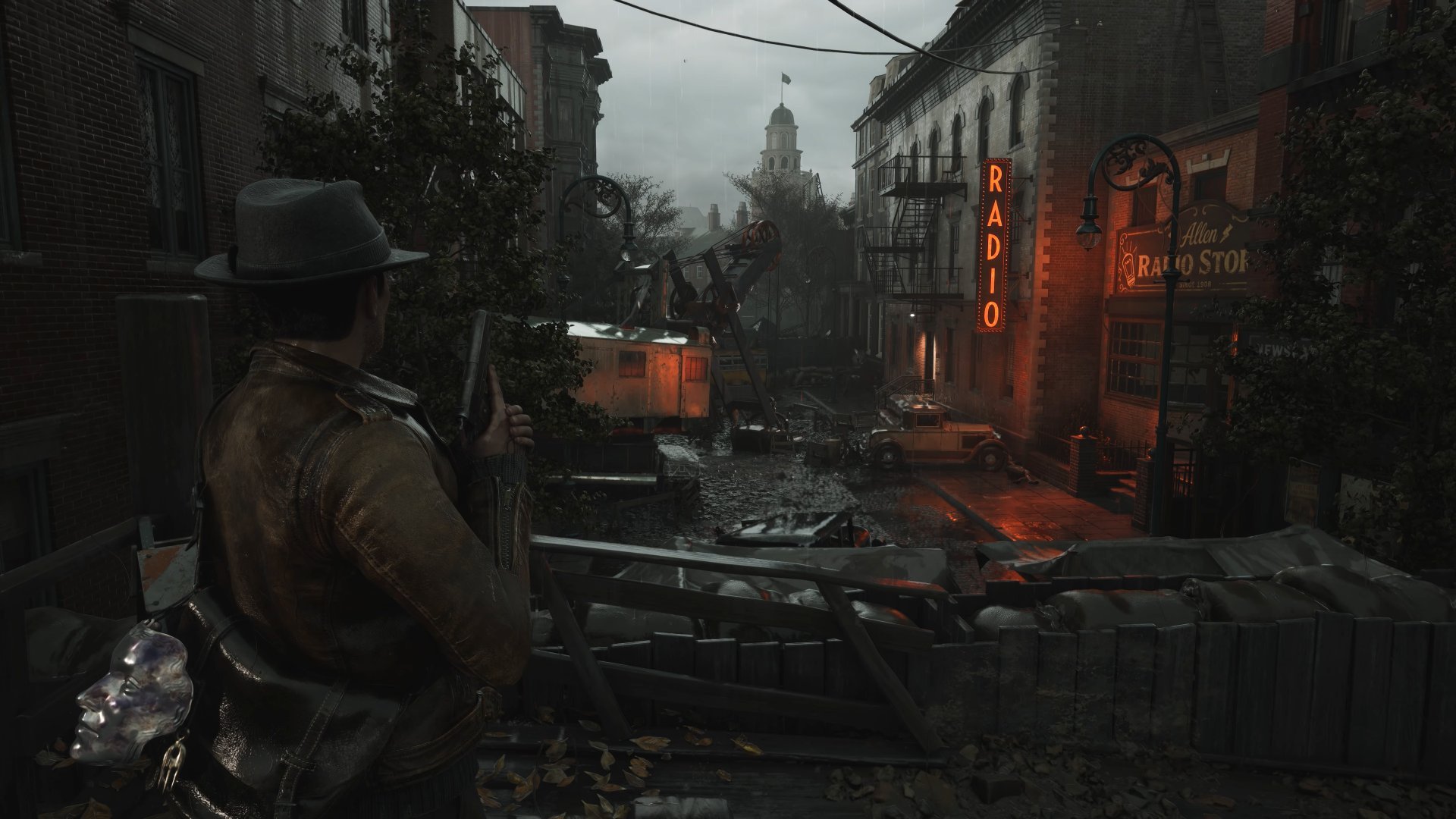
The Sinking City 2 is set prior to the events of the first game, though it’s not a direct prequel. It is intended rather as a standalone tale that, at most, serves to fill in some missing backstory. This time around, you’ll be trawling the roads and buildings of 1920s Arkham, which has very recently begun experiencing a supernatural flood that has turned its streets into canals and has forced locals with any means whatsoever to flee before bad turns to worse. If that sounds familiar, it’s because thematically the two games are similar enough that it’s easy to forget that they take place in two different cities and feature unrelated protagonists.
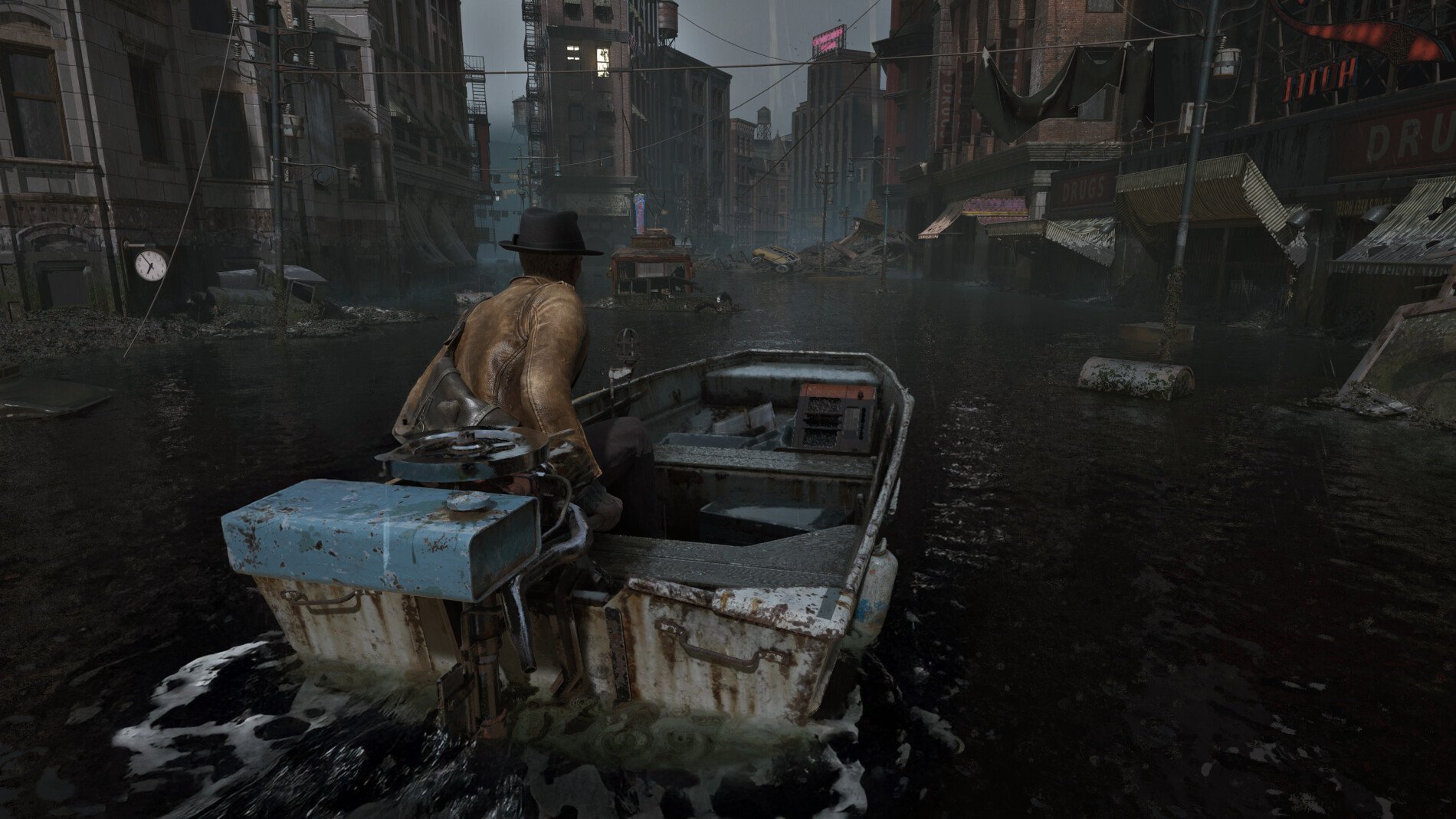
Among the remaining Arkhamites still holding down the fort is the playable character Calvin Rafferty – Cal, to his friends – who’s got good reason to stay. Faye, the love of his life, is currently in an inexplicable unconscious state, caused by the couple dabbling with supernatural forces beyond their understanding. (The full story behind this is slowly revealed over the course of the game.) Now Cal spends his days tending to the unconscious Faye while scouring the city for any means to reverse her condition. And, as the game opens, he seems to have found one: The Book of Dreaming is a mysterious relic housed at the nearby Miskatonic University, and it’s now your task to steer Cal’s boat through Arkham’s flooded streets, retrieve the book, and escape the city with Faye before it’s too late.
Needless to say, things don’t quite go as planned. Saving Faye with the Book of Dreams turns out to be a little more complicated than Cal anticipated. (For starters, he can’t even read the language it’s written in.) You’re soon forced to leave behind the world of rational sanity as you chase dark cults and the beings they serve through Arkham’s darkest dens, squaring off with vicious creatures and twisted abominations galore. By the time the credits roll, you’ll have gone toe-to-toe with cosmic horrors and eldritch fiends, and in the process have even lifted the veil of what’s behind the unnatural flood that gives the series its namesake.
Actually getting around the flooded Arkham is a relatively pain-free process. Whereas the previous game incorporated its city’s water-logged streets as a navigation puzzle to be solved, the sequel treats this as a very straightforward process. Right from the start, you’ll have access to Cal’s little motorboat (and others, soon after), and motoring through the streets is as simple as holding a key or controller button for acceleration and steering.
The route is almost entirely linear this time, too, with debris blocking side streets to keep you on a straight path to your objective. Occasionally you’ll need to raise a floodgate blocking the way, forcing you to dock and complete some sort of task: fix a blown fuse, find a key, work out a number code – standard survival horror stuff. Of course, the items you need will be locked up in a defiled church, stashed in a burning building, or lie hidden in a mausoleum inside a sunken graveyard. In between you’ll only be spritzing around in your boat for brief stretches, and less and less as the game goes on.
While The Sinking City 2 shares the same basic conceit as its predecessor, playing it feels like quite a different experience. The gameplay pendulum here swings far more toward its baked-in horror aspects, with the detective work an optional, if enjoyable, side activity for those who wish to seek it out. Though both games essentially give you a gun and tell you to shoot the creatures coming at you, it feels a good bit more tense in the sequel, with tighter quarters and a far more stressful atmosphere that really amps up the intensity.
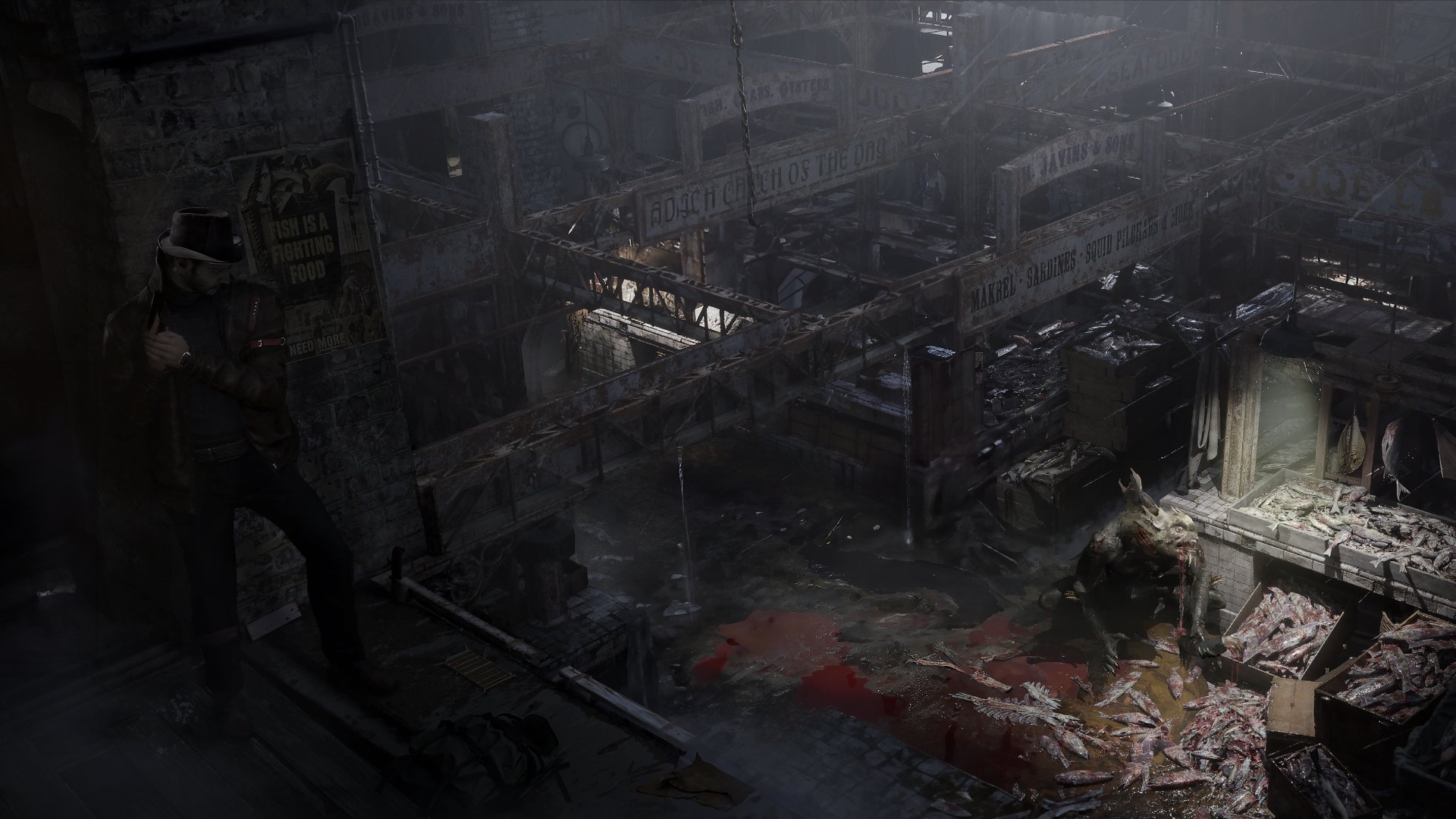
But it’s not just the enemies you’ll face that noticeably dial up the horror. The city never feels safe, as everywhere you go is another case of “out of the frying pan and into the fire.” Arriving at the posh Devil’s Reef Hotel, you’ll find the fresh corpses of fanatics who gleefully savaged each other moments ago in a brutal murder game. While the watery Miskatonic University library should be abandoned, strung-up bodies and faint echoes of distant steps tell a different story. Akeley Memorial Hospital, a safe haven for refugees fleeing from the flood, is now a house of horrors that forces you to find and collect the skinned faces of its former staff to unlock its doors and gain access to its wings. Then there is the notorious fish market, once home to Arkham’s most murderous crime syndicates, where ghastly abominations risen from the deep now stalk the stalls and something even more sinister slumbers down in the building’s frozen basement catacombs.
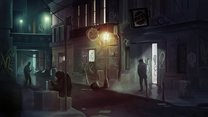
The flooded city has been meticulously designed to maximize your time in its most uncomfortable, dark, and spooky places, but even when outdoors it is a cheerless place of death, with reminders of the calamity that befell it every which way you turn. It helps that the game looks fantastic, with detailed touches all over: suitcases and trunks piled haphazardly on a pier where citizens waited (in vain) for rescue, a barge floating along, empty and abandoned, still festooned with drooping banners proclaiming jovial end-of-the-world revelry. You won’t run into many other living Arkhamites, which is probably a good thing, with human character models, particularly Cal’s somewhat off-putting mug, often looking decidedly last-gen in an otherwise strong graphical presentation.
An equally strong sound design does plenty of heavy lifting in creating dread and atmosphere. Take, for example, the game’s very opening, after Cal leaves Faye’s bedside. Although we don’t get to see them, we certainly hear other local residents as they prepare to leave their lives behind (or stubbornly refuse to abandon their flooding homes). As air raid sirens split the air, I was reminded of the very real horror the Ukrainian developers themselves faced during this game’s creation as their own cities and homes were razed to the ground. This occurring mere moments after a solemn message from the developers addressing the war still raging in their country played across the screen is surely no coincidence.
The sound design continues to add uneasiness to the proceedings throughout, such as the shrill, unending ringing of a fire station’s alarm bell as you’re sneaking through it (and the deafening silence once it’s finally turned off), or your late-game visit to the fish market as a storm at first brews and then unleashes its fury, making the building shudder and windows rattle from the onslaught. Actual music, however, is almost entirely absent, leaving you to desperately strain your ears to catch hints of approaching danger in the threatening quiet.
The Sinking City 2
| Genre: | Horror, Thriller |
|---|---|
| Presentation: | Realtime 3D |
| Theme: | Crime solving, Monsters, Nature |
| Perspective: | Third-Person |
| Graphic Style: | Photorealism |
| Gameplay: | Action-Adventure, Survival |
| Control: | Direct Control |
| Game Length: | Long (more than 10 hours) |
| Action: | Combat |
| Difficulty: | Medium |
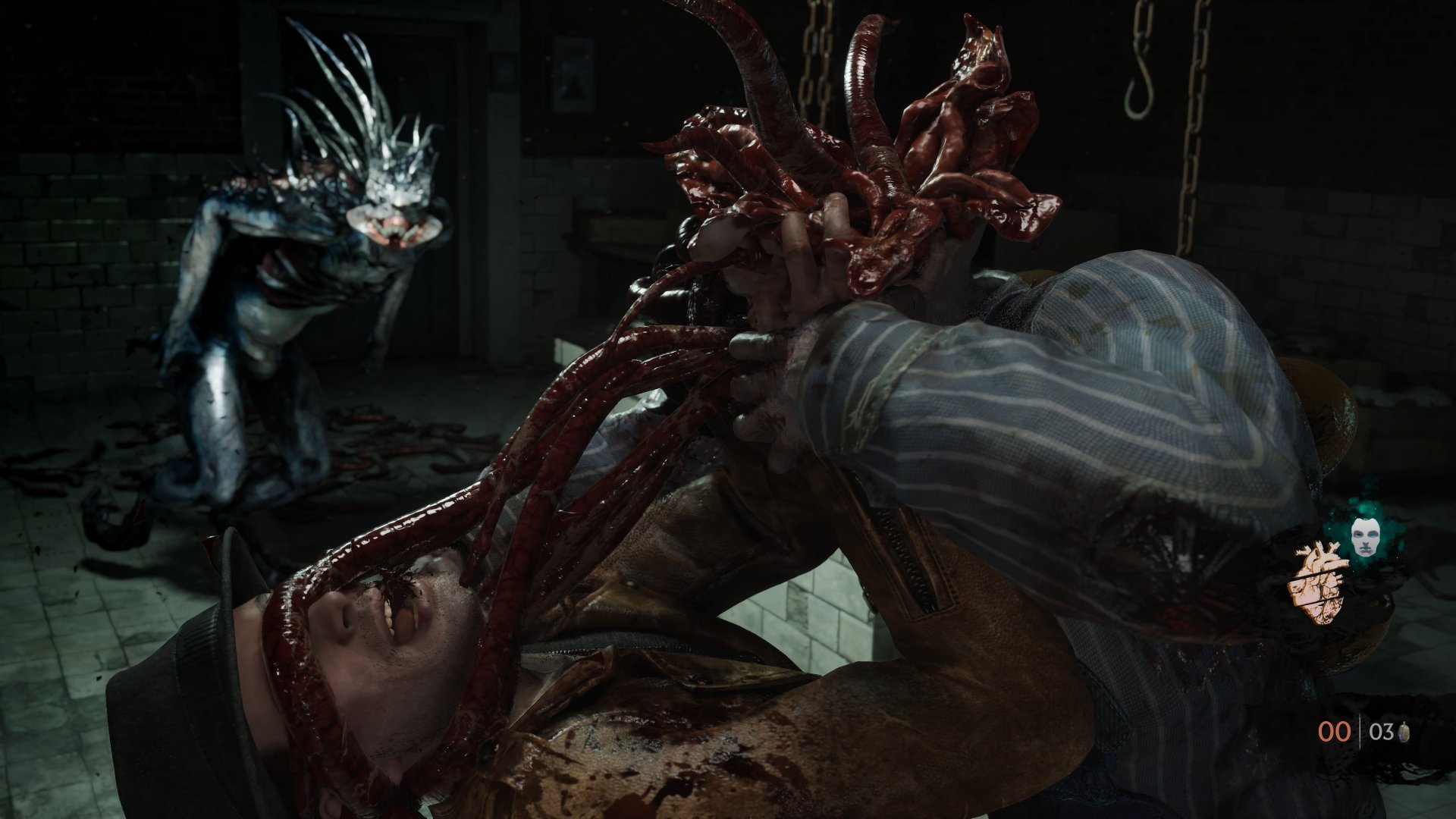
Your journey is made all the more hazardous by a variety of foes, all intent on cutting your life short in brutal and horrific ways. One of the most common are the Slither, the reanimated corpses of Cal’s fellow Arkhamites, infested and made mobile again by scores of slimy, slithering worms that have appeared everywhere in the wake of the flood. Though once human, the Slither are a grotesque enemy that shambles and staggers toward you with jerky, unpredictable movements that make them difficult to take down. You’ll soon notice that headshots don’t do a whole lot of good, so you’ll need to dodge away from the Slither until you can take aim at one of the telltale pustules that erupt from their bodies, the quickest way to excise the worm infestation and bring rest to these poor souls. It’s as graphic as it sounds, making The Sinking City 2 at times quite a visceral experience.
The Slither are just the tip of the iceberg, with several other eldritch creatures appearing throughout the game, each more threatening and disturbing than the last. Small, four-legged spider-like vermin scuttle from the shadows, then launch themselves at you to inflict damage. In stark contrast, hulking mountains of flesh and muscle will bulldoze toward you, multiple sets of arms and appendages flailing wildly, or simply pelt you with noxious regurgitation that makes the very ground you’re standing on harmful to you. Finally, a number of unique encounters feature creatures that dip even deeper into Lovecraft’s gallery of the grotesque. You’ll even come face to face with some Great Old Ones whose names will be immediately familiar to fans of his works.
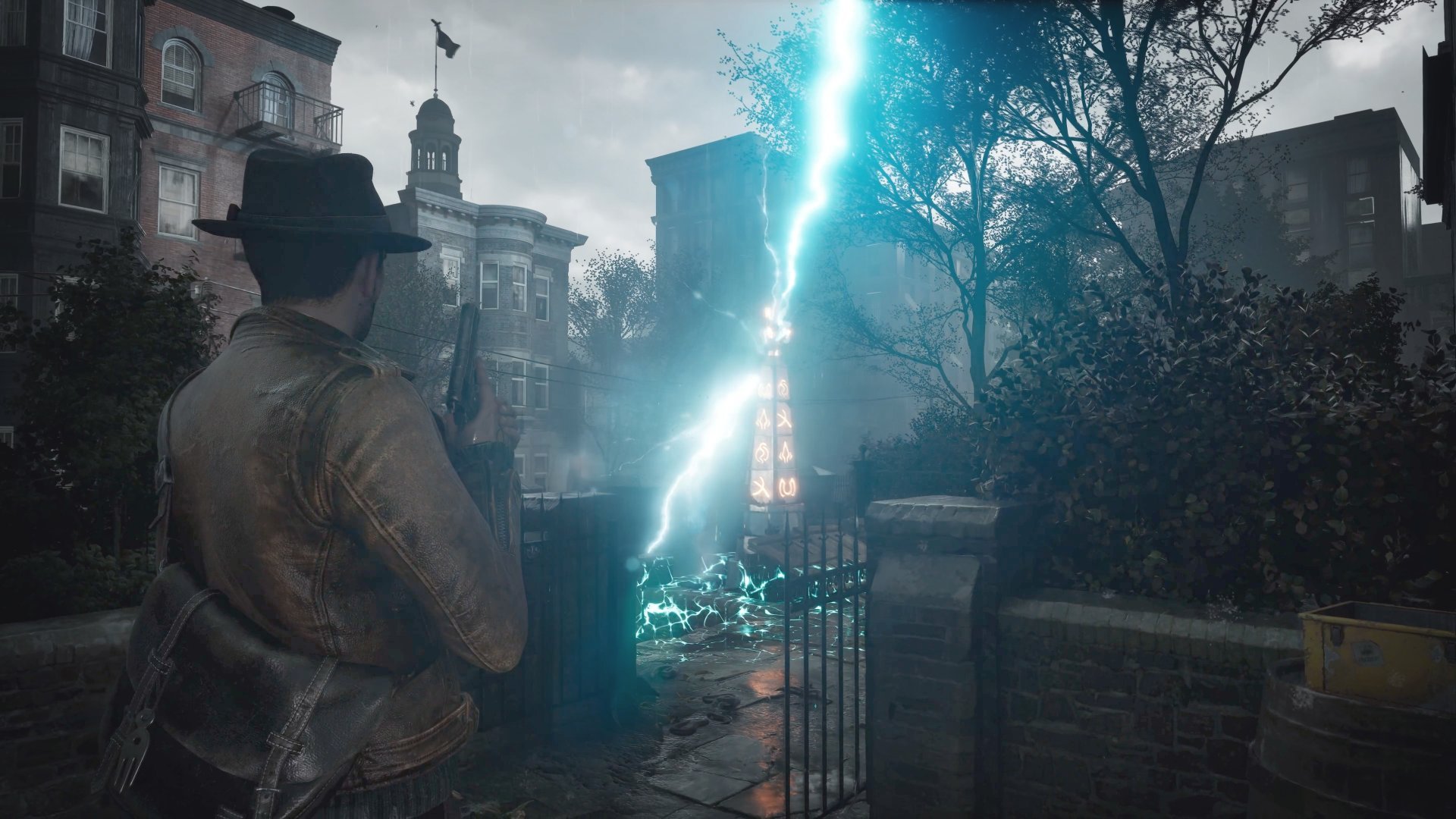
To keep things from descending into all-out action frenzy, The Sinking City 2 wholeheartedly embraces the “survival” aspects of its survival horror. On default difficulty, health items and ammo are in quite limited supply, despite the fact that you can craft ammo yourself. Doing so, however, requires first collecting several ingredients, which puts a further strain on your already-at-a-premium inventory space. Carrying a weapon (or two, to have a backup when ammo runs out), a few bullets, a healing item, and one or two crafting materials will often strain your available space, particularly early on, before you’ve expanded your inventory a bit over the course of the game’s ten-to-twelve-hour campaign.
Even with quite a bit of survival horror experience under my belt, I struggled both with running out of items when I needed them the most and always seeming to be too short on space to pick up stuff I required. More than once, I found myself mid-fight suddenly having no choice but to make a break for it, as the limited melee options seem designed more to complement your arsenal rather than replace it. Thankfully, you are pretty adept at dodging, and enemies aren’t the best at giving chase.
Even outside of the resources it eats up, combat tends to be enjoyably stressful, as long as the game plays to its own strengths. Taking on one or two enemies is more than doable, but as soon as you are faced with larger groups the equation shifts. The over-the-shoulder camera is zoomed in fairly close, making your field of view somewhat narrow. Coupled with a rather slow aim speed while looking down your sights (though this can be adjusted in the options menu, which also provides an optional aim assist toggle) and the monsters’ tendency to move erratically, even routine encounters can easily spell disaster.
There are also some set piece combat encounters that act as area boss fights in which you must hold your own against overwhelming numbers, typically against creatures that continually respawn until you’ve accomplished an additional feat, like recharging a Leyden jar or powering a crane until it deposits its cargo into your boat. These sections could easily require multiple attempts, but the developers at least had the foresight to scatter magically refilling item containers around these combat arenas so you won’t run out of ammo in the middle of battle. If and when you do die, however, you’ll need to resume your game from the last time you visited one of the dedicated safe rooms to cash in your skill points, lighten your inventory load, and record your progress.
If all of this sounds too stressful to you, fret not: there are a variety of modifiers available. The game’s overall difficulty can be raised or lowered, including a Story Mode if you want the odds more in your favor. And for those who really don’t enjoy living on the edge, the easiest mode adds extra toggles that allow you to take damage but without ever dying, or simply make you entirely invulnerable.
Puzzles, too, can be slightly adjusted to match your play style, enabling optional hints or taking all safety rails away completely. Puzzle solving takes place on a highly simplified version of the deduction board we’ve seen in many other Frogwares games before. Here, though, it’s not so much a board for reaching conclusions, but rather a virtual space where you must arrange and group related clues found during your exploration. Each time a group is correctly completed, you’ll gain some bonus upgrade points, which in turn are used to unlock passive skills that enhance your combat prowess. Actually solving the puzzles, though, is still entirely up to you, such as sussing out safe combinations by interpreting song lyrics or noticing visual clues in the environments.
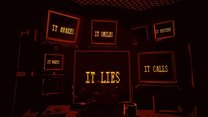
The most enjoyable puzzle types, though, are the completely optional detours included in each chapter that see you deep-dive into a particular piece of Lovecraftian lore. While investigating an abandoned church, you’ll run across clues pointing to a cult worshipping a Great Old One, and during your stay at Akeley Memorial, you’ll inevitably stumble across broadcasts referencing an enigmatic group known as The Timeless Dawn. While not required for progression, these and other mysteries often yield valuable rewards like upgrade materials and resources, and are just plain fun. They provide interesting forays into Lovecraft’s literary universe beyond what’s included in the main campaign, and even an extra conundrum or two along the way, like a morbid twist on the classic “spot the liar” riddle where your suspects are three brains suspended in jars.
The story itself is decent enough, though the horror and thrill of exploring the world account for the lion’s share of the experience. As you progress, you’ll find many Lovecraftian references and Easter eggs seeded throughout, from direct appearances of certain creatures during the main plot to more obscure mentions on maps and in notes that that will tickle the Lovecraft enthusiasts in the crowd. Those who delve into all the optional journal entries and letters will unearth a satisfying amount of Lovecraft goodness. There are even collectible radio broadcasts in which host “Mushroom Jack” tells macabre tales ripped right out of the author’s writings.
Anyone eager to replay the game after the credits have rolled will be able to keep their unlocked skills and purchase special items or rewards, like starting the game with powerful late-game weapons or having unlimited ammo (along with less useful bonuses like colored flashlight filters). There are also a handful of additional written pages scattered throughout the world that lay bare even more background behind some of our principal players, though I scratched my head wondering why these are gated behind a second playthrough.
Final Verdict
The Sinking City 2 is a strong example of a developer not playing it safe but rather refining and refreshing what worked previously with a new approach. Dialing up the scary elements really works well given the palpable atmosphere of dread on offer here, the cosmic otherness of it all, making it a great interactive expression of the Lovecraftian mythos. Better yet, the game is suitable for all comers, serving well as a standalone entry or a prequel, with plenty of difficulty options to ensure everyone will get their money’s worth. I adore a good survival horror experience, and Frogwares has delivered in spades, crafting a tense, lore-rich horror romp that is sure to please fans of the genre and the author that inspired it.
Hot take
Not content with simply treading water, Frogwares has resurfaced with The Sinking City 2, a prequel that’s equal parts edge-of-your-seat survival horror and Lovecraftian mystery, making for a much-improved sophomore series outing.
Pros
- Stress aplenty for survival horror purists, while non-thrill-seekers have player-friendly customization options
- Locations are varied, memorable, and scary as heck
- Drenched in Lovecraftian lore
- Arkham is brought meticulously to life with great atmospheric presentation value
Cons
- Limited inventory and combat system make it a struggle to effectively deal with overwhelming odds
Pascal played The Sinking City 2 on PlayStation 5 using a review code provided by the game's publisher.

- Advertisement
- Help support AGH by advertising with us

2 Comments
Want to join the discussion? Leave a comment as guest, sign in or register in our forums.
This is a Great review, thank you. I have and played Sinking City I definitely liked it. I look forward to Sinking City 2. Thank you again 😁
Reply
Be careful, Sinking City 2 is completely different than first game. Now it is more about survival and shooting. For me it is not adventure game anymore.
Reply
Leave a comment