
Life Is Strange: Reunion review
- 1 Comment

Deck Nine got its act together for a fitting send-off in the satisfying finale of Max and Chloe’s saga
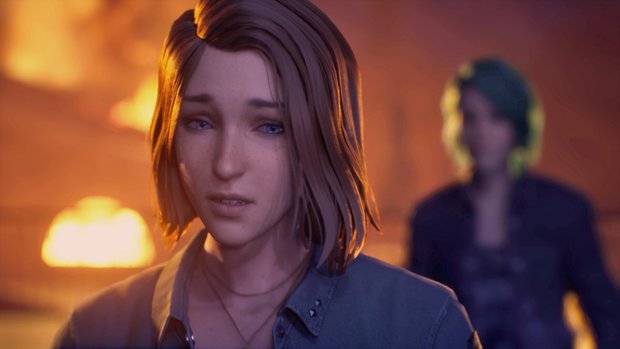
Life Is Strange is a narrative series that has always lived up to its name. There has been a lot of strangeness to go around its several different installments over the years, and the latest, Reunion, doesn’t disappoint in this area. This title continues, and concludes, the story of Max Caulfield and Chloe Price, the main characters in the original game. The story-heavy, gameplay-lite formula is largely unchanged, and as a whole it is worth playing through, despite some minor stumbling blocks. Perhaps just as importantly, what a fitting sendoff it is, as by the end we get closure on what really happened so long ago. The journey of these two young women has been a rollercoaster of emotion, and this ending to the saga may just send tears streaming down your face. It certainly did for me.
Please note: While spoilers have been minimized, it’s impossible to discuss Reunion without some key details revealed about the original Life Is Strange and Double Exposure.
Way back in 2015, we began following a young Max as she discovered she had the power to rewind time, which led to saving the life of her childhood friend Chloe. But the stakes only got higher from there, as by the end of that original game, we had to make a decision whether to rescue one person or the entire town of Arcadia Bay from a not-so-natural temporal related storm that would have destroyed it.
Your choice there carried over to the series’ most recent installment, Double Exposure, as Chloe’s fate in Life Is Strange played a part in Max’s journey ten years later at Caledon University. This game dealt with the aftermath of that decision, with Max becoming a guest lecturer at the college of fine arts due to her accomplishments as a photographer. Shaken by her previous experience and unwilling to use her power to reverse time ever again, Max found herself uncovering a new supernatural ability, allowing her to shift between parallel timelines in an attempt to save her new friend Safi. By the end of Double Exposure, players once again had to make a choice to save someone important or the whole university from yet another vortex.
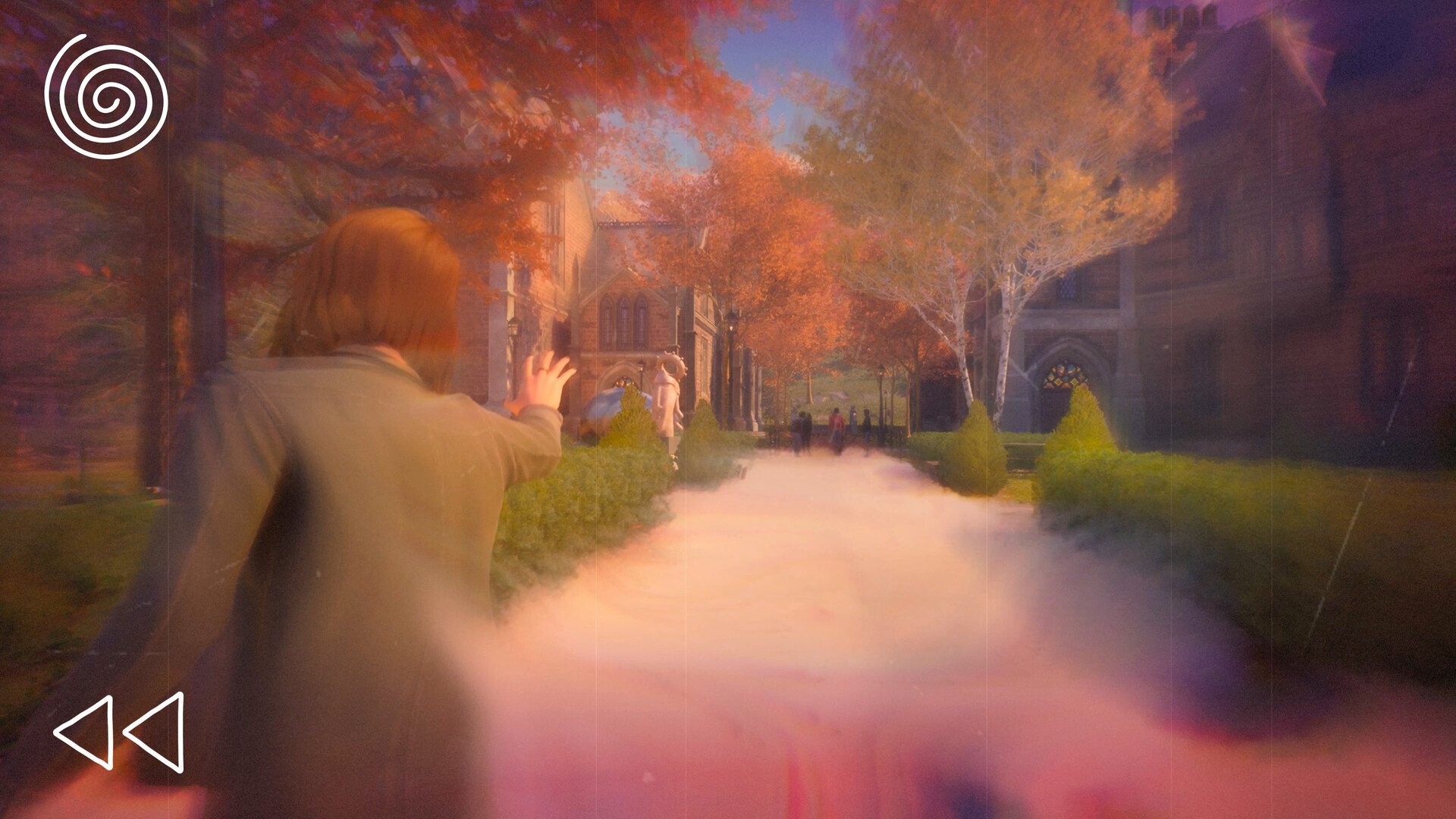
Which brings us to the latest installment, Reunion. This game takes place not long after the vortex that ravaged the town surrounding the campus. Max is now a full teacher at Caledon and has her own classes on photography. Things are looking up until she receives notification that the school is on fire, rushing back only to find that it’s already a raging inferno. Unable to save anyone, she reluctantly embraces her time-rewind power once again, going back two days to try to avoid this catastrophe. Thus begins perhaps our strangest game in the series.
Reunion gets its name from bringing back fan favorite (or at least my favorite) character, Chloe Price. Depending on your choices in the first game, she should be either dead or alive – a Schrödinger’s girl if you will. In this game, regardless of what you decided previously, she’ll be (strangely) alive and Arcadia Bay is safe, a paradox that becomes the other major plot point, and a much more intriguing story than trying to avert the fire. I’ve always found paradoxes and time travel and the merging of timelines to be a fascinating subject, and here the developers treat them as if it is actually happening and not just some throwaway concept to bring Chloe back into Max’s life.
At the beginning of the game, you are asked a series of questions that will affect the way the tale plays out. This includes what happened to Chloe in the first game, who you romanced in the second, and a couple other choices. You can select these yourself or spin the wheel to get a randomized outcome. I remembered my choices from the previous titles, so I made the same ones again.
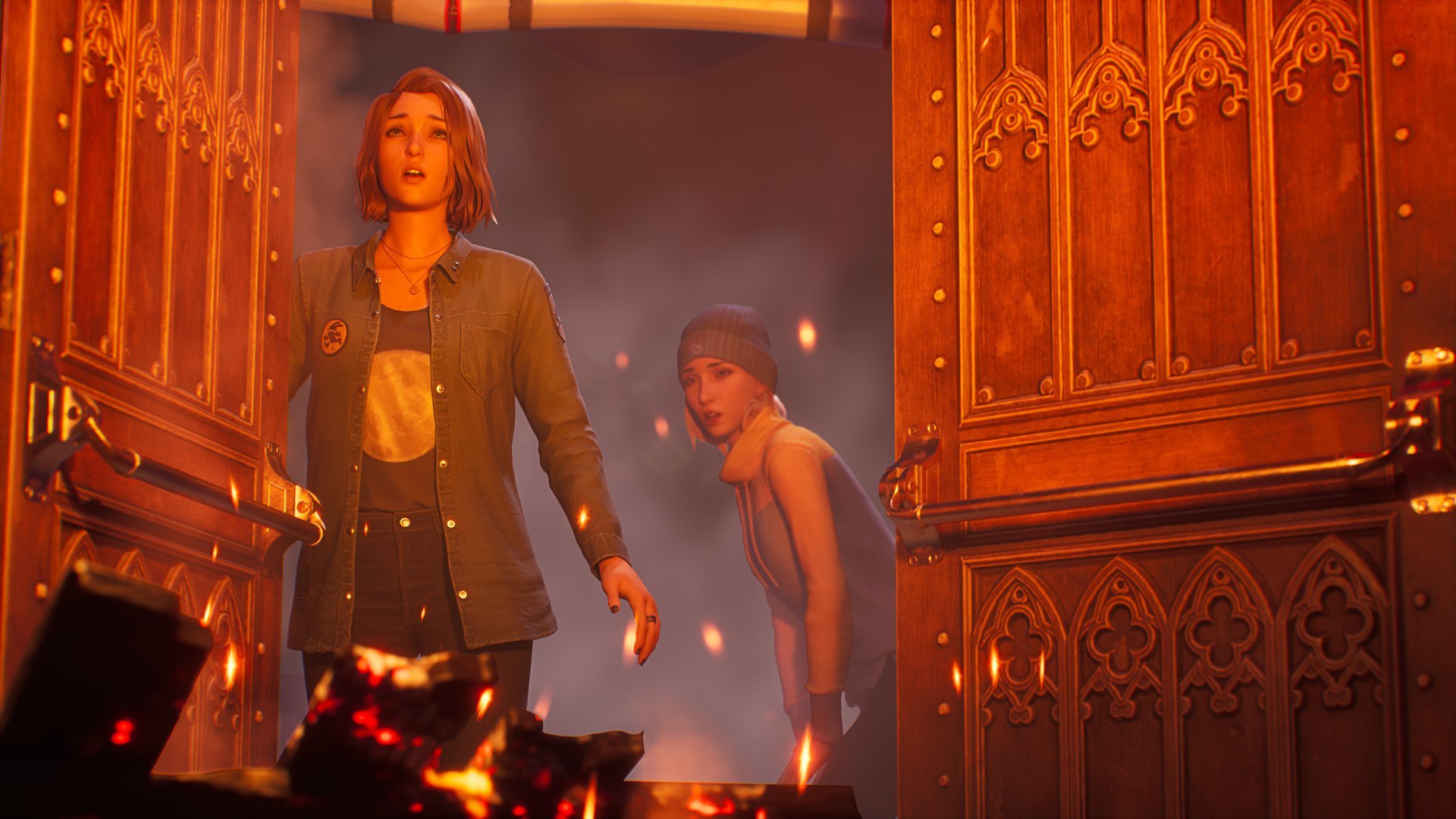
If you never played the previous Max Caulfield games, you really should, as this one will have a much more powerful emotional impact that way. If you did but don’t remember what you decided, you’re in luck. After making your choices, or letting the game pick for you, you’ll be treated to a ten-minute recap video revealing what happened earlier. (This is skippable if you don’t want the recap, which is particularly handy for replays.) Only then does the game start with Max on the road back to Caledon after a weekend away, leading to the events of this tragic weekend.
Reunion, just like all the games in this series, can be played either with a keyboard and mouse or a controller. While I decided to play this one using the former, I have played other titles using a gamepad and they work as smoothly as any other third-person freeform movement game does. You’ll move around using the WASD keys and the mouse to tilt the camera around, holding down Shift to run (which is more of a jog) and left-clicking to interact with objects. Hotspots are highlighted once again with a sort of chalky white outline and a short description that pops up when you get near it.
One of my favorite aspects of this game is that we get to play not only as Max but as Chloe as well. Outside of a brief introduction, we don’t really see our green-haired gal until about three hours in, but she gets a lot of screen time after she meets up with Max. While our time-reversing heroine still has the ability to rewind to her last decision to retry as many times as she wants until she gets the desired outcome, Chloe doesn’t have that luxury. What she says and does sticks. This doesn’t result in failure or cause the game to end, but it can impact the story going forward.
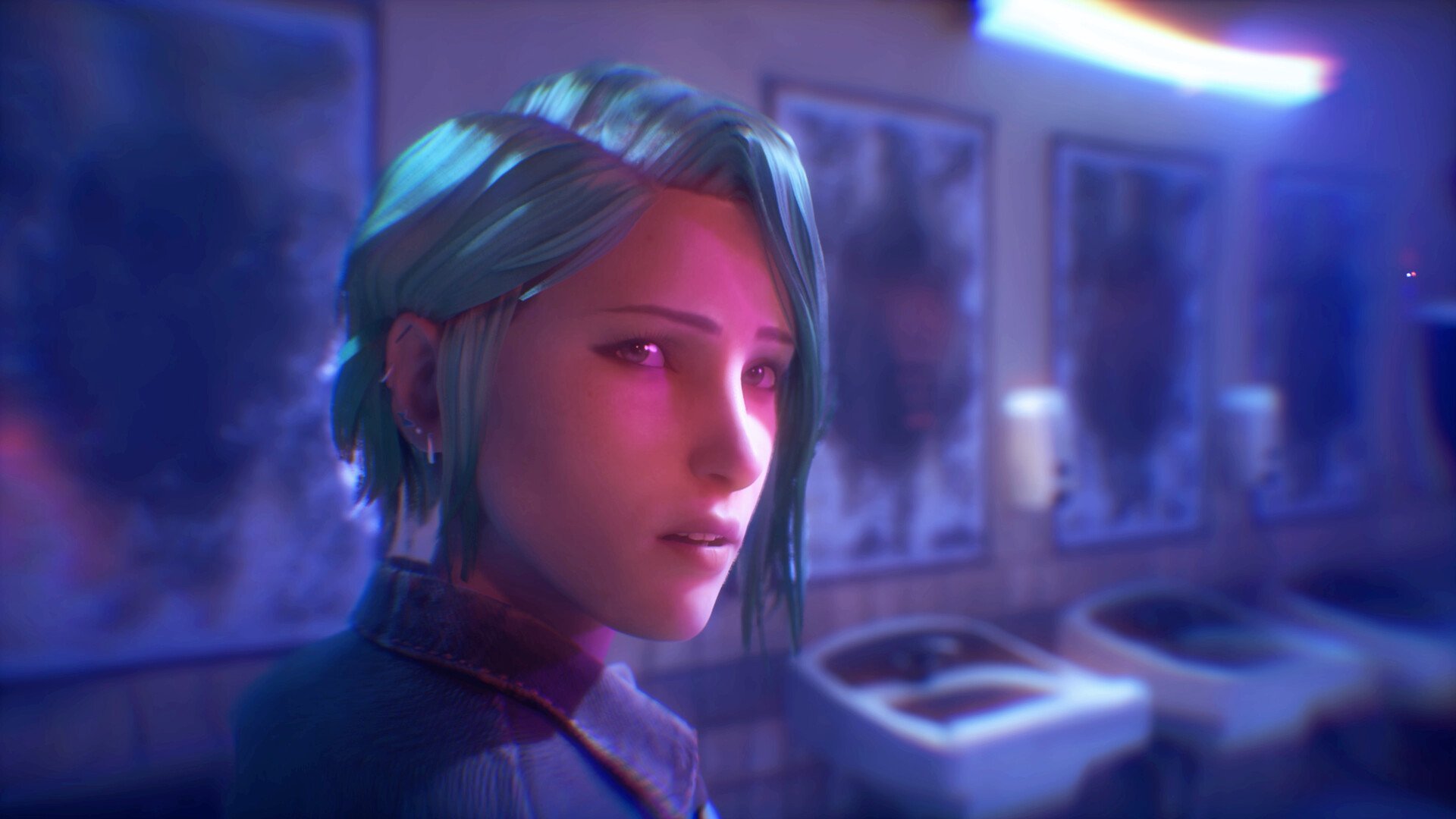
Chloe has a sort of superpower as well, which plays out like a “backtalk” dialog mini-game. This pops up as a mini portrait of her and the person she’s talking to on either side of a number of dots. You’re given a few different options to choose from in conversation to further your goal, but unlike in most adventure game conversations, here there are right and wrong answers. Or at least, successful and unsuccessful ones. When you pick an option from the available choices, it fills in a dot for one person or the other and impacts the outcome of the conversation. If Chloe “wins,” she gets what she wants. If she fails, she doesn’t, and must find another way to progress instead. Either way, the game continues on. I kind of liked this addition as it doesn’t give you a “try until you get it right” scenario as with Max. What happens here has consequences that remain until the end of the game.
As far as plot choices go, the biggest have a major impact when you’re forced to select between two outcomes, just like in the other Life Is Strange games. An example of this that I personally hoped would be included was to either have our two protagonists kiss or hold hands, which helps determine how their relationship ends up by the closing credits. Another involves deciding who you think started the fire, which could potentially have major implications in saving Caledon or dooming it, and who lives and who dies.
Life Is Strange: Reunion
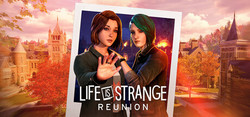
| Genre: | Drama, Science Fiction |
|---|---|
| Presentation: | Realtime 3D |
| Theme: | Savior, Time travel, Relationships |
| Perspective: | Third-Person |
| Control: | Direct Control |
| Game Length: | Long (more than 10 hours) |
| Difficulty: | Low |
| Gameplay: | Choices matter, Narrative |
| Graphic Style: | Simulated realism |
When you talk to other people, you’ll get a close-up of their faces. You can then select dialog options based on what you know or don’t know of events leading up to that point. Again, with Max you can rewind time after figuring out something during the previous conversation. These revelations pop up in the next go-around as underlined topics, which usually advance the story and accomplish what she wants. If there is one thing I found jarring about these close-ups, it’s that facial expressions tend to be overly exaggerated at times. Not a deal-breaker, but once I started noticing this, it became very much apparent.
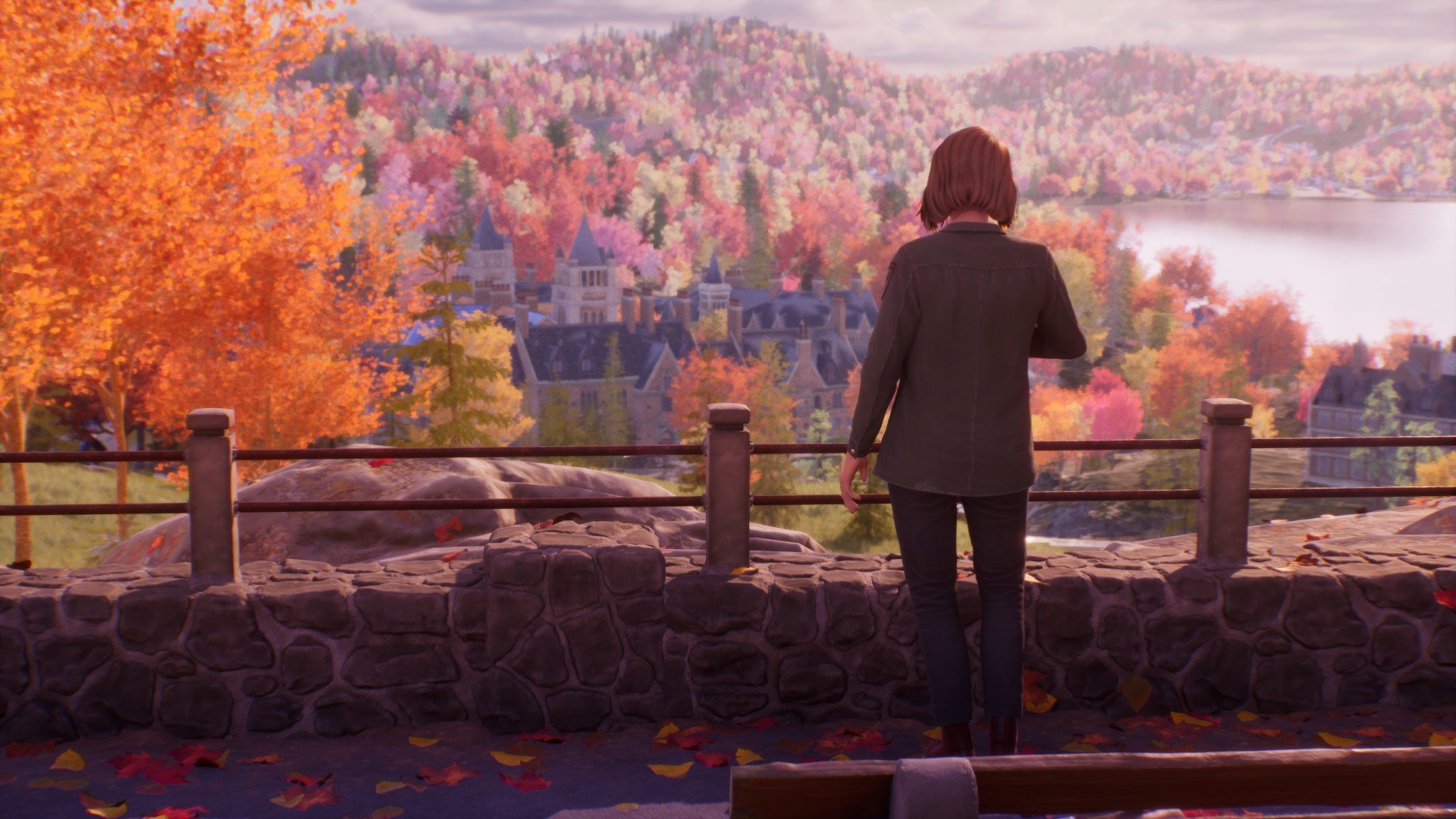
It’s especially noticeable because otherwise Reunion has the most realistic graphics in the series so far. Caledon’s campus, the Snapping Turtle bar, and the university’s planetarium all look like they could have been photographed anywhere near the game’s New England setting. Outside of their expressions, the characters look pretty realistic as well. While not exactly lifelike, it’s close enough to feel like it could have been shot in live action. The many cinematics, small and large, run as smooth as silk, and a lot of them (particularly in the final act) are full of dramatic and emotional moments.
The sound work here is also top-notch. This is a game about relationships, and the audio work reflects this. The voice acting is great, and each character sounds like they look. A couple notable series newcomers are the disgraced professor turned activist Lucas Colmenero and aspiring journalist student Loretta Rice, both of whom have podcasts you can listen to. The background score is just understated enough that it adds to the emotion of the moment without ever becoming bombastic and nerve-wracking. Much of the music is original but some tracks are licensed, particularly during moments of reflection, which have subtitles describing the name and artist of said song.
As with the other Life Is Strange games, this one is very light in the puzzle department. It is foremost a narrative experience, progressed through a combination of dialog options and a liberal use of time reversal. Sometimes foreknowledge is the only way to get people to open up, and certain people in this game dodge quite a few questions.
That said, aside from the many (and I mean many) cutscenes, this game is more than just an interactive movie. When in control of Max and Chloe, you can move around and interact with the environment. You can look at, pick up, and examine objects, some of which don’t further the plot but add some lore to the world these characters inhabit. There are also lots of collectibles to be found. Max, as usual, can snap photographs; Chloe can do the same through sketches; and there are plenty of podcasts accessed via flyers littered around that will prompt the option to “listen.” I liked playing these short pieces of info dumps; of particular note are the Abraxas conspiracy podcast and Lucas’s anti-Caledon rants. These help to flesh out the game world a lot and are well worth taking a couple minutes to listen to.
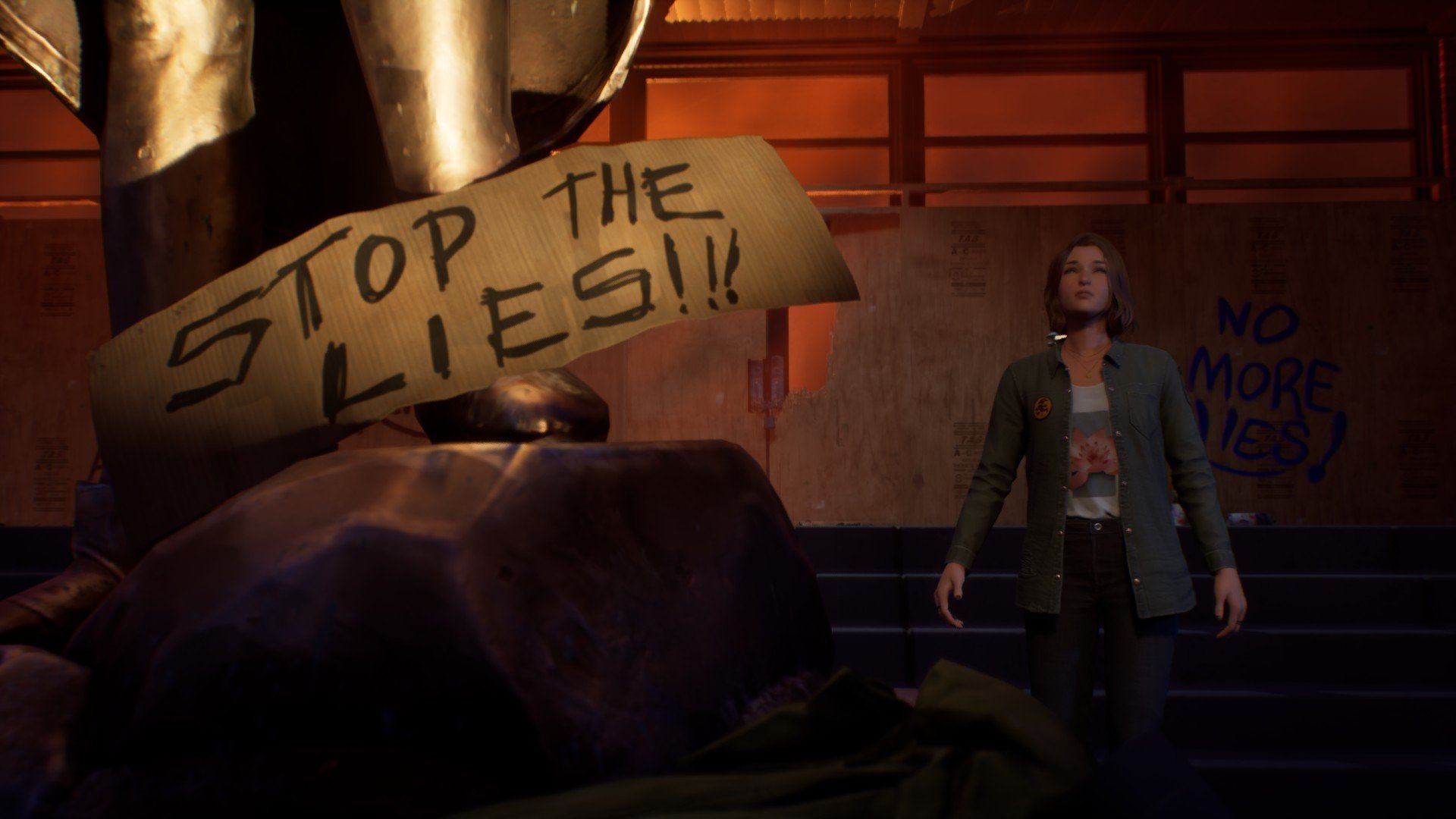
While the overarching plot of trying to figure out who starts the fire on campus and how to prevent it pushes the narrative forward, it’s the personal story of Max and Chloe’s reunion that really gripped me. The relationship between these two has been a personal favorite of mine, and seeing them back together just tugged at my heartstrings. This was especially true because in my playthrough, Chloe had been dead for a decade only to come back to life and into Max’s. Figuring out the science of her unnatural existence, the pair discuss a lot of heavy theories with their good friend Moses about the merging of multiple timelines due to Max messing with the time stream in Double Exposure. I could have had just this and not the catalyst of the fire and still have been happy with the experience.
Of course, both girls have grown up during the decade between the original game and Reunion. Max in particular has matured beyond her high school days and acts as not just a mentor but as a friend to her students. Chloe is as hotheaded and brash as she was before, but even then, there’s a maturity that only a decade of paradoxical experience underlines. I loved their relationship in the first title, but here it really hit home how much I wanted them to be together by the game’s end. Throughout the game, I could see them drawing closer even without my prodding. They went through a whole lot together (and apart) and it shows here in an emotionally poignant way.
There is a third plot revolving around Abraxas, a secret society introduced in the previous game. While I thought it a harmless “college club” or fraternity of sorts, in Reunion there’s a lot more going on, including occult rituals and cover-ups. Even this story is more interesting than trying to avert the raging inferno. That’s not to say that the fire isn’t a driving factor, but the subplots are where the more interesting things happen.
Playing the game took me about ten hours, but that’s only once and maybe half of all available collectibles. With high replay value to make other choices and find things I missed, the overall experience could easily double or even triple that, as multiple playthroughs are surely required to get all of the “alternate realities.” By the end of my time at Caledon, I was left wondering if I could really save everyone and the school or if this was a fixed point in time, as Doctor Who would say. Knowing what I know now, a second playthrough is an almost forgone conclusion – partly because I need to know if it is possible, but also to spend more time with Max and Chloe in their final adventure together.
Final Verdict
Life Is Strange: Reunion is a fitting end to the tale of Max and Chloe that was started way back in the original game more than a decade ago. Seeing them back together made me feel warm and fuzzy, hoping that they’d finally get the happy ending they so rightfully deserved. I won’t reveal if that happened, but by the end I was left with a satisfying sense of closure. While the gameplay is as light as ever for this series, and the fire that starts this whole whirlwind tale is rather underwhelming, the production values are great once again, and it’s the personal touch between characters that left me feeling most fulfilled. It’s bittersweet to think we may never see our two heroines again, but if this is to be the last, it is the perfect finale to their saga.
Hot take
Life Is Strange: Reunion is a fitting capstone to the story of Max and Chloe started years ago, providing a welcome feeling of closure and satisfaction that this tale was worth the wait.
Pros
- Wonderful exploration of personal relationships with a focus on alternate timelines
- Beautiful music underscores the emotional scenes
- Quite realistic artwork and characters
- A fitting end to the series with a sense of closure for fans
Cons
- Over-exaggerated facial features in dialog close-ups
- Focus on characters still means a lack of puzzles or challenge
- Underwhelming main narrative that’s less interesting than the subplots
Serena played her own copy of Life Is Strange: Reunion on PC.

- Advertisement
- Help support AGH by advertising with us








1 Comment
Want to join the discussion? Leave a comment as guest, sign in or register in our forums.
This game is utter shite.
Reply
Leave a comment