
Deep Sleep: Labyrinth of the Forsaken review
- 0 Comments

The first commercial release in scriptwelder’s adventure game/survival horror hybrid series is a rousing success
The phrase “unlike anything I’ve ever played” is often used about titles with uncommon elements, and Deep Sleep: Labyrinth of the Forsaken is truly unlike any other game I’ve played. It marries survival horror and classic point-and-click adventure so deftly that it feels like the genres were made for each other. It lives in the same world as the original freeware Deep Sleep trilogy by Mateusz Sokalszczuk (also known as scriptwelder), which debuted in 2012, but as a commercial game this one is bigger in scale and ambition, with multiple levels and new combat mechanics. It’s a standalone story, but if you’ve played the related trilogy you’ll find familiar aspects, like lucid dreams and shadow people, along with a few of the same characters returning. Every piece of this new installment, from the story to the gameplay to the music, works in tandem to provide one of the most distinctly absorbing experiences I’ve had from an adventure game.
Set in the 1990s, Labyrinth of the Forsaken follows Amy, a young woman grieving her brother, Thomas, who recently died under mysterious circumstances. Thomas’s behavior before his death was unusual and erratic, causing many of the people who knew him to surmise that he died from a drug overdose, although the autopsy report is inconclusive. For Amy’s part, she wasn’t on the best terms with him. He was obsessed with a dreamworld that he claimed to visit nightly and tried desperately to get Amy to understand. She saw his obsession as unhealthy and implored him to get help. After digging deeper into his unknown cause of death, however, she begins to believe there is some truth to his ravings, causing regret to settle in and stick with her throughout her investigation.
Amy travels from her hometown to the city where Thomas lived to gather his things and take care of any loose ends. She takes his landlord up on an offer to stay at his apartment until the lease runs out, and uses it as a home base while she explores the dreamworld in which her brother was so immersed. Convinced it had something to do with his death, and that Thomas might even still be alive but lost within his own subconscious, she obtains an apparatus from a corporation called Sidereal Plexus that allows her to traverse dreams in a lucid state.
Sidereal Plexus is an enigmatic organization that’s conducting vague experiments within the dreamworld. During her nightly travels, Amy meets a quirky company scientist named Dr. Shulzer. He has set up some complex-looking equipment, and he’s willing to answer any questions she has, but his memory is unreliable at best and his vocabulary is full of unhelpful jargon. As a result, he feels like he belongs in Twin Peaks or maybe The X-Files. Amy also encounters other friendly characters along the way, their appearances recurring in her dreams, including a hapless journalist named Joshua and the guardian of dreamers, Tutu. She can talk with them and complete tasks for them in exchange for important items and clues, but it’s also just fun to get to know them because they all have deep individual personalities.
Dialogue is displayed in text boxes with no voice acting. Amy usually has a series of questions she can ask, leading down branching avenues and revealing information that she’ll carry with her into the next dream. I ran into a few translation errors while playing the English version, but none are overly jarring so it was easy to just pass over them. At any time you can change the way text is displayed, with two fonts to choose from: a classic one that matches the pixel art graphics, which I chose for nostalgia’s sake, or a smooth font for easier readability. In addition, you can adjust the dialogue speed.
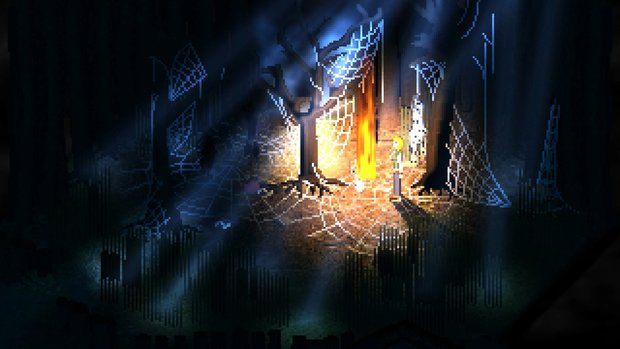
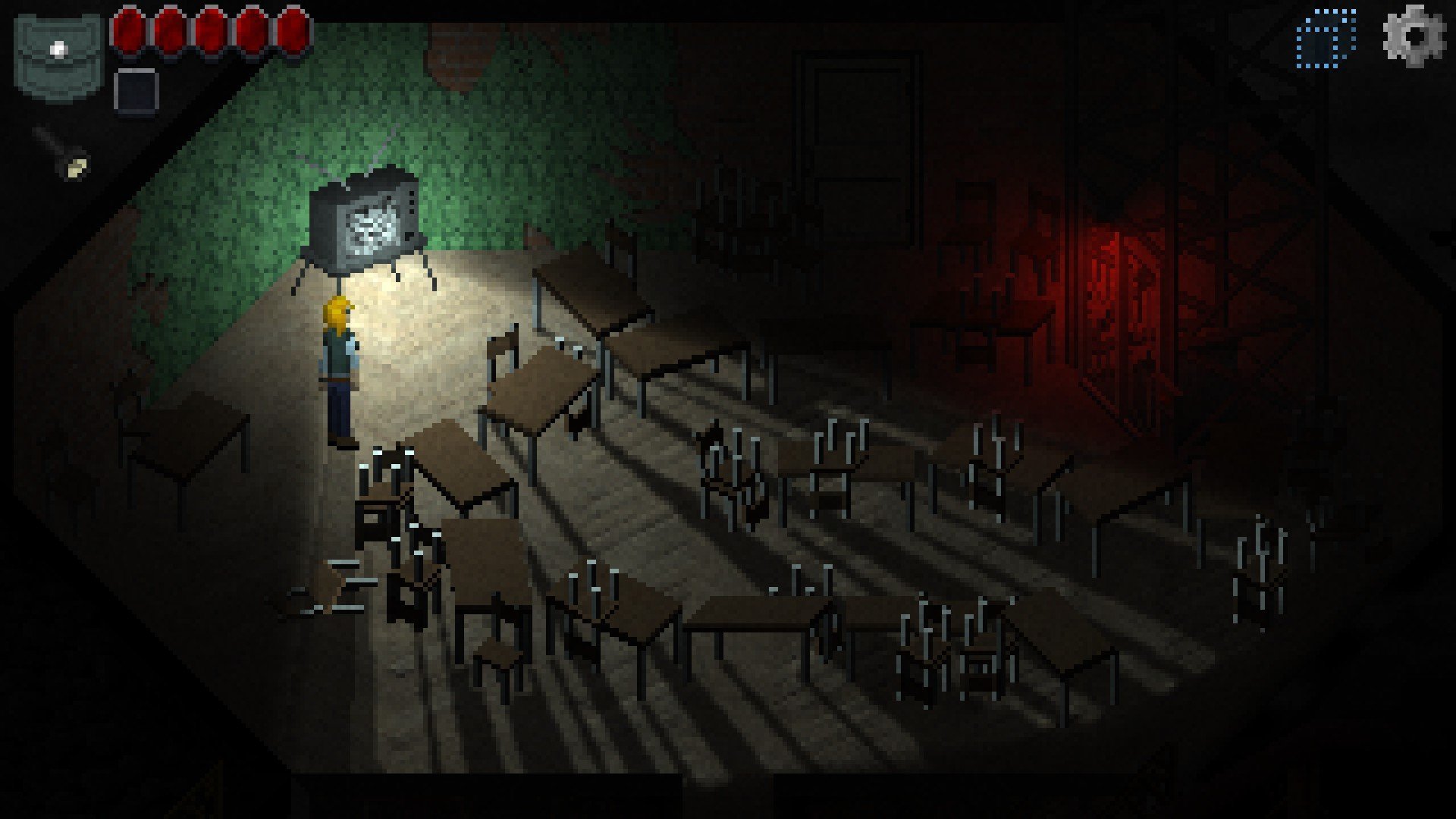
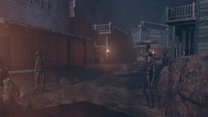
Amy visits several different dream locations, from a run-down hotel to a buzzing casino to a dense forest, every setting overflowing with ambience. Immersion is easy, not just because you constantly have to watch your back for enemies in hiding, but also because it’s simply a treat to explore these moody places. Scriptwelder has done an impeccable job of crafting a dreamworld that feels both substantial and unreal, just as one would expect from a dream. While traversing a foggy abandoned city, I stumbled across a well-lit doctor’s office where it seemed like the receptionist had just stepped out for a quick coffee break, making the city feel at once strange and familiar. Speaking of coffee, there are “safe rooms” scattered throughout, a staple of survival horror, where you can rest for a moment and recharge with a steaming hot cup of joe. The music that plays in these rooms is just as comforting as any Resident Evil title has to offer.
Gameplay in Labyrinth of the Forsaken is a unique fusion of point-and-click puzzle solving, strategic combat, and survival horror-style resource management. There’s full controller support, or you can play with either mouse and keyboard or just a mouse, and the controls are designed with all three in mind. I tried them all and had no issues with any of them being too difficult or unoptimized. As Amy navigates the dreamworld, she encounters obstacles that impede her primary goal of tracing Thomas’s trail, which become objectives such as unlocking bridge controls in a city or finding a hotel guest register to gain access to certain rooms.
Completing objectives is where puzzle solving comes into play. You’ll need to use the items you pick up thoughtfully to gain access to closed areas, open locked containers, or connect the pieces of an environmental puzzle. Progression often requires a roundabout series of puzzles to be solved before you get to the actual objective. You may need to examine a box in your inventory to find a keyhole, but the key may be hidden in an area that requires another tool to access. Once you open the box, it might be a piece of a statue that you’ll need to combine with other pieces found around the dream.
To succeed you’ll find yourself having to backtrack to revisit places you couldn’t previously access once you’ve found the item needed for them. This never felt tedious to me, though. Rather, it felt rewarding to see environmental details in a new light once I realized they were part of a puzzle solution, and I quickly learned to pay close attention to everything as I traveled through dreams.
Unlike a more traditional adventure, here various monsters and shadow people will attack Amy as she travels through her dreams. Sometimes you can avoid them but often they don’t give you a choice but to fight. Combat encounters are turn-based, with the order of attack displayed above each enemy’s head along with their health. You can strategically use weapons to slow them down or cause status effects, which are represented by different colors on their health bar. Amy has a variety of items she can use in battle, including defensive shields and first aid, but using any item takes up one of her turns. While you have time to think, fighting does involve some planning on the fly, since you’ll need to use the items you have on hand effectively. It pays to keep Amy well-stocked in case of a battle.
I was afraid the combat might get repetitive, but there was enough variety to keep me hooked. Different enemies have different types of attacks and drop different items. For example, spiders drop poisonous fangs, which can cause an enemy to bleed for seven turns if you use them as a weapon. That’s extremely powerful! The spiders terrified me, but I found myself willingly getting into battles with them just to pick up a fang.
Deep Sleep: Labyrinth of the Forsaken
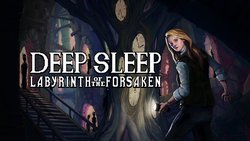
| Genre: | Mystery, Thriller |
|---|---|
| Presentation: | 2D or 2.5D, Isometric/Overhead |
| Theme: | Psychological, Missing persons |
| Perspective: | Third-Person |
| Graphic Style: | Pixel art |
| Gameplay: | Puzzle, Quest, RPG, Resource management |
| Control: | Point-and-click |
| Game Length: | Long (more than 10 hours) |
| Action: | Combat |
| Difficulty: | Medium |
If the thought of any combat puts you off, it’s important to note that the game offers three difficulty settings: Story Mode, Tactical Mode, and Custom Mode. If you’d rather not be forced into confrontations, Story Mode allows you to focus on the narrative, while Tactical Mode is the intended mode with strategic combat. Custom Mode allows you to adjust settings to your preferences, such as enemy actions, damage, and health. For the purposes of this review, I played on the default Tactical Mode, but it’s nice to have the option to tailor the experience depending on what you’re personally looking to get out of the game.
Amy will pick up makeshift weapons and shields, highlighted in the environment, all with randomized durability. There’s an interesting trick to durability, though. Amy can focus her mind, which allows her to manifest items she has picked up in a previous dream, so if something breaks, she can just think up a new one, even during combat. This includes things like crowbars and screwdrivers that can both serve as weapons and help you get into containers or tight spaces. Other helpful items she can manifest include health drinks, first aid kits, coins to try her luck in vending machines, and shields for defense.
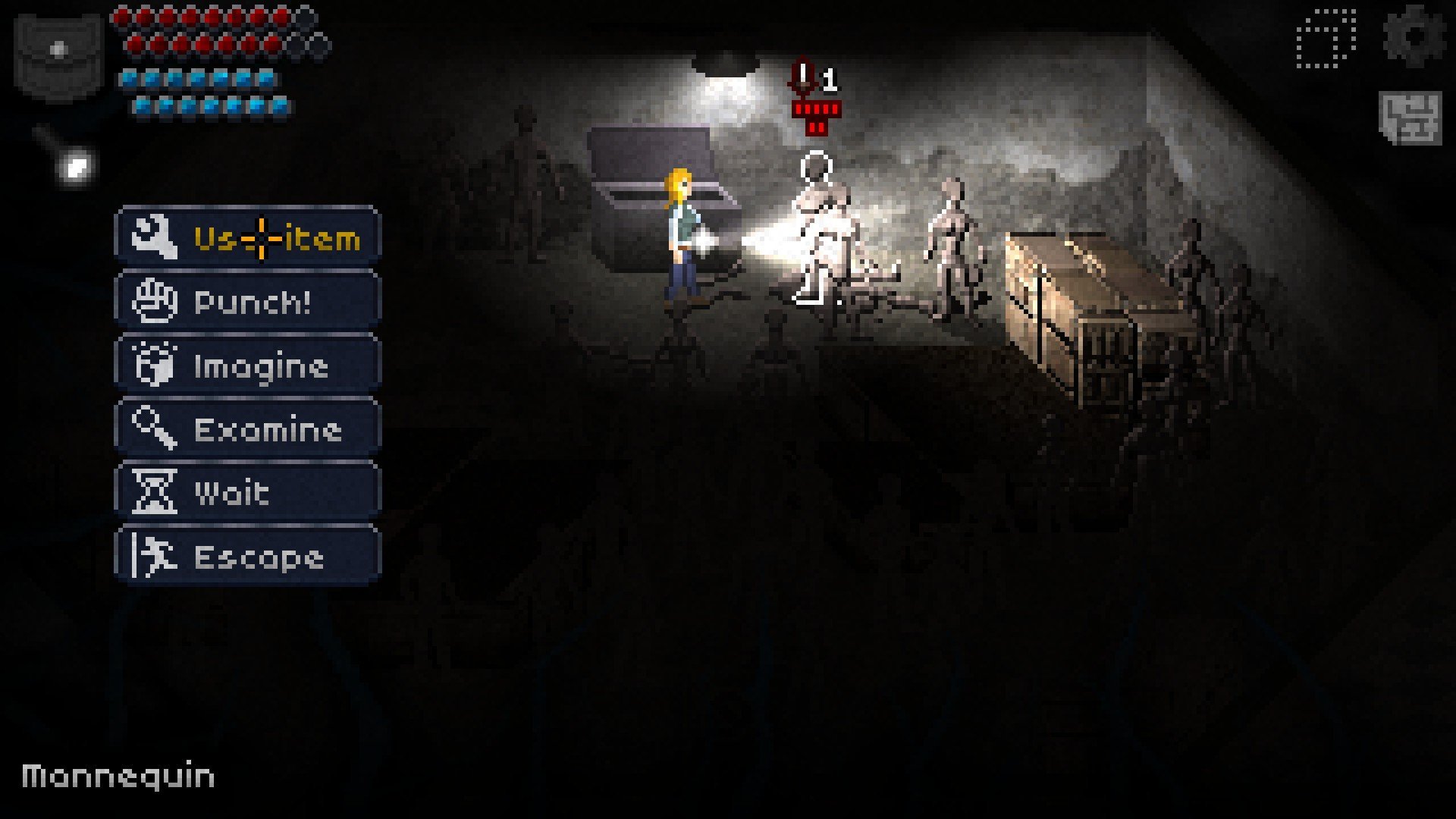
Initially Amy has a limited amount of focus, but she can get more through upgrades. Whenever she solves puzzles, defeats enemies, or picks up items and files, she’ll gain “echoes.” At the end of a dream, once she wakes up, she can use these echoes in the software installed on her computer to upgrade her abilities. There she can boost things like her health, inventory size, and critical hit chance, but focus might be the most important upgradeable element.
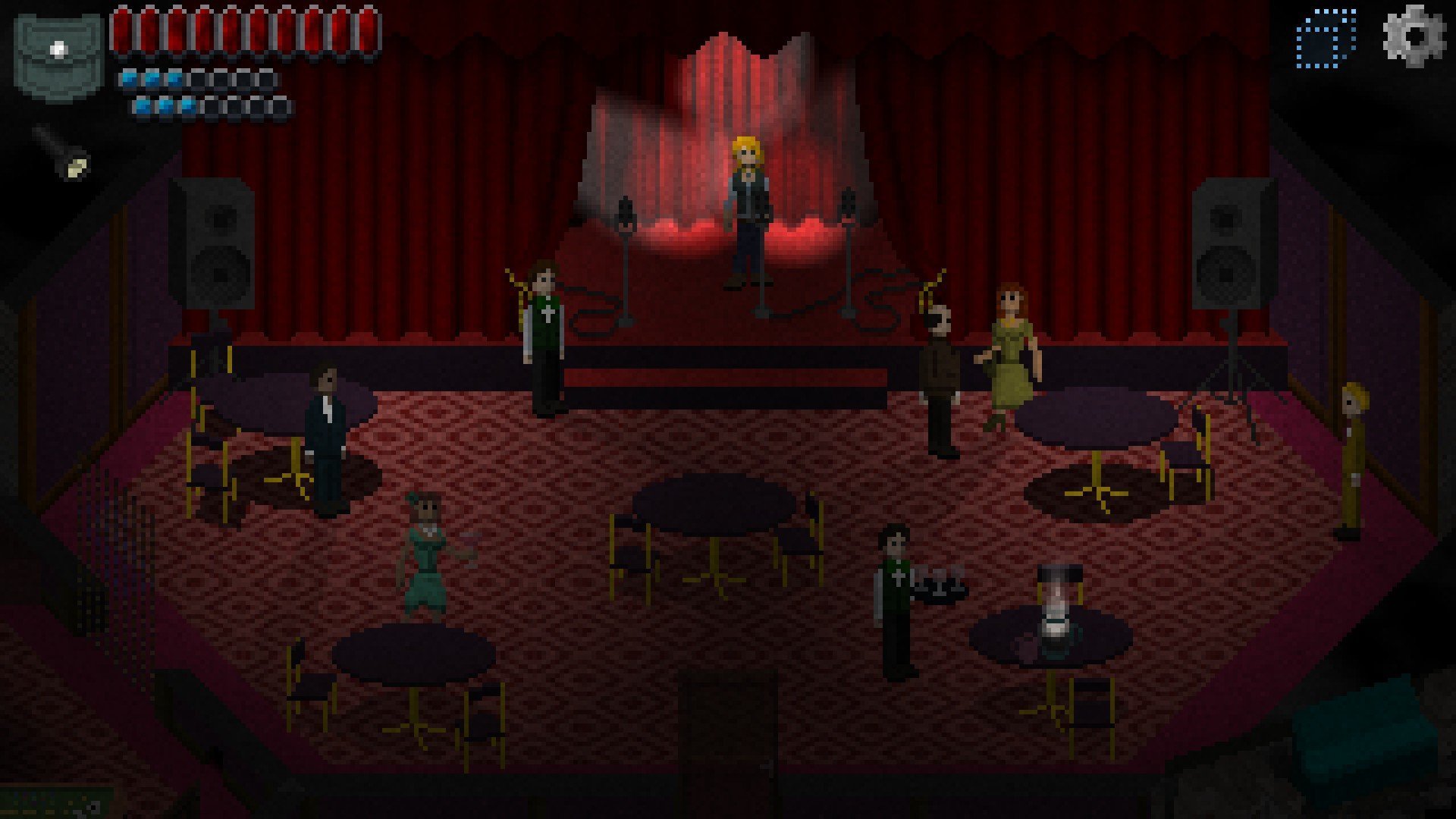
The top left corner of the screen shows a pouch representing Amy’s inventory, her health in red, and her focus in blue. Drinking coffee restores focus, and you can find this precious beverage in safe rooms or by picking up thermoses. Anything you pick up can be examined in the inventory screen after clicking on the pouch. Upon closer inspection, weapons will show you their combat damage and any special effects they have, such as causing enemies to bleed or hitting multiple targets at once. Key items often require examining to discover hidden latches or messages. You have the option to combine items as well, which is mainly reserved for puzzle solutions.
Items themselves are randomized in each dream, meaning that revisiting a dream can net you different things. While I didn’t have many issues with this, I can see how it could be an obstacle when managing your resources. If you’re stuck with less useful items, you might not have the focus to make up for it and be forced to retry the dream from the beginning. You can always abandon dreams from the game menu, but failing to complete a dream means losing some of the echoes you’ve found.
Strategy and planning are crucial for getting through dreams. You’ll need to decide on the right combination of weapons, defensive items, and healing items while ensuring you have reserve focus in case you need it for a puzzle. I had some clutch moments, like when I ran out of focus but then got lucky enough to pick up a thermos right before the final battle. One of the upgrades you can get allows you to retry the last room you were in if you die, instead of ending the dream and sacrificing some echoes.
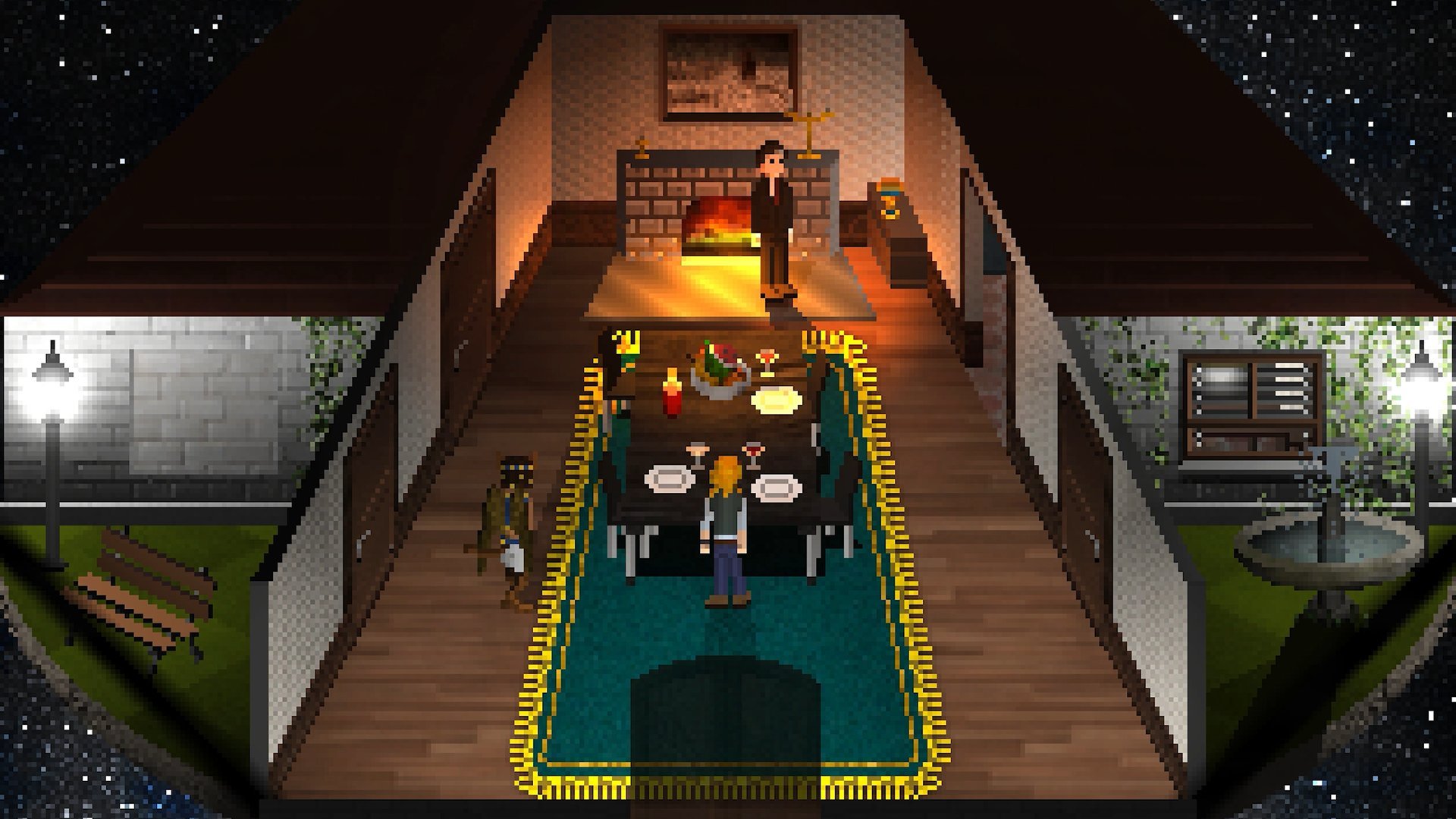
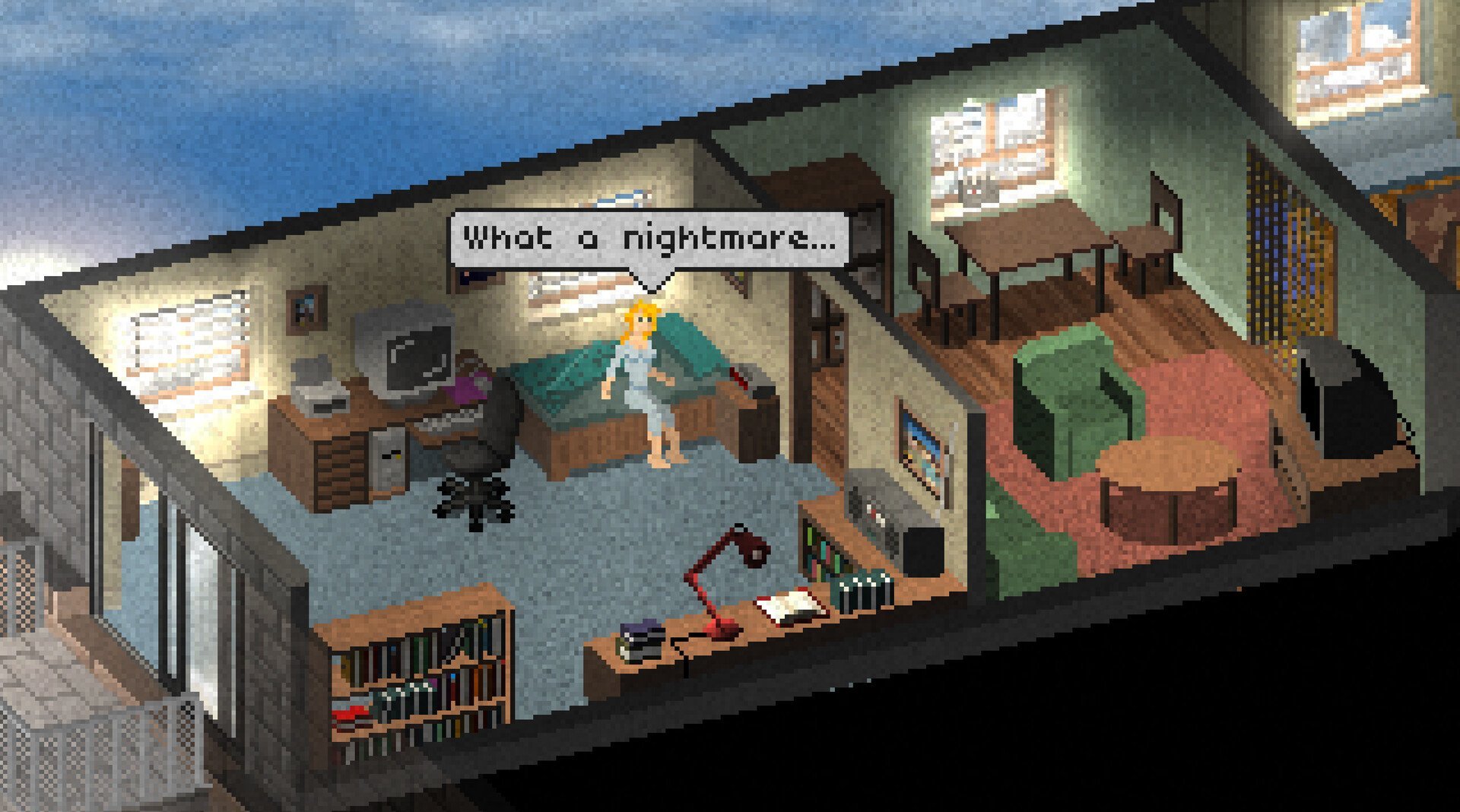
Whether Amy dies in a dream or completes her objective, she’ll wake up the next morning in the apartment. Again, the music here is fittingly subdued and soothing. Amy spends her days doing different activities and going through Thomas’s things. The ways in which she can interact with items in the apartment add some fun flavor to the game. She can make a latte, stand outside on the balcony and look down at the city below, clean up leftover takeout boxes from last night’s dinner, or read her dream journal to refresh her memory on the dreams she’s visited. She can go through the notes, letters, and files she’s found of Thomas’s, providing insight into his thoughts and movements before his death. She can also listen to messages on the answering machine, most of which are from her co-worker Alex, keeping her up to date on events in her absence.
Once you’ve gone through all of these optional tasks, you can choose Amy’s main activity for the day. Whether she stays home and reads, watches TV, goes for a bike ride, or explores the city will determine what kind of bonus she gets in the next dream. She can earn more echoes, boost her focus or health, or start the dream with an extra item. I found this loop of dream exploration followed by mundane errands in the waking world to be satisfying, realistic, and genuinely enjoyable. It was nice to stay with Amy throughout her day and not just jump from dream to dream. The downtime during the day adds a nice balance to the eerie, often tense dream sequences at night.
The details found in both Amy’s temporary apartment and her dreams are a great source of environmental storytelling, working along with the notes and scraps she finds and the discussions she has with other characters to build an intricate and believable world. The story itself, a mystery at its core, remains engaging as well, keeping you questioning everything the entire time. What happened to Thomas? Who exactly is Tutu and what do they know? How is Sidereal Plexus involved in all of this? Why is there a red snake offering me hints? Yes, that’s right: during the more difficult puzzles, a talking red adder will slither out from some hidden place and offer you a hint in exchange for blood. If you take him up on his offer, he’ll take a bite of your health, but maybe that’s a small price to pay for easing some frustration.
While the puzzles and combat can both be challenging at times, I was able to get by just fine. The harder puzzles usually involve some kind of environmental clues, and combat can often be left and returned to later when you have more health or better items. Amy is able to revisit dreams she’s already been through, and the second trip usually provides some kind of additional challenge that adds to the lore. You can choose the order in which you visit dreams by selecting their corresponding nodes on a map. Each dream has its own map as well, but just like in a survival horror game, you have to find it before you can use it.
Even though it took me around 27 hours to complete, I didn’t feel like the game ever overstayed its welcome. It has a fair number of levels with varying designs, and a lot of my time was spent on replaying them for extra story bits, which is entirely optional. The ending ties up loose ends but also leaves some questions unanswered, which nicely allows room for potential follow-up titles.
Final Verdict
Nostalgic in the best ways, Deep Sleep: Labyrinth of the Forsaken is a gift for fans of both survival horror and point-and-click adventure. Those happen to be my two favorite genres, so seeing them woven together to such great effect was a huge treat. It proves that a 2D game with pixel art can be as atmospheric as any 3D horror game, and combining resource management and combat with puzzle solving and exploration turns out to be a formula for success. The environments, story, and characters here are so engaging that I hope this isn’t the last we see of scriptwelder’s ambitious dream universe.
Hot take
Labyrinth of the Forsaken is a highly successful blend of classic point-and-click adventure and survival horror, expanding on the Deep Sleep freeware trilogy with interesting new mechanics, immersive environments, and a compelling mystery at the heart of it all.
Pros
- Engaging mystery that keeps you asking questions
- Satisfying gameplay loop that alternates between surreal nighttime dreamworlds and a more grounded daytime setting
- Detailed atmospheric environments enhanced by the ambient soundtrack
- Resource management and puzzle solving go hand-in-hand
- Option to simplify combat and focus on the narrative
Cons
- Randomized items in each level could interfere with the ability to complete it
- Some minor translation errors in the English version
Alyssa played Deep Sleep: Labyrinth of the Forsaken on PC using a review code provided by the game's publisher.

- Advertisement
- Help support AGH by advertising with us






0 Comments
Want to join the discussion? Leave a comment as guest, sign in or register in our forums.
Leave a comment