
The Lightkeeper review
- 0 Comments
Short but haunting narrative-driven psychological horror goes to some dark places, in every sense of the word
The Flannan Isles are a remote, uninhabited group of islands off the northwest coast of Scotland. The largest is home to a lighthouse built in 1899, perched dramatically on a 90-meter cliff above the Atlantic. Before its automation in the 1970s, the lighthouse was maintained by teams of three keepers. In mid-December 1900, concern arose when its powerful light, visible for over 30 kilometers, suddenly went dark. With no radio communication and severe weather delaying investigation, a relief party was sent days later to find the lighthouse intact but its three keepers – Thomas Marshall, James Ducat, and Donald MacArthur – gone without a trace, a disappearance that remains unexplained to this day.
The Lightkeeper, developed by Darkphobia Games (creator of Amenti), joins the long list of books, novels, films, and games (along with an opera and even a song by Genesis) inspired by this incident. Rather than retelling the historical events, the game reimagines their aftermath through a fictional narrative set 25 years later on a remote island off the southern coast of Iceland, adding some freshness to an already well-explored premise. With only light gameplay spread across a playing time of about two hours, The Lightkeeper offers little in the way of challenge but instead delivers a dense, tightly paced psychological horror experience.
You play as Arthur, a veteran of the first World War who struggles with psychological trauma from his military service and copes with relentless feelings of guilt that have been plaguing him ever since. He hopes that the isolation and mundane routine of working in a remote lighthouse will help him find the peace of mind he craves. However, soon after he arrives on the cold, windswept island, the lonely environment and haunting vivid memories of events from his life that took place years earlier begin to affect his fragile mental state, turning what he thought would be a refuge into a harrowing ordeal.
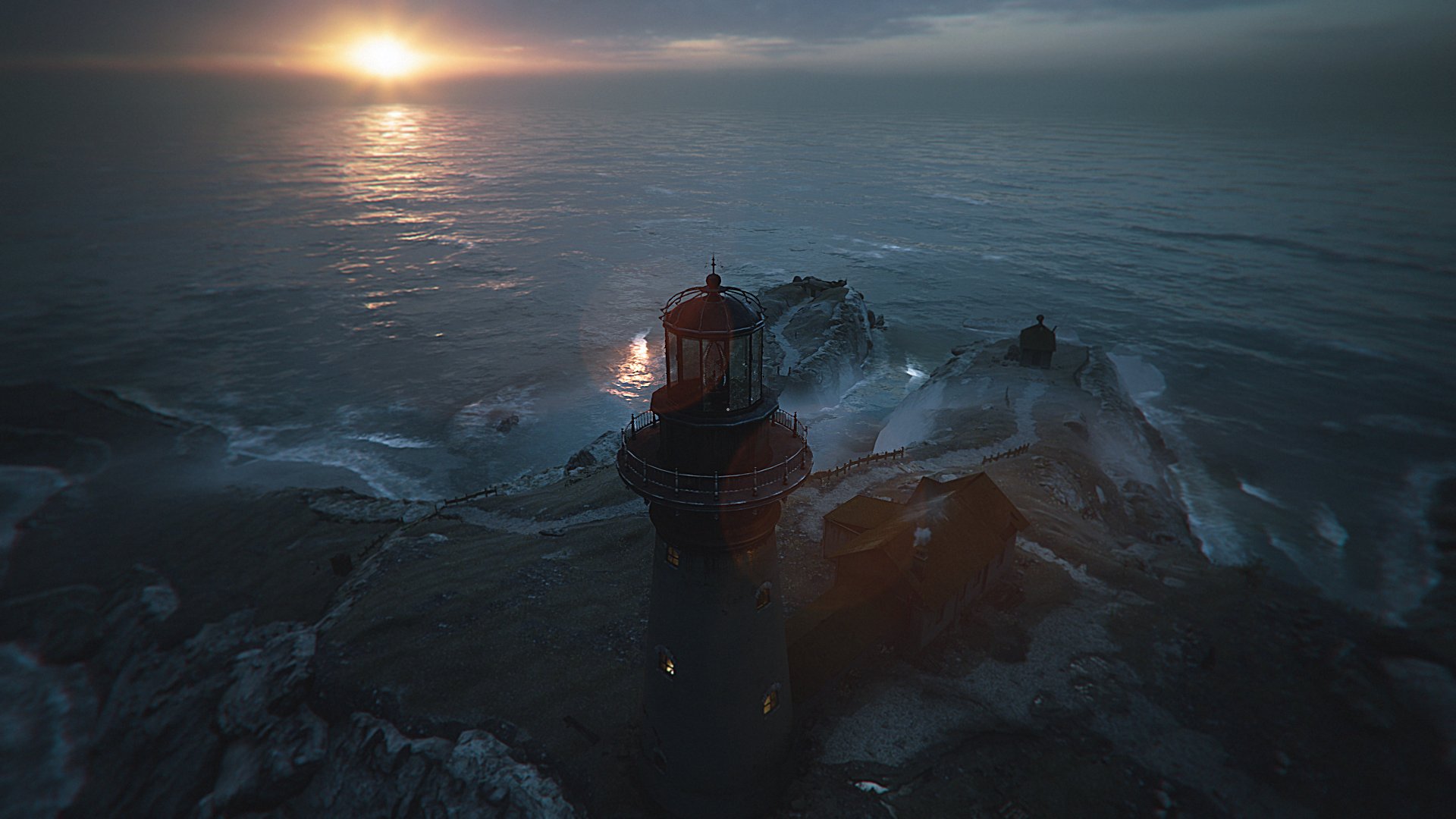
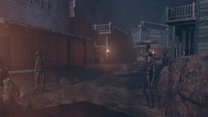
The opening sequence sets the general tone for the game. As the previous keepers silently take their leave, Arthur is left alone on the pebbled shore. He is accompanied only by the constant sound of a lonely foghorn, as the lighthouse looms ominously atop the distant cliff. Waves gently lap a dilapidated boathouse, as Arthur’s gaze follows the small ship sailing away into the fog.
Lannan, the fictional, desolate island on which the game takes place, is presented in highly detailed, photorealistic graphics viewed from a first-person perspective. You can almost feel the cold and dampness as the wind wails in your ears. The different areas and damaged buildings show clear signs of wear, like rust on metal and mossy old walls with peeling paint, making everything appear aged and neglected. The detailed textures on surfaces such as floors, walls and mechanical parts make the environment look real and believable. It truly seems as if there were many people here over a number of years before you arrived.
Dominated by grey tones that give the whole game a muted, somber feeling, the visuals create an uncomfortable atmosphere that supports the game’s horror theme. The choppy, insidious sea, overcast sky, and lonely lighthouse all seem to blend into the same dull palette, as if the island is permanently trapped in bad weather. A quiet layer of gloom hangs over everything, creating a sense of isolation and unease that fits the setting of such a remote place cut off from the world. Even in calm moments, that grey heaviness never quite lifts, making the environment feel bleak and melancholic.
Music in The Lightkeeper is understated but deeply effective, focusing on atmosphere rather than melodic lines. It relies on ambient soundscapes consisting of low drones, faint chords, and eerie, sustained tones that blend seamlessly with excellent environmental effects like wind, bird calls, clanking mechanisms, and creaking structures. In the more dramatic moments, the score heightens tension and unease without drawing attention to itself. This minimalist, haunting approach makes the soundtrack feel like an actual part of the world itself, as if it can be heard throughout the island, thus reinforcing the psychological horror and keeping you in a constant state of quiet dread.
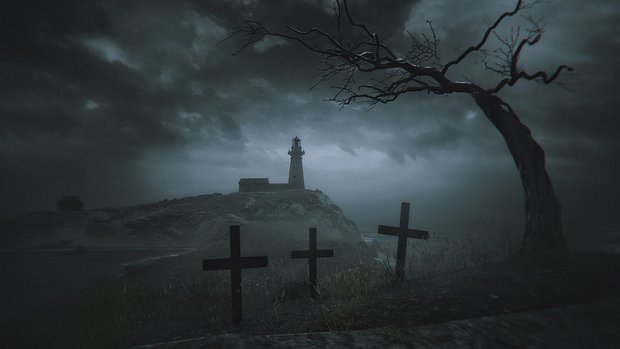
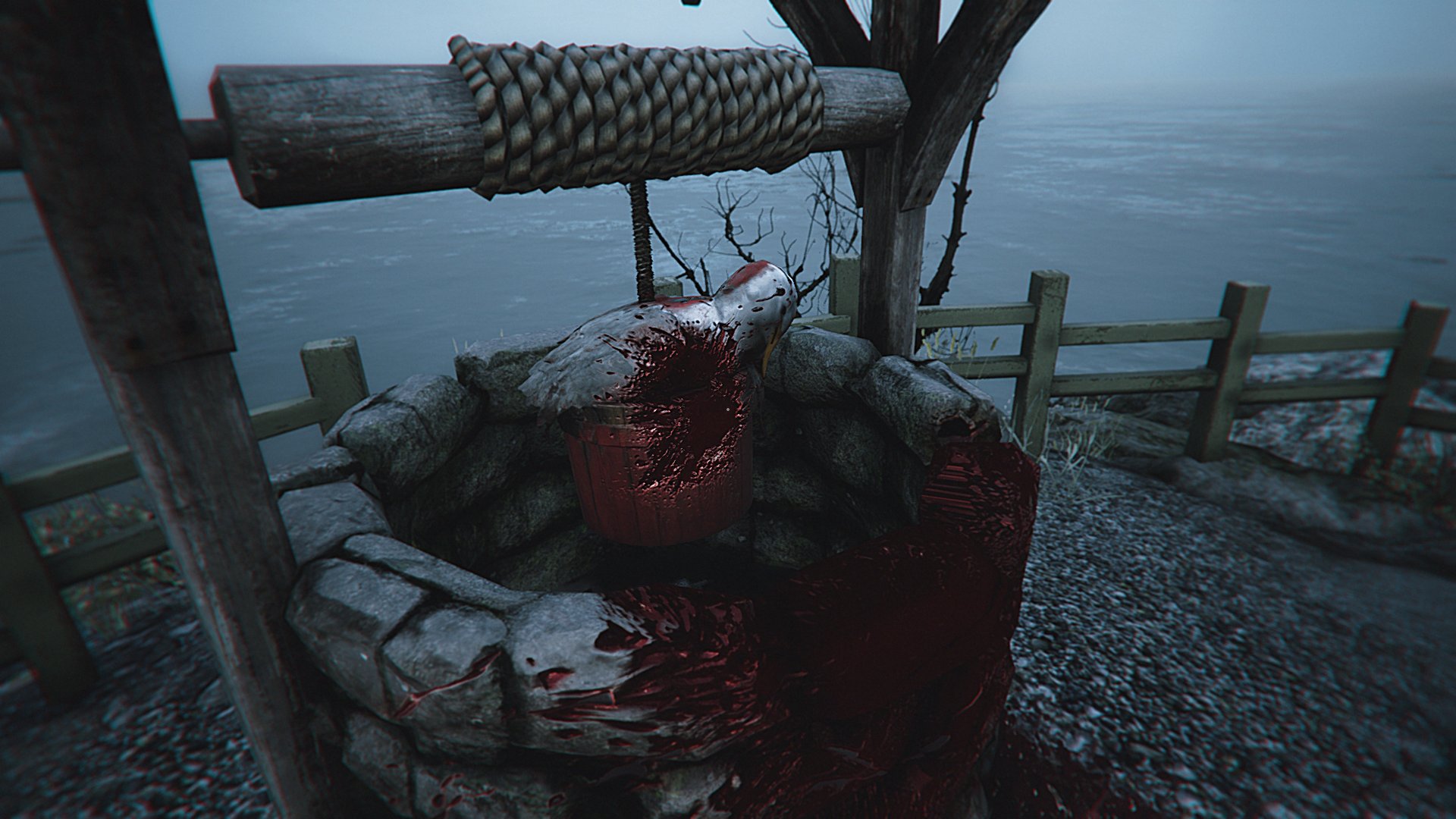
Smooth 3D movement is controlled through the WASD/mouse scheme or with a gamepad. There are not many locations to explore, but each of them hides some secrets. In addition to the lighthouse itself, there is a well, a radio room, the foghorn, the dock, and “The Threes” – a row of ominous-looking crosses. Objectives are displayed when pressing TAB, alongside a map of the island.
The Lightkeeper
| Genre: | Horror |
|---|---|
| Presentation: | Realtime 3D |
| Theme: | Psychological |
| Perspective: | First-Person |
| Graphic Style: | Photorealism |
| Gameplay: | Simulation, Choices matter, Exploration |
| Control: | Direct Control |
| Game Length: | Short (1-5 hours) |
| Difficulty: | Low |
Hotspots are easy to notice, marked by small white circles, while a magnifying glass icon indicates items that can be inspected, such as notes or books. Some objects can be interacted with even without a visible hotspot, however, such as the windows around the lighthouse or notes lying on the floor. There is almost no pixel hunting, since it is usually obvious what you are supposed to do next; you just have to figure out how to do it.
There are not many “puzzles” per se in The Lightkeeper. The focus is more on exploration, both of the island and Arthur’s soul. The puzzles that do exist are simple and mostly inventory-based. There is some going back and forth to fetch items like coal or the foghorn wheel, but since the entire confined setting is not very large, there isn’t much backtracking. There are several mechanisms that must be repaired or completed, such as the power generator, or simply oiled and activated, like the lighthouse itself.
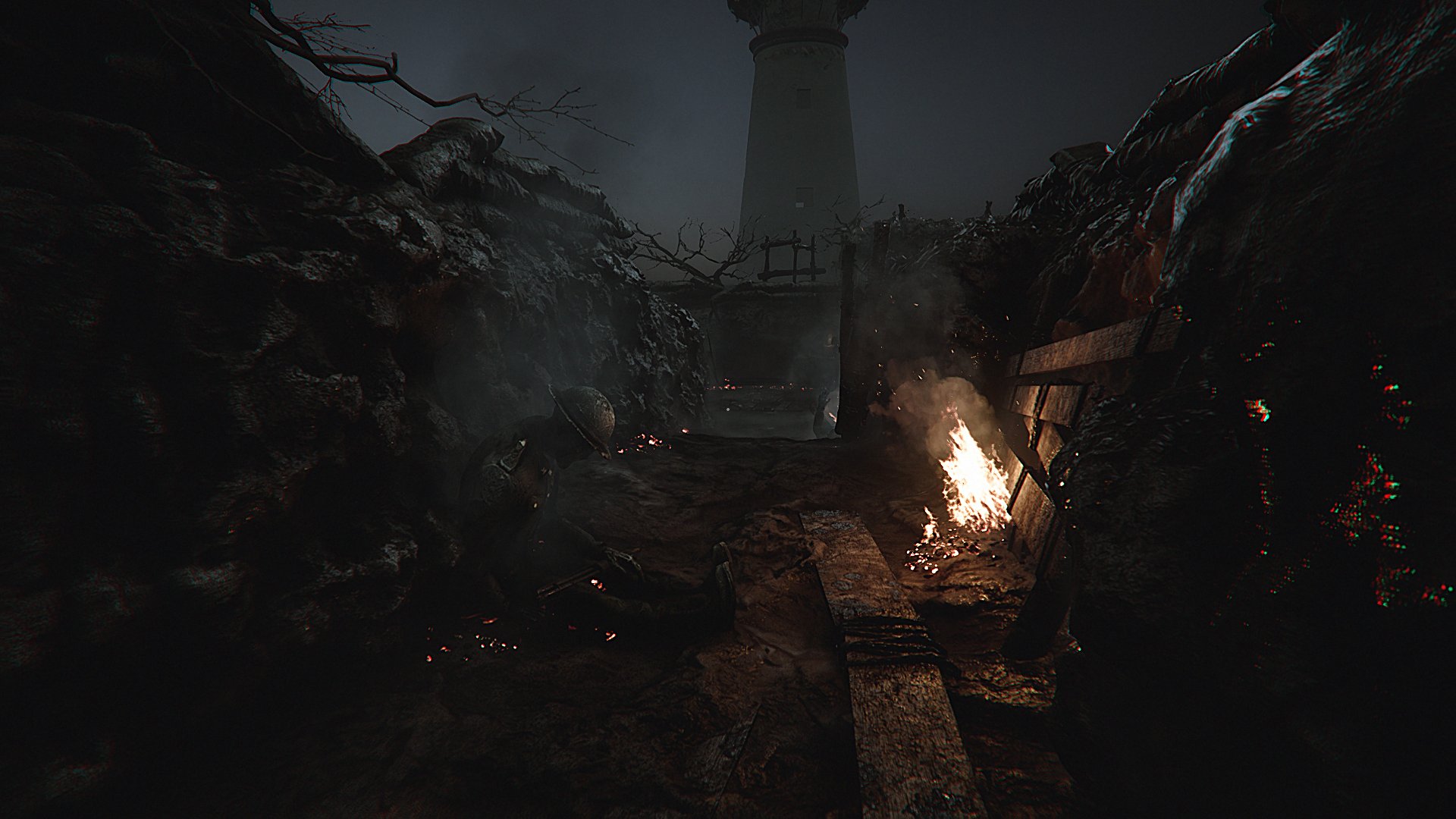
For most of the first half, gameplay centers around routine lighthouse duties and light exploration like maintaining the beacon, or searching the island for notes and clues about its past. As things grow stranger, the game transitions into more overt psychological horror. It throws reality to the wind altogether when Arthur goes through a previously locked door in the lighthouse’s basement, which happens about midway through the game, but even the first, seemingly “normal” half is not entirely so.
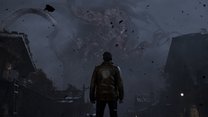
As the game progresses, reality and the supernatural merge gradually, until it is hard to tell them apart. Dead, bloody black birds appear in different places for no apparent reason as an entire flock squawk their mourning; a corridor stretches way beyond its original length and turns upside down with blood pouring upwards... and is there another man atop the lighthouse?
In the later stages, Arthur confronts his inner demons by reliving the harrowing events that have filled his mind and soul with so much guilt. This includes three maze-like areas: one underground, the other two in battle trenches and an army barracks. These scenes are very graphic, with some gut-wrenching war imagery of bunkers, burning soldiers, charred corpses, and soot-covered personal artifacts, all accompanied by blaring sirens. The soundtrack cleverly incorporates these, turning their piercing wails into a haunting, eerie song. The memories go on, becoming increasingly surreal, such as the trenches turning into a flooded street with dead people dropping from the sky, and ghostly apparitions of Arthur’s friends waiting for him in the distance – between two lighthouses.
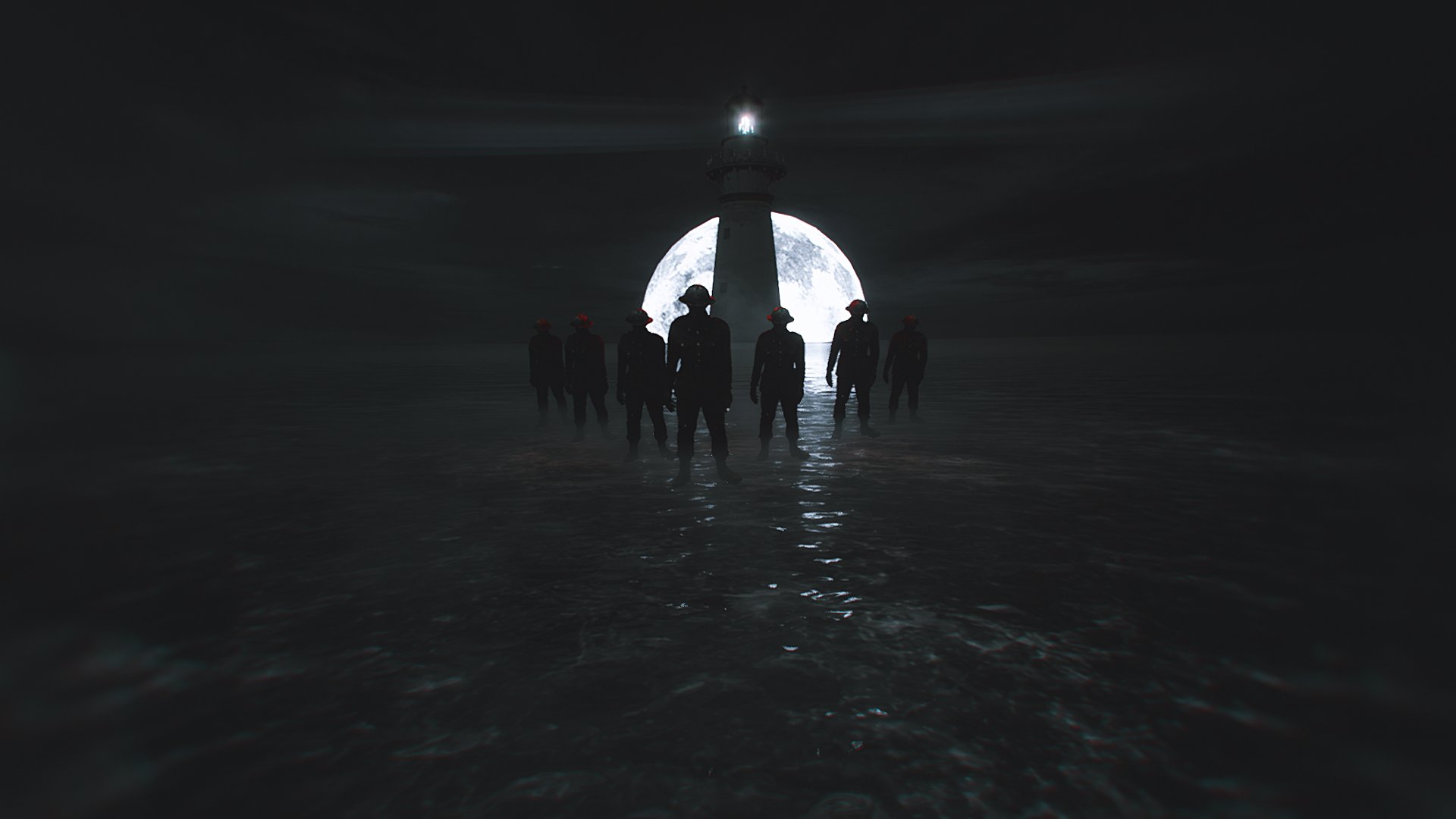
Even at its scariest, there is no immediate danger on the island; nothing that seems capable of harming Arthur, at least on the surface. The tension is derived from the oppressive atmosphere and the protagonist’s slowly deteriorating sanity as the line between reality and hallucination becomes deliberately blurred. As a result of Arthur’s traumatised soul and mental instability, his narrative becomes unreliable.
At the same time, the island itself seems to carry a dark history, with clues suggesting that something sinister may have affected previous visitors as well, right from the opening scene, where the two previous keepers look somewhat otherworldly and their gait somewhat inhuman. As strange events begin to occur, the game never clearly reveals whether they are supernatural or simply the result of Arthur’s troubled mind. This ambiguity lies at the heart of the experience.
Most of the time Arthur is alone, with no one to talk to, so there is little voice acting throughout the game, his thoughts appearing as text only. When we do hear him, he sounds like what we’d expect: grim, tired, lonely, almost desperate, yet I could sense some warmth in his voice, like there is still some hope deep inside his heart. Other voices come from external characters, mostly Arthur’s comrades and commanders in his memories, or from communication devices. Voice acting was inexplicably missing from one scene in which Arthur contacts his operators, asking them to be rescued from the island. Instead of him speaking, even pleading to them, all we get is text over static noise.
This game deals with serious subjects, like post-traumatic stress disorder and its implications (such as alcoholism), suicide, military camaraderie and living with the huge burden of personal guilt. These issues make up the core of Arthur’s personality and are the cause of his plight. Though this makes him a full, rounded, believable and relatable character, I believe they could and should have been expanded upon further. As it is, they feel more like a checklist used to understand his character, as if the developers tried to pack in too much for the short play time.
Three different endings can all be reached from a certain save and are not affected by the gameplay up to that point. There are no choices to be made or different paths to take, so you don’t have to replay the entire game, or sections of it, to restore and pursue a different outcome. One of the endings feels, at least at first, like an epilogue with a small ray of hope, but giving away any further details would only spoil the surprise. Suffice it to say that they are all logical conclusions, bringing the story into full closure from three different narrative angles.
Final Verdict
The Lightkeeper is a solid horror experience if you enjoy atmospheric, story-driven games that focus more on mood than mechanics. The game does an excellent job of creating a creepy, immersive setting while gradually pulling you into the protagonist’s deteriorating mental state and the mystery surrounding the island. Those looking for deeper gameplay or a longer, more complex adventure may find the experience a bit lacking, as the gameplay mostly revolves around simple exploration and basic tasks. Even so, the strong atmosphere and focused narrative help leave a lasting impression, offering fans of psychological horror a memorable (if brief) trip into isolation and madness.
Hot take
The Lightkeeper’s great visuals and sound design are the strongest points of this short, tightly paced experience, making up in eerie atmosphere what it lacks in actual gameplay.
Pros
- Immersive, photorealistic graphics
- Atmospheric soundtrack helps establish a haunting mood
- Fresh take on relatively familiar real-world mystery
- Intriguing character study delving into a tormented soul
Cons
- Gameplay is mostly mundane chores and light exploration
- Slower pacing for the first half of the game
- The few puzzles aren’t complex or challenging
- Mental health issues dealt with only superficially
Eran played his own copy of The Lightkeeper on PC.

- Advertisement
- Help support AGH by advertising with us




0 Comments
Want to join the discussion? Leave a comment as guest, sign in or register in our forums.
Leave a comment