
Stefano Rossitto, Madit Entertainment – Roots in the Sky: The Hand of Glory 2
- 3 Comments

When last we saw Lazarus “Lars” Bundy, he… wasn’t doing too well. Italian developer Madit Entertainment’s The Hand of Glory ended on a rather shocking note I won’t spoil here, but suffice it to say that the dramatic finale both demanded a sequel and made it difficult to imagine one. But now, six years later, that hoped-for encore is nearly upon us, and after a first-hand look at Roots in the Sky, I can confidently assure fans of the original that they will be richly rewarded for their patience, along with anyone who enjoys ambitious Broken Sword-like globetrotting adventures filled with legends, puzzles, mystery and more.
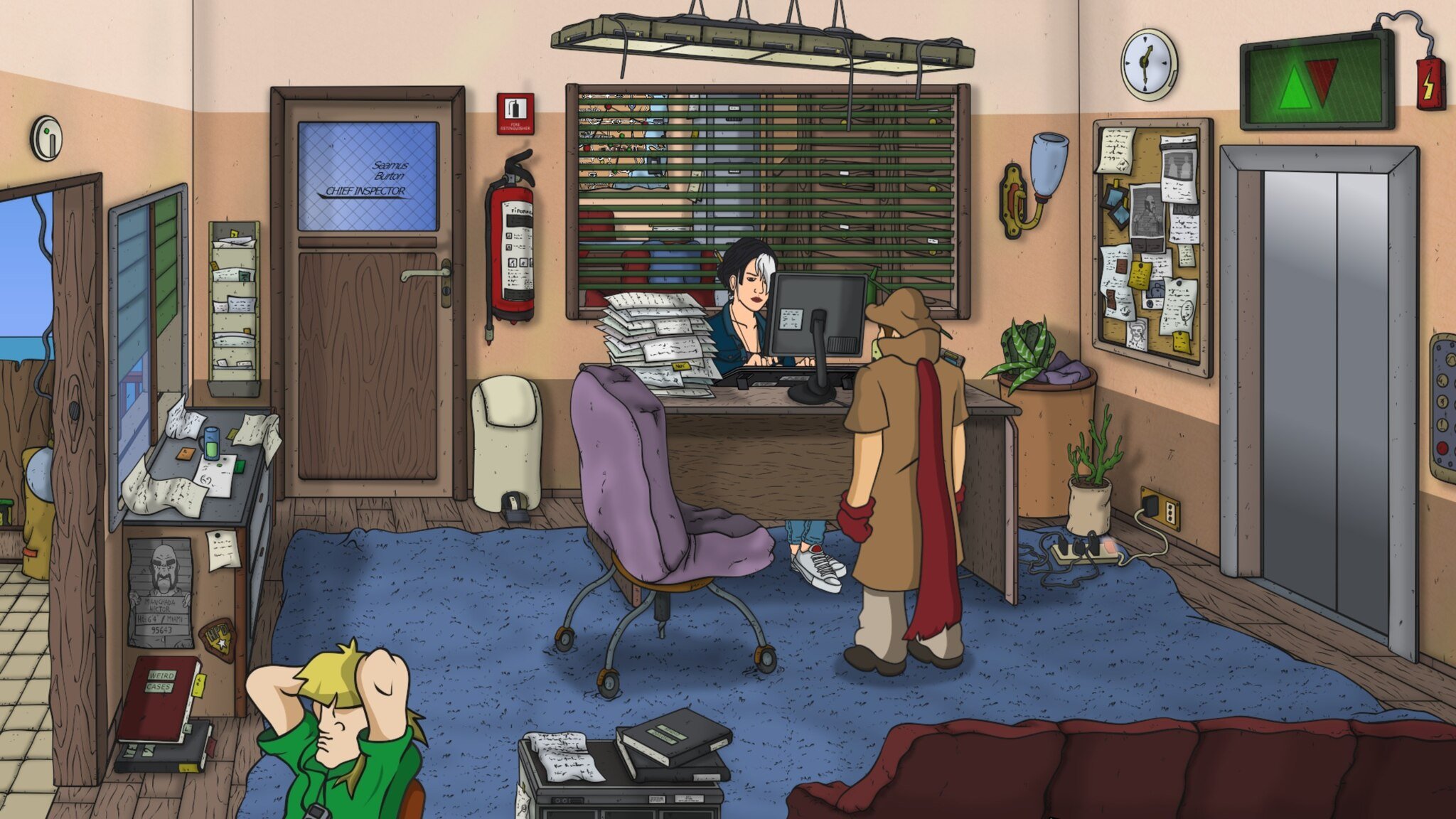
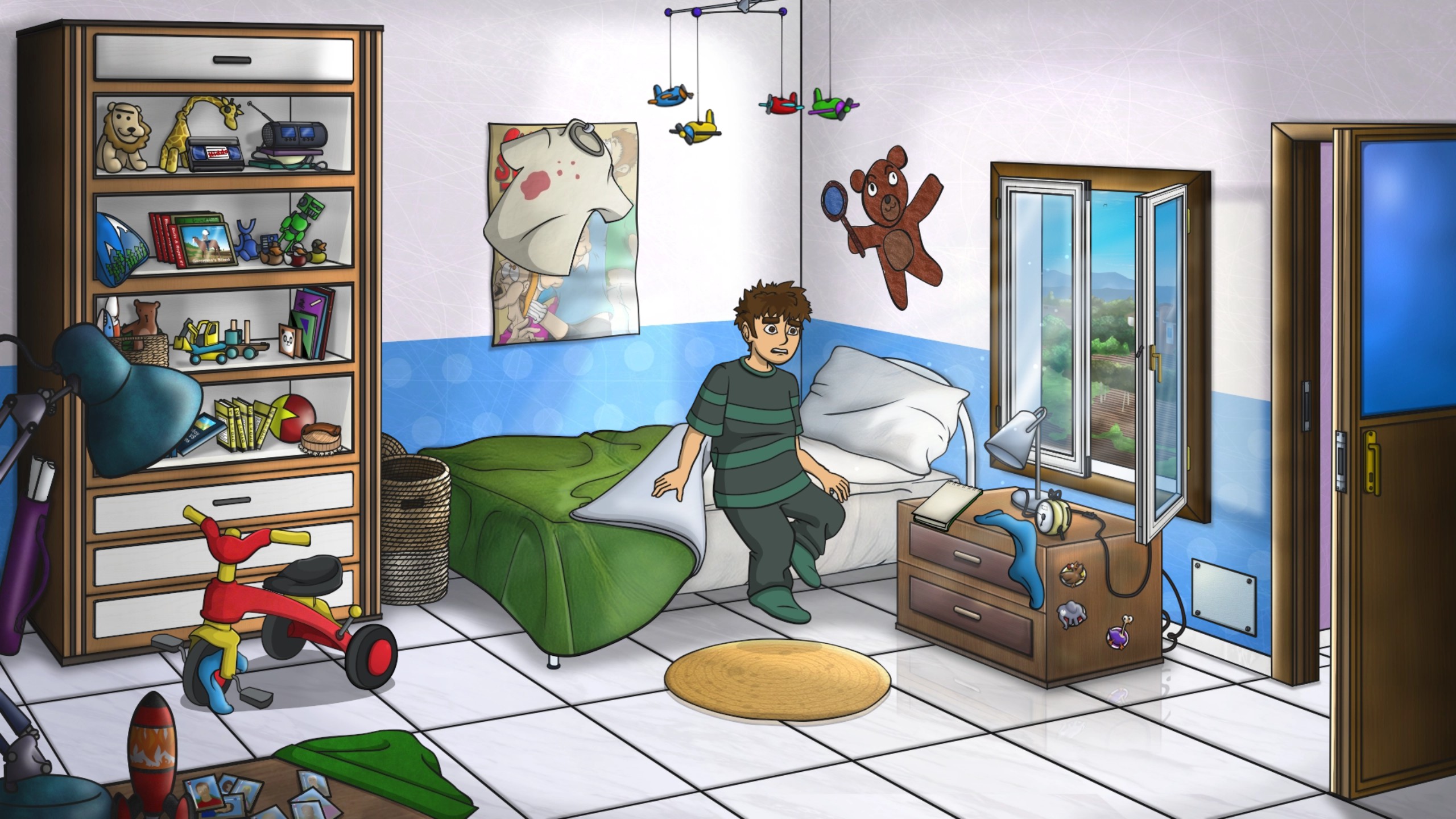
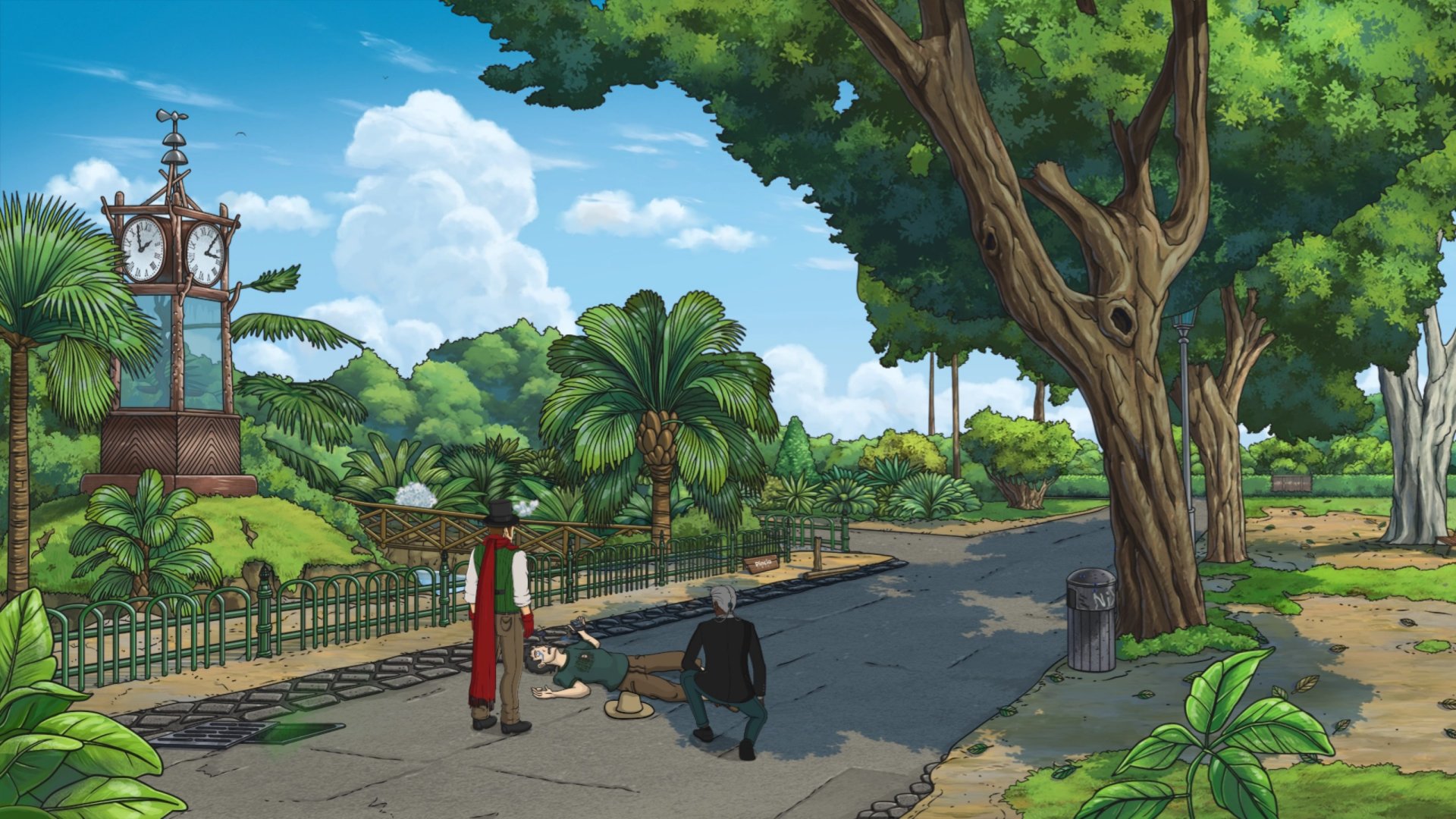
While six years have passed in real time since the first game, five have passed in game time. Following an extensive recap of the story so far, we find Lars in Rome, keeping his identity secret from friends and foes alike while providing private security with his partner Malcolm, who runs a tour guide business. Unfortunately, their latest client won’t be leaving a positive Yelp review – or any review at all – as he’s shot dead in the park before their eyes. Fearing that the murder will expose his secret, either by the police or in the press, Lars has no choice but to try to solve the case himself (with the help of some evidence he conveniently withholds from the authorities to buy him time). Although not before a flashback sequence to his childhood home to discover how Lars picked up his quirky sartorial style.
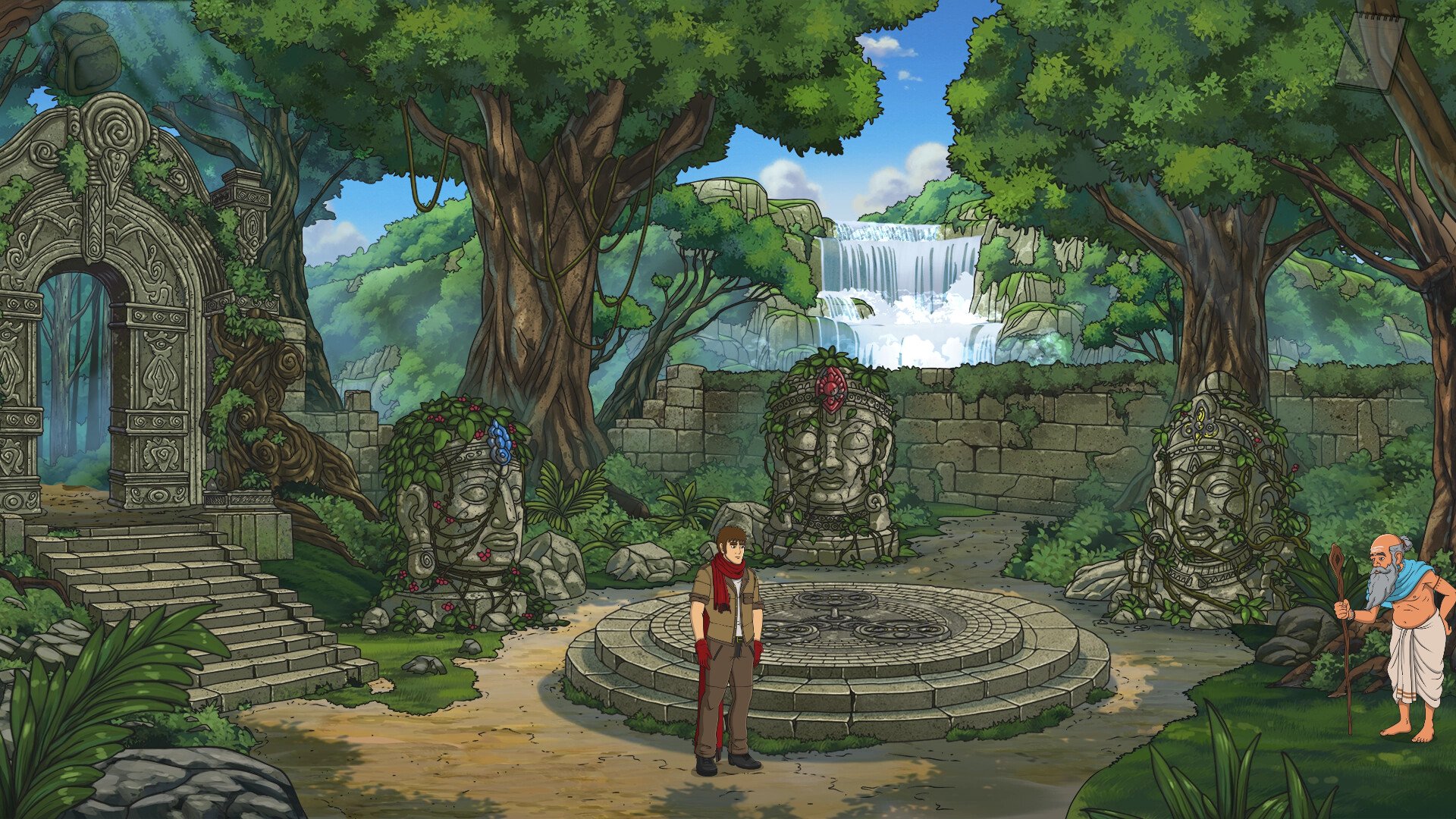
Everything The Hand of Glory got right returns in the sequel, and is even improved upon in key ways. The same vivid, almost cartoony hand-drawn artwork is back, but is more refined this time around, with a generous helping of animation to bring it all to life. Voice actor Matthew Curtis reprises his role as Lars and seems to have grown more comfortable in the role. Alice Sharp, now a full-fledged detective, is back as well to lend her technical expertise in a playable role, although she’s none too happy at first to learn of Lars’s deception.
The interface is new, though still point-and-click, but as before you can expect puzzles galore, with many different scenes to explore across wide-ranging locales, and more quirky characters to meet throughout a story that once again catapults from a seemingly straightforward mystery to one with far-reaching consequences and ties to age-old legends – this time the creation of life itself. There are still some serious health issues to worry about, and plenty of opposition who will stop at nothing to prevent Lars from succeeding, but he continues to take any and all dangers in stride with a wry sense of humour.
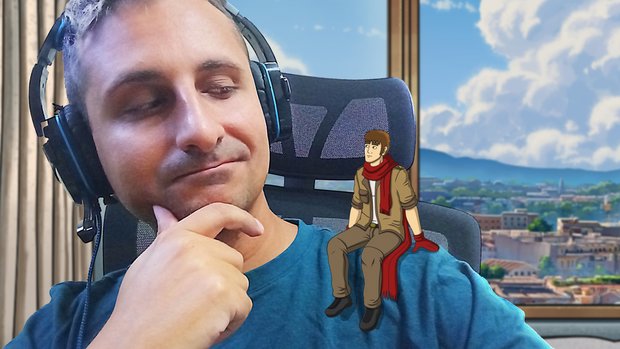
More Roots in the Sky details will follow soon in our review of the game, but in the meantime, I welcomed the chance to chat with the series creator and do-it-all developer, Stefano Rossitto.
Hi, Stefano. Great to talk to you again, and welcome to the Adventure Game Hotspot. I hope you’re not suffering too much from the slow-roasting oven that is Europe this summer.
Stefano Rossitto: Hi everyone! I’m happy to be back on these adventurous shores! I’m stoically enduring the heat. I’m even managing to save on my utility bills: I cook directly on the hood of my car.
Sounds like an adventure gamer's solution! I'm glad to hear you’re holding up in the heat, because you’ve got a game to finish.
Stefano: Recently, I took a quick trip to Poland to find some inspiration and recharge my batteries. I came back with fresh ideas, a stomach full of pierogi, and more energized than ever. I'm ready for the final push!
Tell us about Roots in the Sky.
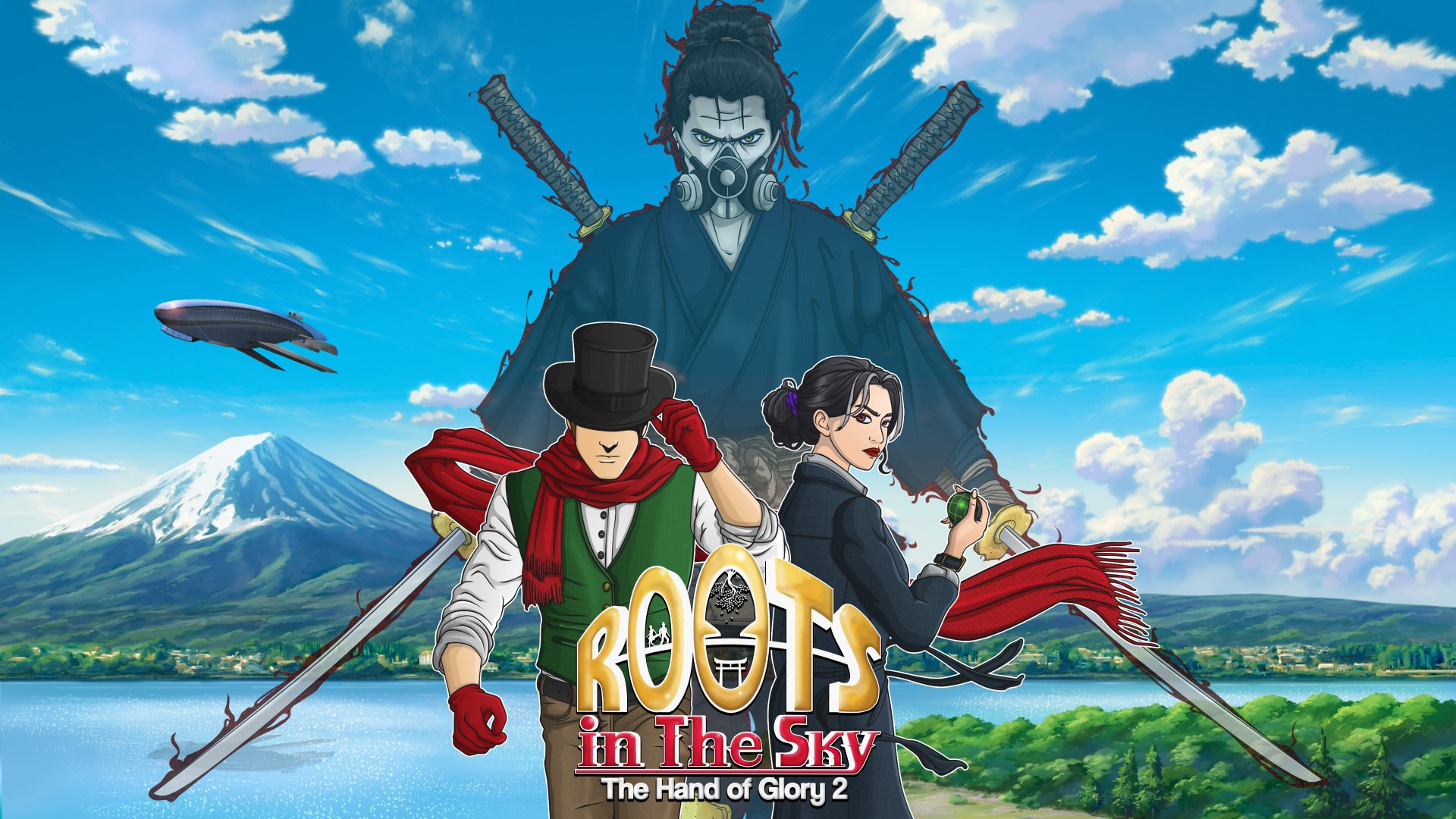
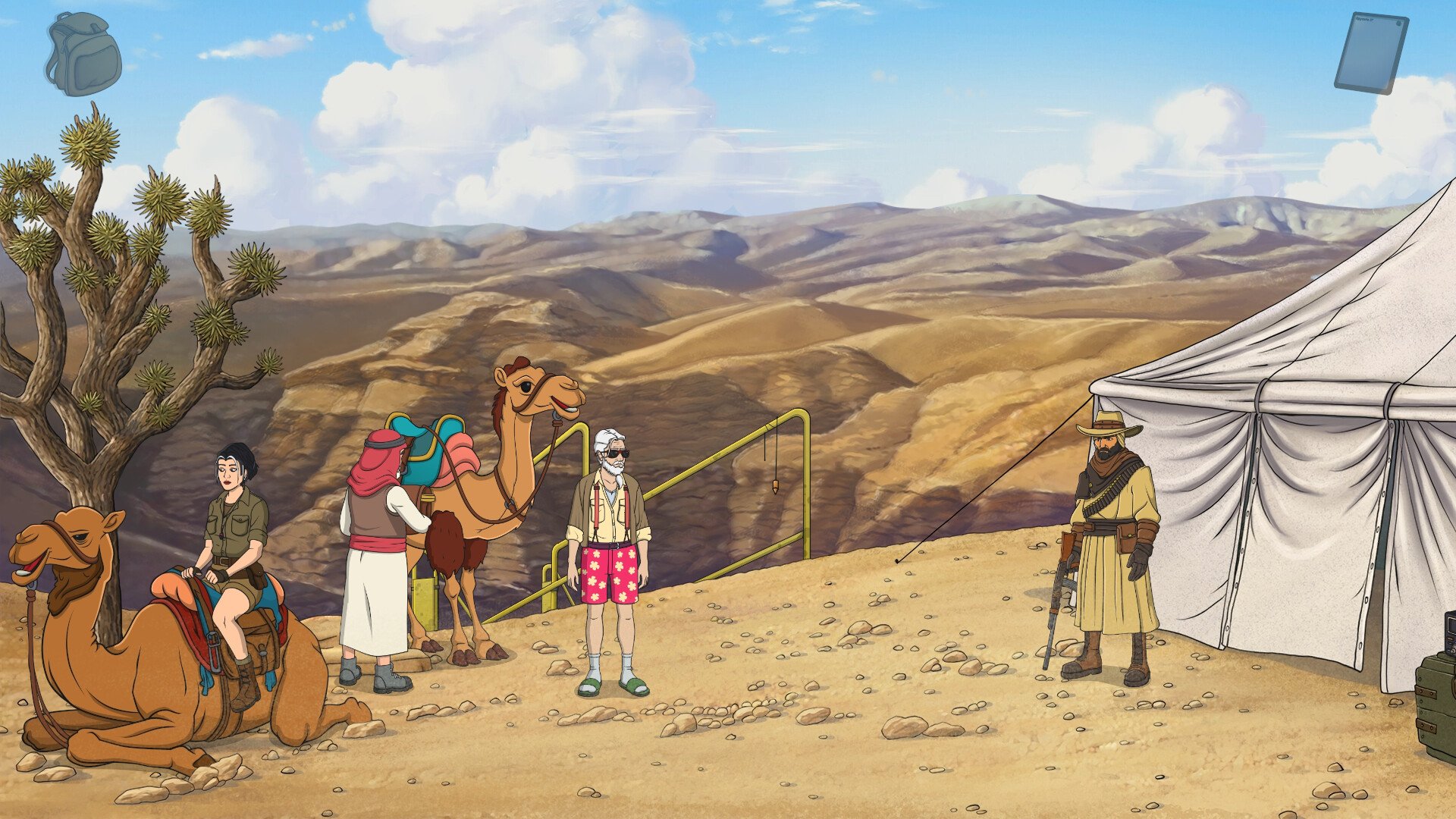
Stefano: Roots in the Sky is an epic globetrotting adventure. Players will once again step into the shoes of the outrageously over-the-top Lazarus “Lars” Bundy and the more composed and steady Alice Sharp. This time, the pair find themselves caught up in a case that will take them from Italy to Japan, by way of the desert of Jordan and the Indian forest, as they pursue a mystery as ancient as the Earth itself.
Intriguing new title. You do know that roots grow down, right?
Stefano: They don't! At least according to Plato: “And we should think of the most divine part of the soul as being that which is given to us by God as a guardian spirit; for this part dwells at the top of our body, and raises us from earth toward our kindred in heaven, since we are not earthly but heavenly plants.”
This quote was one of the starting points I used when I first began writing Roots in the Sky a few years ago. From there, I went on to study several mythical trees from different cultures, eventually choosing the Ashvattha from the Indian tradition.
At the same time, I had another theme I wanted to explore in the game, this time coming from Japan. I think one of the most interesting aspects of the game is the way these two legends eventually intertwine.
In The Hand of Glory, the fate of Lars didn’t seem to leave a lot of room for a sequel – or at least, not one starring him. But it appears you have him living up to his real name “Lazarus” after all.
Stefano: At the end of the first game, Lars realized he had a cult of fanatics on his trail, ready to do literally anything to recruit him into their ranks. After miraculously escaping what seemed like certain death, he came to another realization: from that moment on, anyone close to him would be in danger. And so he decided to disappear completely.
From my point of view I always knew Lars would pull off this move in the second game, and come back from the world of the dead.
From Alice's point of view, though... I'm afraid that, despite Lars's good intentions, she will not take this decision very well!
Lars is a bit of a strange bird. For those who haven’t played the first game, what’s his deal?
Stefano: In the past, he was a bona fide serial killer hunter with an exceptionally high success rate, which made him a little arrogant, albeit in an ironic way. Add to that a questionable sense of fashion and a constant stream of humor, which he uses to lighten even the most serious moments. Don't underestimate him, though: the clownish facade often serves to conceal the bloodhound underneath, the one who memorizes and analyzes every useful detail to solve his cases.
When I came up with the character of Lars, my biggest fear was that he might come across as a copy of George Stobbart, but after seeing how well he was received in the first game, I was reassured. Out of the primordial soup emerged a well-defined, multifaceted, intriguing personality, complete with his own obsessions and bizarre ways of doing things. When you think of him, don't you picture him shouting his own name while beating his chest?
How has he changed, if at all, in the intervening five years between story events?
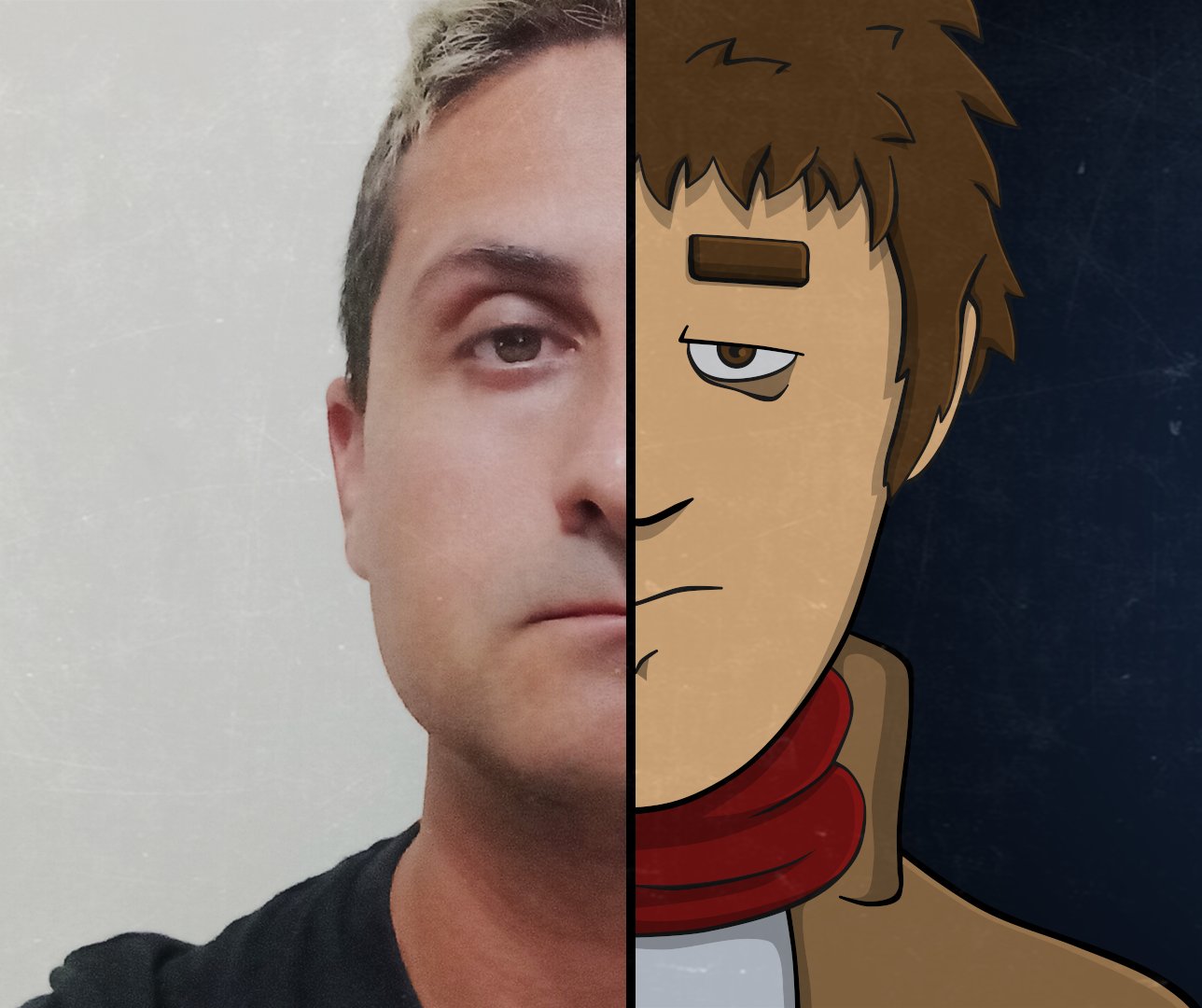
Stefano: Over the past few years, he has led a somewhat quieter life, away from murders and mysterious cults. I’d like to tell you that this has made him grow up, but honestly, I think he’s still the same goofball as ever! Just look at his new outfit, even more eye-catching than the one he sported in the first game. You know, over the years, a lot of people have asked me about the reason behind Lars’s name and his strange way of dressing, and in this sequel we’ll finally learn more about it. I’ve got a few scores to settle!
I also have to give a special mention to Matthew Curtis, Lars’s voice actor, whom we were lucky enough to have back. Some of the character’s most iconic moments come from his brilliant performance, and it inevitably had an influence on my creative process. By now, when I write Lars, I know not only what he would say in a given situation, but also HOW he would say it.
Alice Sharp is back, too, of course. What’s she been up to, and what role does she play the second time around?
Stefano: Despite the wild ending of the first game, Alice has had a brilliant career and has come remarkably close to the status Lars once held. No longer an intern, then, but a fully fledged detective.
She now has the means and the skills to be much more than a sidekick, and you can expect Alice to have a much bigger role in this second game. Of course, you can also expect the return of her kinesics, the mechanic she uses to analyze the suspects she interviews. Over the years, Alice has refined the technique, which is reflected in a new mode that has been completely redesigned from the ground up, a natural evolution of the one seen in The Hand of Glory.
Personally, I think Lars and Alice work incredibly well when they share the screen. He picks up whatever he can get his hands on and solves problems by instinct. She takes her time and looks for a more rational solution. He has few qualms about screwing someone over, while she prefers not to inconvenience others whenever possible. He’s chaos, she’s order. Their interactions were the most fun to write, but also the most tender.
Roots in the Sky tells an all-new story, but there are clear ties to the first one. What are some of the shared narrative strands that run through each?
Stefano: There’s an overarching storyline that began in the first game and continues into the second, particularly the thread involving the mystical cults that seem determined not to leave our heroes alone. Of course, you can also expect some of the loose ends from the first game to be tied up, as many players have been clamoring for. Don’t worry, I know exactly where I’m going with this story!
You can also expect some returning characters, such as Professor Lamberto Visconi, an internationally renowned cultural anthropologist. I loved his role in this second installment so much that I’m almost tempted to write a spin-off dedicated to him.
To be honest, as a huge fan of the Gabriel Knight series, the aspect I care most about is character development. I didn’t want Lars and Alice to remain stuck in time. I’ve always wanted to see them evolve in terms of their personalities, their personal growth, and their relationship with each other.
Is playing the first game pretty much a prerequisite for enjoying the second, or could players jump straight into the sequel?
Stefano: This is a question I get asked quite often, and I always try to answer as honestly as possible: the two games tell separate stories, each centered around a different case and a different legend. That means that yes, a player could approach Roots in the Sky as their first entry in the series and still enjoy the story being told. Of course, they would miss out on some of the overarching plot elements that would make the experience much more rewarding. So my advice is to play The Hand of Glory as well, perhaps by picking it up during a sale. It’s a rougher game compared to the second installment, but I still think it’s a really good and enjoyable title in many respects.
As before, the new game partly takes place in your own backyard. Well, not your actual backyard; that would be awkward. I mean the lovely city of Rome.
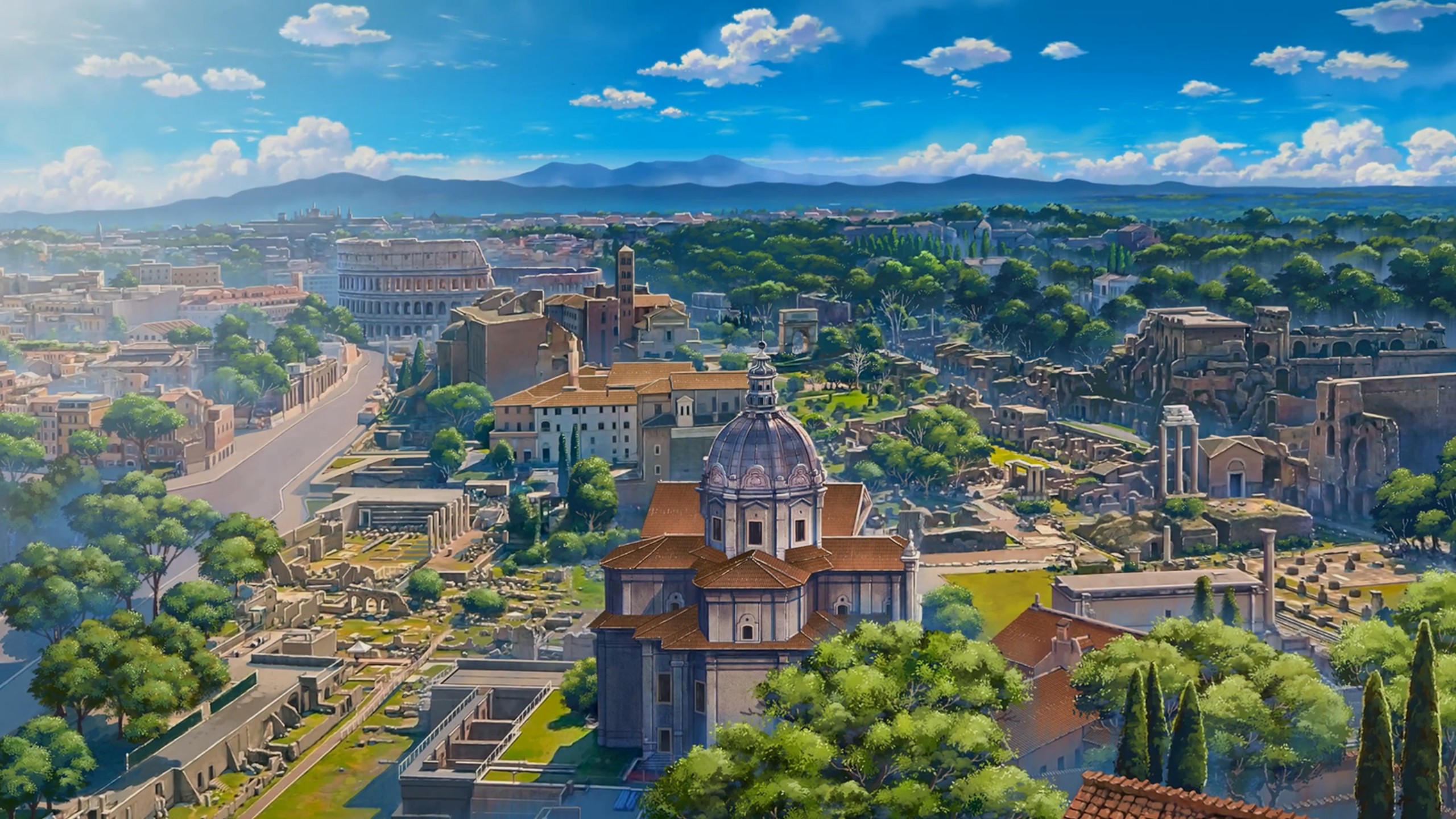
Stefano: I’ve always wanted to write a love letter to my city, but back when we were developing the first game, I didn’t have the technical means to do it justice. Having a little bit of extra budget finally allowed me to make that dream a reality. Many people will think that the opening panorama of Rome is a shameless nod to the iconic opening of the first Broken Sword, but in reality, it’s a piece of my heart.
And to be honest, you can actually catch a glimpse of my backyard in the game: the view from little Lars’s window is based on the one I used to see as a child!
But we don’t stay in Rome. In fact, doesn’t this game rack up more frequent flyer miles than the first?
Stefano: Players who got the chance to try Roots in the Sky in advance almost always told me they found it even longer than the first game. In reality, I think it's slightly shorter, but it just FEELS longer. That’s because we visit a ridiculous number of locations: alongside Rome and a few “special” locations, we have the scorching yet fascinating desert of Jordan, the imposing and mysterious Indian jungle, and Japan seen from a very different perspective than the one you’re used to. It’s a vibrant journey, packed with characters, tons and tons of ideas, and vistas that will stay with you.
On top of that, this pushed us to create an incredible soundtrack, with a huge variety of sounds and musical styles. I think my trusted and returning musician, Carlos Leal Valladares, must have hated me given the sheer number of requests I threw his way. But he did an outstanding job, and I can’t wait to release the soundtrack.
Apart from the story and settings, how is the new game similar to the first, and in what ways is it different?
Stefano: It has the same soul as the first game. The atmosphere is light, the colors are vibrant, the music is uplifting. And yet that underlying sense of nostalgia and that dark undertone are still there. The Hand of Glory series leans heavily into this contrast. Not everyone will appreciate it, but those who do will truly love it.
There are some obvious technical differences, and I think the project has taken huge leaps forward. I’m not just talking about the graphics, either. The experience allowed me to approach every single aspect more effectively: the writing is more confident, the direction is more polished, and the music is perfectly integrated.
And there's a new baddie this time!
Stefano: Yes, Noritaka Kimura. In The Hand of Glory, I didn’t need a perfectly fleshed-out villain, because my main focus was on Lars and Alice. Radwed was simply a rival, a classic megalomaniac whose only role was to set the plot in motion and thoroughly annoy the player. For Roots in the Sky, I wanted Nori to be at the heart of the story.
Ask yourself a question: what would you be willing to do to undo the greatest pain of your life? Chances are, you’d hear a little voice inside you answer: “ANYTHING.” Nori is what would emerge if you listened to that little voice. A different kind of villain, with understandable motivations, determined and willing to do anything except give up his honor.
I don’t want to spoil anything, but I think the confrontation between Lars and Nori is going to be thrilling.
Still lots and lots of puzzles?
Stefano: Clearly, this is still one of the hallmarks of the first game. Expect plenty of scenes to explore at the same time, with lots of objects to pick up, combine, and use in unusual ways.
One criticism I heard from time to time about the first game was that the difficulty wasn’t particularly challenging. I think this second installment is slightly more difficult, but without going overboard. My main goal isn’t so much to design puzzles that block the player as it is to create puzzles that stimulate them. I want the player to be doing lots of things, to keep the experience dynamic, and above all, to have fun.
The first game was very ambitious, and the sequel looks to be as well. It seems you didn’t get the memo that modern adventures are getting shorter and easier, as you seem to be going in the other direction.
Stefano: I’m fully aware that nowadays, offering a two or three hour adventure wouldn’t be considered a flaw. In fact, I think I might experiment with that kind of format in the future, since I’ve played several shorter experiences that have nevertheless stayed with me. It really depends on what you’re trying to communicate, though. The Hand of Glory series has a grand scope. It needs to convey a sense of adventure, the epic scale of a majestic journey. If I didn’t stay true to those principles, I’d be doing a disservice to the series and its fans.
Are you still handling most of the game’s development yourself? You’d never guess it to look at it.
Stefano: I am. I did the writing, the design document, the characters, the programming, and the animation. Just like with the first game, Carlo de Rensis and Cristiano Caliendo helped me refine the game design and the writing, and they did a marvellous job as always. And I can't play a single note, so I needed Carlos Leal Valladares for the music. Kudos to our new addition, Anton “Hauptmann Artwork” Nugroho, who helped me with the backgrounds. I did the drawings for most of the scenes, but he gave them that extra touch of magic with his brilliant colours.
I have this weird dream of earning enough money to afford an entire team for the next game. I'm starting to get old, you know!
I think we can all relate. Has the design of Roots in the Sky evolved at all as you’ve grown as a developer?
Stefano: In these past few years, I’ve learned a thing or two about game design. The Hand of Glory was cool and funny, but there are some sections that were driven more by ingenuity than by good design. Take the whole part where you have to prepare some meatballs. It really doesn’t make sense in a detective game! I remember having a lot of meetings to decide whether to cut that part or not. Eventually, we decided to keep it because during the first playtests, we noticed that people were really enjoying that section. But to be honest, nowadays I’d cut it completely and stick to the detective work.
So yeah, I’d say the design in Roots in the Sky is more focused. You’ll still do some weird stuff from time to time, but, you know... Lars is still Lars!
I also tried to come up with puzzles built around their own particular logic, rather than relying on the usual point-and-click clichés.
How do you approach the balance between humour and exploring darker, more mature themes in these games?
Stefano: I don’t really like it when there’s a clear distinction between seriousness and fun. I often come across games that are excessively dark, or games that try to make you laugh constantly. I’m not criticizing these approaches in general, of course. I’m just talking about my own tastes. I prefer humor that emerges naturally, the way it does in everyday life. My nationality probably helps in that regard: here in Italy, we’re not the buffoons we’re sometimes portrayed as. It’s just that we’ve cultivated and mastered the art of lightening the mood and laughing in the face of adversity.
Often, the darker themes come from the characters I choose to talk about. I’ve tried to give the supporting characters a lot of care and attention. I don’t want them to be nothing more than tools for building game design puzzles. So you’ll meet people with their own troubles, people struggling with their inner demons. I think that in a large-scale experience like Roots in the Sky, there’s just as much room for laughter as there is for tenderness.
I have to say, the more melancholic themes come naturally to me because I’m a nostalgic person by nature. I love nostalgia. I bathe in nostalgia. I already miss the question I answered a little while ago. Those were the days.
On the flipside of nostalgia, I'm going to ask you to look ahead by answering “what’s next?” But to narrow it down a little, you mentioned after the first game that you were toying with another idea outside of the Hand of Glory universe before returning to it after all. Could we see that detour next, or can we look forward to more adventures of Lars and Alice?
Stefano: I’m not quite sure at the moment. The only thing I can tell you with some certainty is that Lars and Alice will have to wait for a possible new adventure, because I’d like to experiment with new narrative genres and visual styles.
The project I started writing at the end of The Hand of Glory is still there, ready to be developed, and it still seems like a great idea to me. But the problem with embarking on a development cycle as long as Roots in the Sky is that, in the meantime, other ideas come along, fresher ones, perhaps closer to what you feel like talking about at that particular moment. For a while now, I’ve been toying with the idea of developing a noir title with a strong visual identity. What holds me back is the fact that writing is a violent process by nature: I might end up drinking a little too much whisky in an attempt to get into the right mood!
And there’s an adventure from my childhood that I’d really, truly love to bring back in a modern form. I’ve already spoken to the original authors, and they seem quite open to the idea. We’ll see!
In the more immediate future, when and where can we expect Roots in the Sky: The Hand of Glory 2?
Stefano: Very soon, I’d say! Roots in the Sky is coming out on August 26, and at the moment I can tell you that it will be released on PC through Steam, GOG, and itch.io for Windows, Linux, and macOS. You can also expect a great experience on Steam Deck, if you happen to own one. And of course, we’ll be coming back to Nintendo Switch as well. Aaaand... we might have some more surprises in store for the future!
That’s much too close for comfort, so I better not hold you up any longer. I appreciate your time, Stefano, and wish you all the best with the new game. Before we go, the final word is yours!
Stefano: Thank you for having me here!
To everyone who has supported me on this difficult journey, and to everyone who will put their trust in me when the game comes out, I just want to say thank you. I’ve poured so much of my heart and soul into Roots in the Sky, and I hope that, as you play it, you’ll be able to feel all the passion I have for the genre. Viva l'avventura!

- Advertisement
- Help support AGH by advertising with us






3 Comments
Want to join the discussion? Leave a comment as guest, sign in or register in our forums.
Very excellent interview. I have sadly not even played the prior game yet, but now I really want to, to get ready for the sequel!
Reply
The previous game (apart from cutscene graphics that show the characters from the front :D) is really good and really long. So good that I kickstarted the 2nd part. Can't wait to play it on my vacation in September. :)
Reply
Loved the first game, so really looking forward to this one!
Reply
Leave a comment