
Why Double Fine Unionizing Matters More Than You Think
- 0 Comments
When I heard that Double Fine is unionizing, my heart and my brain both had different reactions. My underdog heart saw it as a win for workers, but my brain began arguing with it over how this all transpired and what this means on a bigger scale.
To understand why, it’s important to recognize who and what Double Fine is.
Tim Schafer and the other members of the Double Fine family aren't part of some AAA studio doing AAA studio things. Double Fine offers us something rare: a game development company, coming from humble beginnings, that made it pretty big but still pushes weird ideas and takes risks. Adventure Game Hall of Fame inductee Schafer doesn’t walk into a board room wearing a tie, if you know what I mean.
Soooo, if these guys feel enough pressure to organize, then maybe we should look beyond the what and think about the why. Maybe we should officially be scared about the future of gaming, because it’s no longer just the big guys being affected. Now it’s our guys. This matters because….
Double Fine Was Built as an Escape from Corporate Game Development
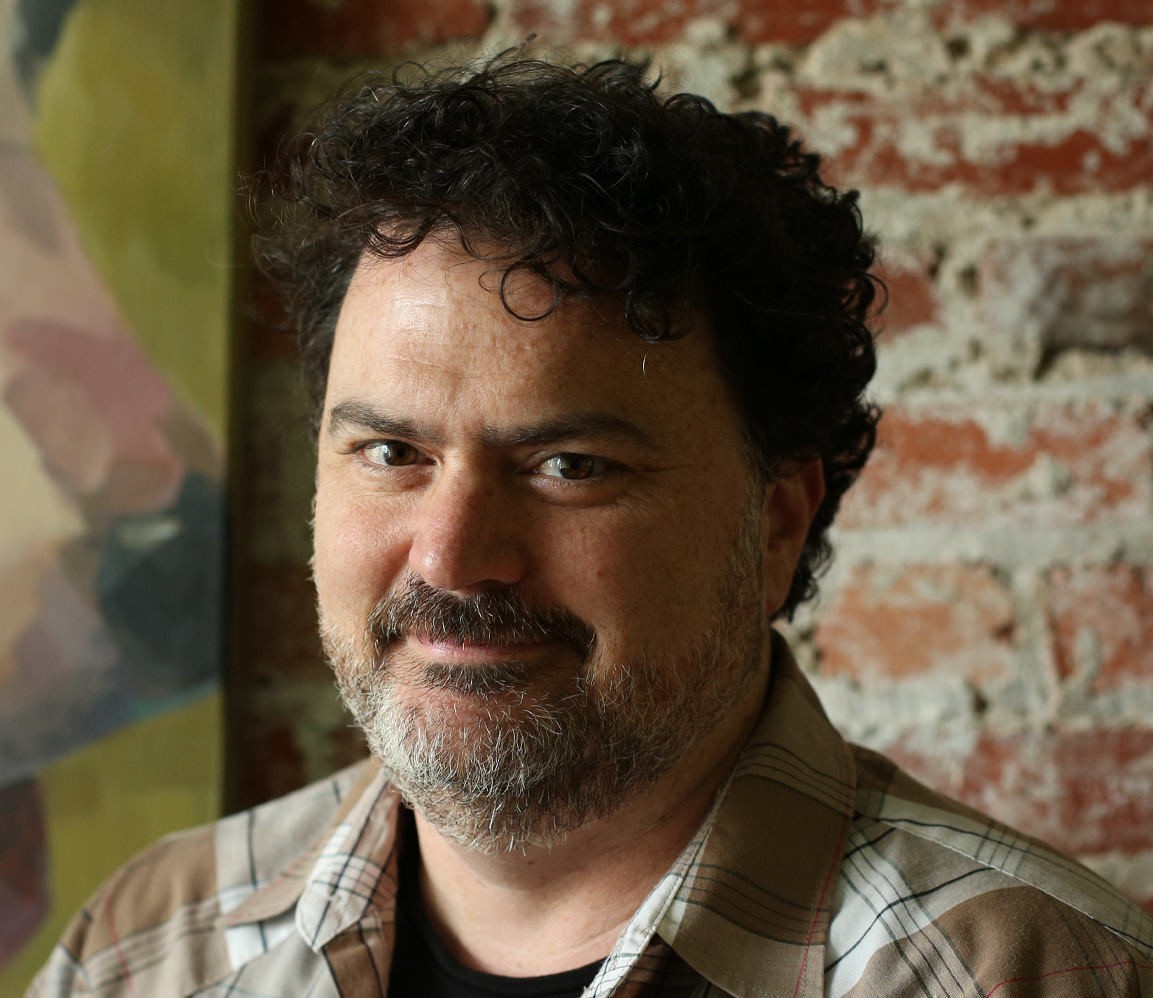
Tim Schafer didn’t create Double Fine just because Double Fine is a cool name (though it is). He was a rock star game dev at LucasArts, but he left during a period when many developers were frustrated by corporate Darth Vader force-choking the creative life out of their games.
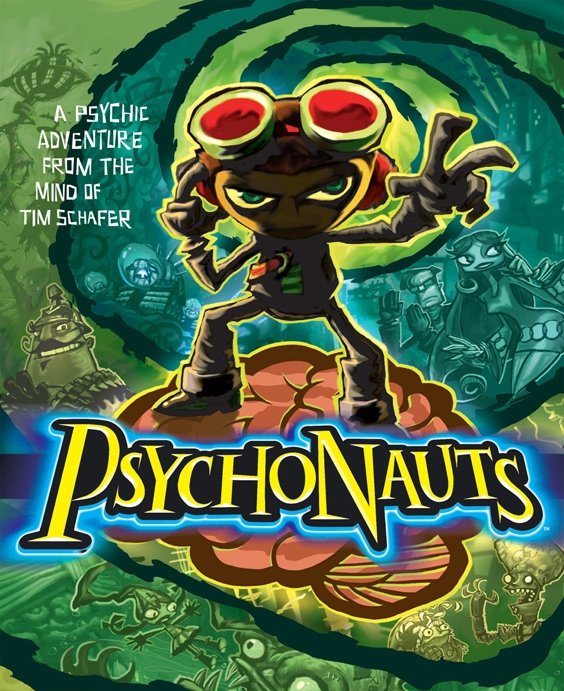
Double Fine became the antidote to that. This was the studio behind Psychonauts, Brütal Legend, Stacking and more. This was Tim Schafer being Tim Schafer, a creative guy who makes weird games (in a good way) on purpose, surrounded by other talented, like-minded creatives such as artist Lee Petty. They made handcrafted games with something Darth Vader didn’t have…HANDS. Just kidding. LOVE. The answer is love. Schafer loves building unique characters and unique worlds – the types of games that are hard to justify financially in an industry that’s obsessed with knocking out low-risk “bangers.” (Imagine that word dripping with sarcasm.)
For adventure game fans especially, Double Fine became proof that creative, narrative-focused games could still survive. That’s why the Double Fine Adventure Kickstarter (later renamed Broken Age) became so historic. As fans, we weren’t just funding a small-scale point-and-click adventure from a trusted designer. We were funding the idea that smaller, story-centered experiences still mattered to us. Buuuuut…..
The Industry Changed at Rapid Speed
Whelp… Here we are in 2026, and the game industry went as industry goes. Big and bad. And by big and bad, I offer Telltale and The Wolf Among Us 2 as an example of what has happened.
Studios are larger. Budgets are larger. Expectations are larger, and despite record revenues across gaming as a whole, everything else has gotten smaller, and not in a good way. Layoffs are the norm and internal deadline windows have gotten shorter.
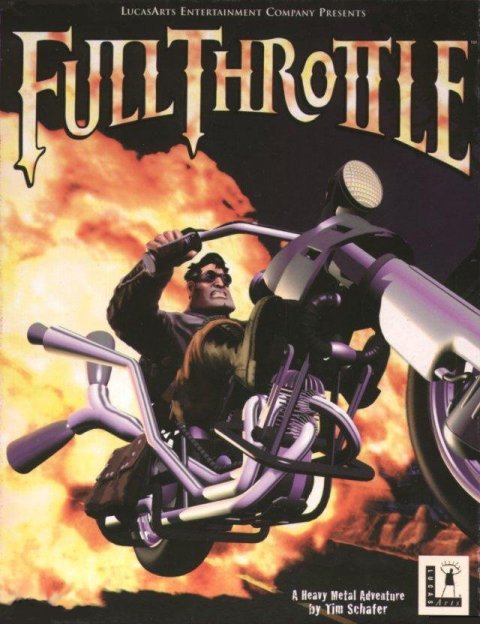
Microsoft alone has gone through wave after wave of restructuring and cuts over the last several years. They have purchased studios like you and I purchase video games – Double Fine being one of those purchases. Buy buy buy, but then what? Entire studios have been shut down. Teams have been reduced. Projects have vanished.. Good projects. Projects that had in the past been considered successful by any measure, and by anyone besides the suits. Anyone who has played one of Tim Schafer’s earlier games – Full Throttle – will see the irony. Cash over everything else.
Even popular, highly acclaimed studios are not “safe.” And that’s what makes Double Fine unionizing feel significant.
If a studio like Double Fine feels the need to organize, then the problems are officially close to home now. It’s not just the big boys bragging about their release being the first “AAAA game” (we’re looking / laughing at you, Yves Guillemot). Maybe I’m naïve, but it's clear that the anxiety inside the industry runs deeper than I thought. AA too, even small indies. This is normalized instability at all levels. What’s even more alarming is that…
The Bigger Fear Isn’t Just Layoffs
For narrative-focused studios, it's not just about making a living. It’s living.
Story-driven games have an uncomfortable place at the modern publishing table. They may earn critical praise and loyal fan bases, but they don’t exactly earn the trust of corporate financial backing. Small to mid-budget games with soul? No cost cutting or speed-accelerating AI? With all of the mergers and acquisitions in the industry, these are the first games to get squeezed.
Sooooo….
How does a creative indie developer like Tim Schafer create something that is inherently viewed as risky within an industry designed to avoid risk altogether? That’s part of why Double Fine unionizing made me pay attention. Something valuable has been disappearing from modern gaming, and studios like Double Fine are among the last of an era where originality mattered more than scalability. Whether people support unions or not, this is yet another reminder that this isn’t all fun and games. This is business.
Microsoft Is Quietly Becoming a Unionized Gaming Giant
Another reason this story matters is that Microsoft now has multiple unionized gaming teams under its umbrella. That would have sounded almost impossible 15 years ago. Heck, even 10 years ago.
For years, game development was notorious for crunch, instability, and burnout. Unlike the film industry, it was mostly left unchecked. No union? No power, they say. Now some of the industry’s biggest studios are being forced to change course. Whether that ultimately improves conditions remains to be seen, but the shift itself is historic. Honestly, it feels like the industry is still trying to figure out what comes next.
A Cautionary Tale to Up and Coming Game Devs
When one of gaming’s most beloved, once indie, creative studios decides it needs additional protection to secure its future, that says something important about the future of all gaming studios. Small studios hope to get bigger. They want to feed their children and keep making games they love. Big studios see them as potential adversaries and simultaneously as possible marks to add to their portfolio. The allure of financial security is enticing, but is selling out to these mega-studios actually secure? Double Fine doesn’t seem to think so.

- Advertisement
- Help support AGH by advertising with us




0 Comments
Want to join the discussion? Leave a comment as guest, sign in or register in our forums.
Leave a comment