The Best Adventure Games of 2000 - 2025
- 28 Comments

A quarter century is a long time for a lot of great adventures to come out. And so, as we approach a momentous milestone, what better time to reflect back on 25 of the most wonderful gaming experiences of the last 25 years!
Think the genre really “died” with the end of its Golden Era? That couldn’t be further from the truth! A few down years to mark the turn of the millennium, sure, but ever since it’s been full-speed ahead. Perhaps not as big-budget industry leaders anymore, but rather propelled by the excellence of smaller developers working with lower budgets and restrictions that demanded greater creativity, and the genre became all the richer for it.
A list of 25 games might sound like a lot, but it really isn’t when you stop to recall all the fantastic releases in that time. The staff of Adventure Game Hotspot nominated over 270(!) games in our first round of voting, and paring the list down only got ever more difficult from there.
Worth noting is our criteria for making our selections. To be eligible, a game had to have been launched in 2000 or later (sorry, The Longest Journey, which just barely missed the cut), and only original releases were considered. (No remakes.)
Just as importantly, rather than heavily weighting a game’s historical legacy, we’ve focused primarily on the quality of the individual games on their own merits. Many of the best games are highly influential as well, but that wasn’t a main consideration, leveling the playing field for newer games to compete. Some games were just TOO new to benefit from equal consideration (sorry, Dispatch and The Séance of Blake Manor), but the clock was ticking.
Of course, everyone’s definition of “adventure game” is a little different. We’ve included titles with some cross-genre elements, but all display a fundamental reliance on the genre’s three pillars of story, exploration and puzzles over combat and action. If you’re looking for Zelda, Uncharted or The Last of Us, you won’t find them here.
So, here we go: Adventure Game Hotspot’s Top 25 games from 2000-2025! Agree? Disagree? A little of both, somewhere in between? Join the club! That’s how all of us feel too. And isn’t that the fun? The genre kicked some serious butt in the last 25 years, with SO many great games to celebrate!
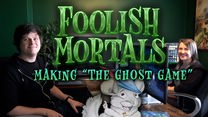
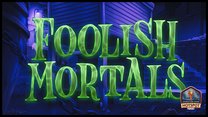
#25 – Foolish Mortals
We know what you’re thinking, right off the bat: recency bias! And yes, Foolish Mortals is so new the ink has barely dried on its lovely hi-res hand-drawn animations. But sometimes, when you know, you know. Greatness doesn’t always need years of reflection to reveal itself, and this is one of those times. Leave it to a former theme park designer – and his equally talented wife – to take us on one of the most thrilling rides in adventure game history. What David and Sophie Younger and their Inklingwood Studios have done with their very first adventure is phenomenal.
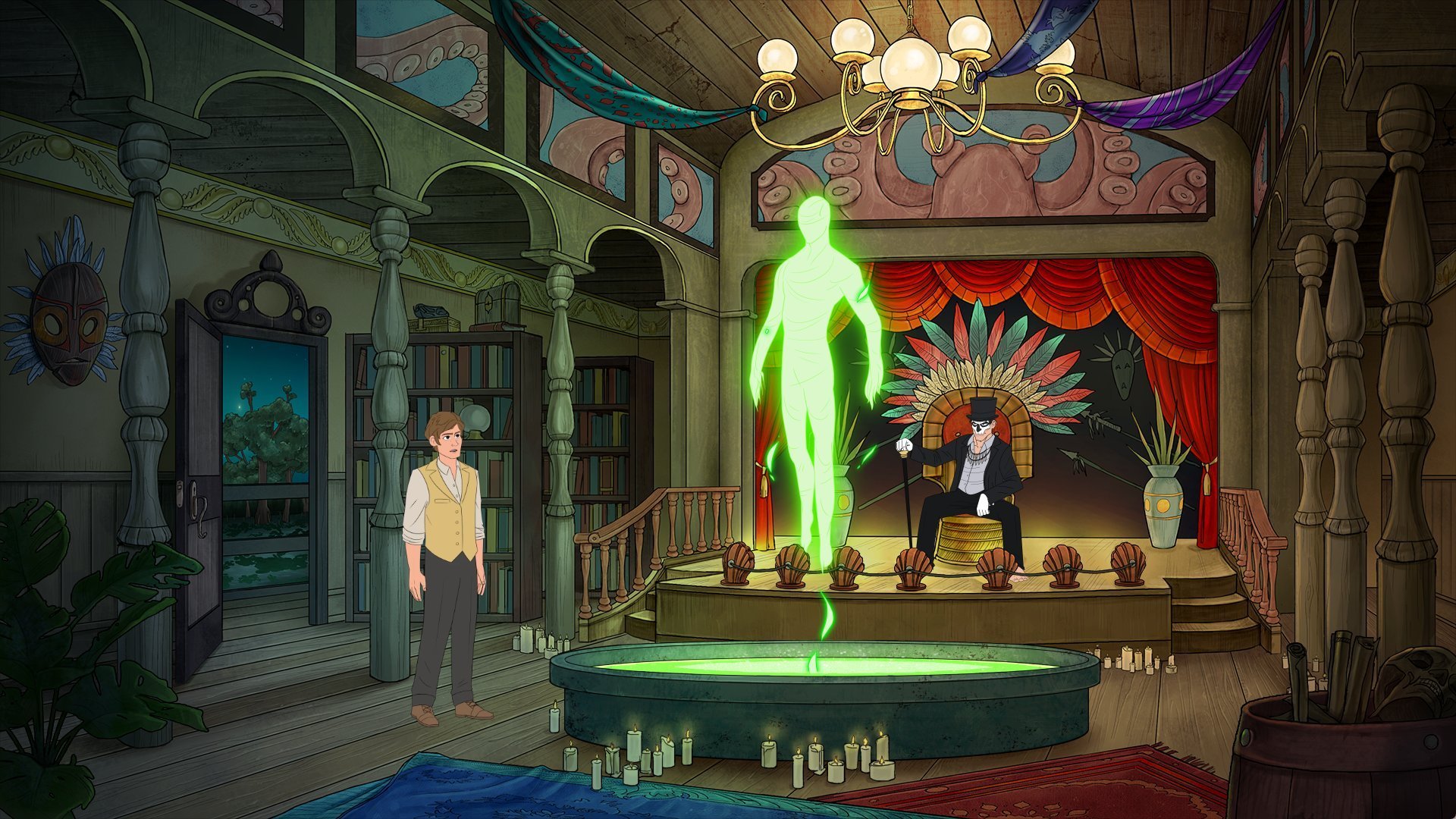
When auditor (and secret treasure hunter) Murphy McCallan arrives on the island of Devil’s Rock off the coast of Louisiana in 1933, 33 years after an ill-fated wedding party ended in all parties disappearing without a trace, it launches a “merry & macabre” point-and-click mystery filled with ghosts, voodoo, a touch of whimsy and a whole lot of adventuring fun. What doesn’t this game do right? It’s got excellent voice-overs, a wonderful movie-like soundtrack and more thoughtfully constructed puzzles than you can shake a gris-gris bag at. The engaging supernatural story unfolds in a smooth and steady rhythm, with lots of characters and great dialogue, along with all the little player-friendly flourishes you could ask for serving as a bow on top. We know NOW that this game is going to go down in genre history as a modern classic.
#24 – The Book of Unwritten Tales
The Book of Unwritten Tales, by German studio KING Art Games, is both a gleeful riff on fantasy tropes and an engaging story in its own right. Stop us if you've heard this before, but when an artifact of awesome power is uncovered by a literal McGuffin (archaeologist Mortimer), a ragtag band of unlikely adventurers embark on a mission to save it from the forces of darkness. There's Wilbur, a gnome of short stature with a magical ring to transport; Ivo the aloof, immortal elf; swashbuckling captain Nate, who's all about the gold and glory; and his tall, hairy Critter partner – all four of them playable at different times. It's like the developers took The Lord of the Rings, Star Wars, and Monkey Island and threw them in a blender. It's all very tongue-in-cheek, however, and told with such warmth and heart that you can't help but be thoroughly charmed, and the game does settle in to become very much its own thing as you progress.
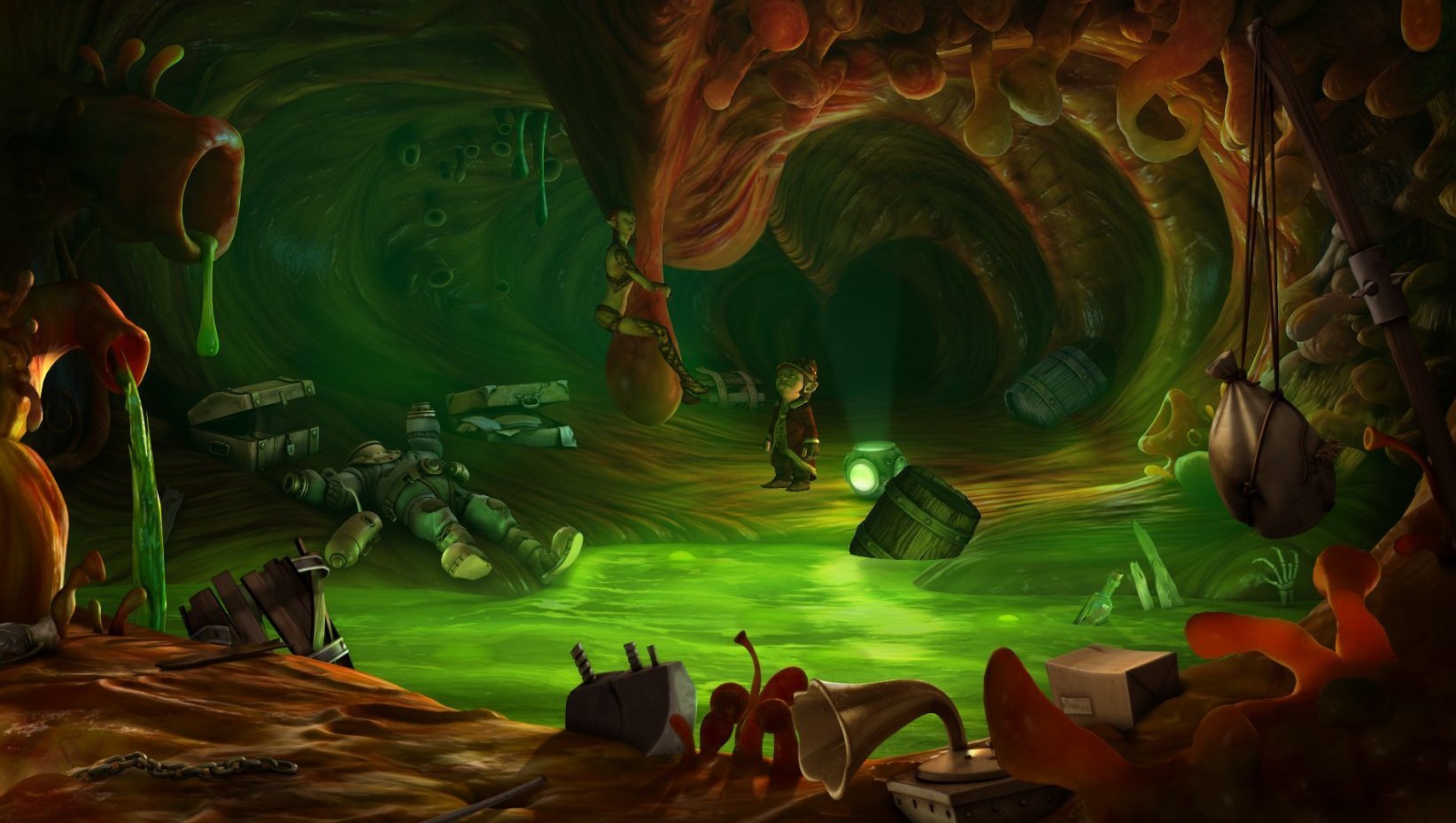
Epic in scope and gorgeous to look at, The Book of Unwritten Tales is packed with eccentric well-voiced characters, whimsical fantasy locations, and quirky quests galore. Two shopkeepers are obsessed with the grindy tax return quest chain in hit MMO World of Bureaucracy, despite the server's actual bugs, while a rat in a tiny Zorro mask tries to redistribute the wealth, and Ivo has some serious questions about dragon aerodynamics. With snappy dialogue, endearingly flawed heroes, and a deep affection for everything it lampoons, this game came as a breath of fresh comic air that few games can surpass, including its own subsequent prequel and sequel installments.
#23 – Kathy Rain
Clifftop Games’ Kathy Rain introduced us to one of the adventure genre’s best protagonists and most enthralling mysteries to date when Kathy, a journalism student who’s been away at college, returns to her hometown for her grandfather’s funeral and learns about an incident that left him catatonic before his death. Set in the 90s, the sleepy town of Conwell Springs is full of atmosphere. Every environment is a visual pixel-perfect delight, from the rainy countryside Kathy traverses on her motorcycle to the cozy dorm room she shares with her best friend and narrative foil, Eileen. Composer Daniel Kobylarz’s ambient soundtrack provides the ideal backdrop for puzzling one’s way through this moody point-and-click, and the stellar voice acting was directed by Wadjet Eye’s Dave Gilbert.
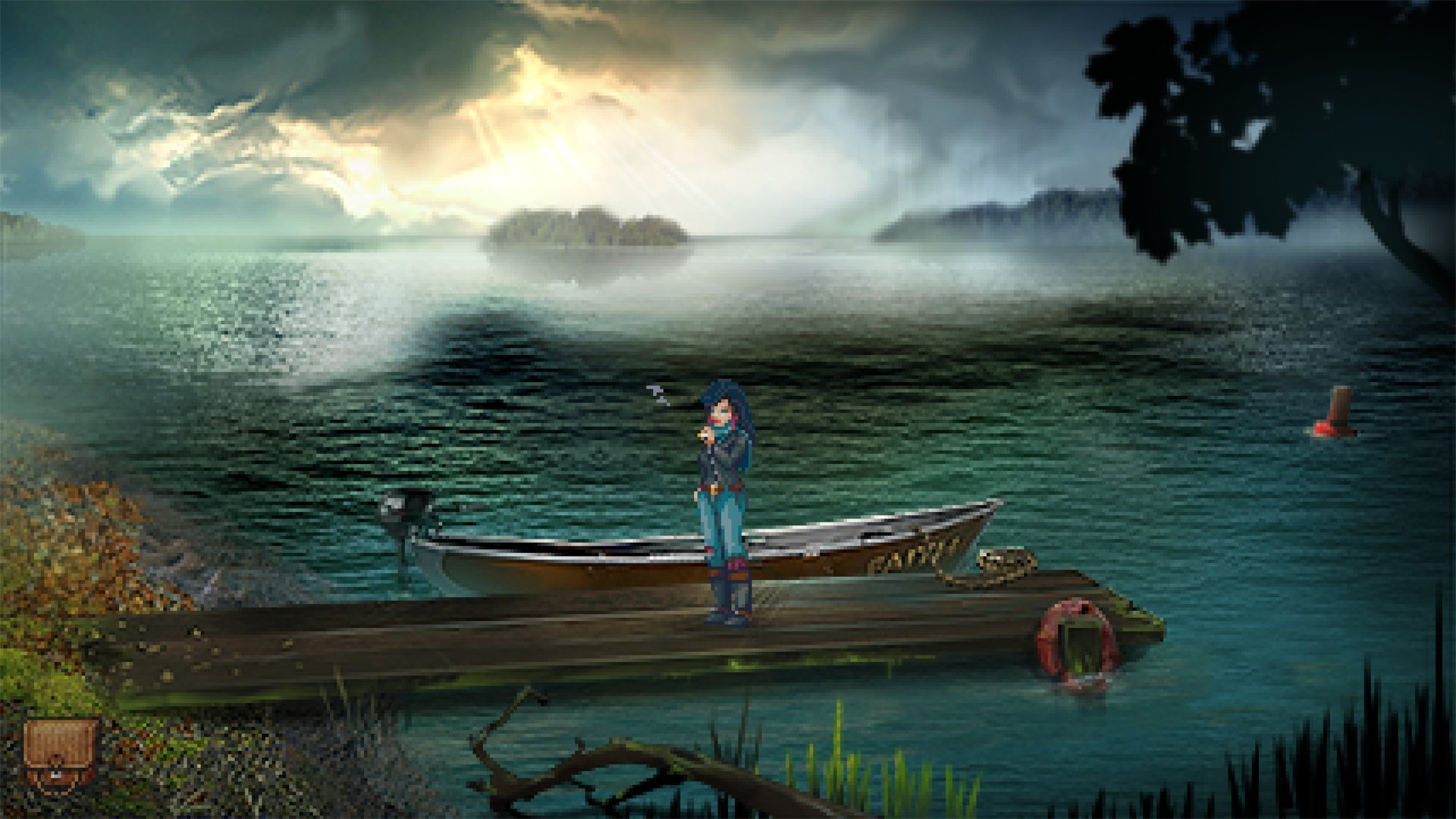
As the protagonist, Kathy is a complete success – whip-smart yet realistic, making her at once the resourceful heroine and the emotional heart of the investigation. The story will pull you in with expert pacing as her past unravels before her eyes, with a conclusion that rivals some of the most acclaimed horror media. The original version of Kathy Rain left us immensely satisfied yet longing for more of this heroine’s world, which the developer provided with an enhanced and expanded "Director's Cut" five years later, followed by a full-fledged sequel later on. Here’s hoping this isn't the last we've seen of our favorite biker since Ben Throttle!
#22 – Still Life
Microïds Canada had an impressive run in the early 2000s that ended all too quickly, but the studio certainly went out with a bang – literally. Still Life radically overhauled the approach of its predecessor, Post Mortem, to become one of the grittiest detective mysteries ever made, tracking not one but two serial killers (unless somehow the same?) across two very different times and places. Stoic FBI Special Agent Victoria McPherson is tasked with investigating a series of gruesome murders targeting sex workers in Chicago in 2004, which are eerily similar to a case her grandfather Gus McPherson worked in 1920s Prague.

As the focus alternates between the bleak urban modern world and the dreary but more picturesque European backdrop, Still Life handles its fictional crime stories like a masterclass in dark, mature storytelling. It oozes with neo-noir atmosphere that feels palpable, slowly increasing tension and enveloping players in the grimy underbelly of society rather than relying on cheap thrills. The connections between the dual timelines only add to the intrigue, and the low lighting and moody ambience feel uncomfortable and unsettling as you weave your way through a psychologically haunting tale of obsession, death, art and power. And just wait until you find out whodunit (or not?).
#21 – Life Is Strange
There’s no denying that Don’t Nod’s Life Is Strange impacted the gaming landscape when it first released in 2015. It continued to popularize episodic choice-based games; was ground-breaking in its LGBTQ+ representation; and amidst an abundance of action-first games, it was refreshing in the way it lingered in quiet, mundane moments. Yes, the story is about a teen girl acquiring supernatural powers to prevent the violent death of her childhood best friend, but we became equally invested in the smaller relational and slice-of-life dramas: the high school gossip, the (potential) budding romance between Chloe and protagonist Max, whether to order a bacon omelette or Belgian waffle at the local diner.
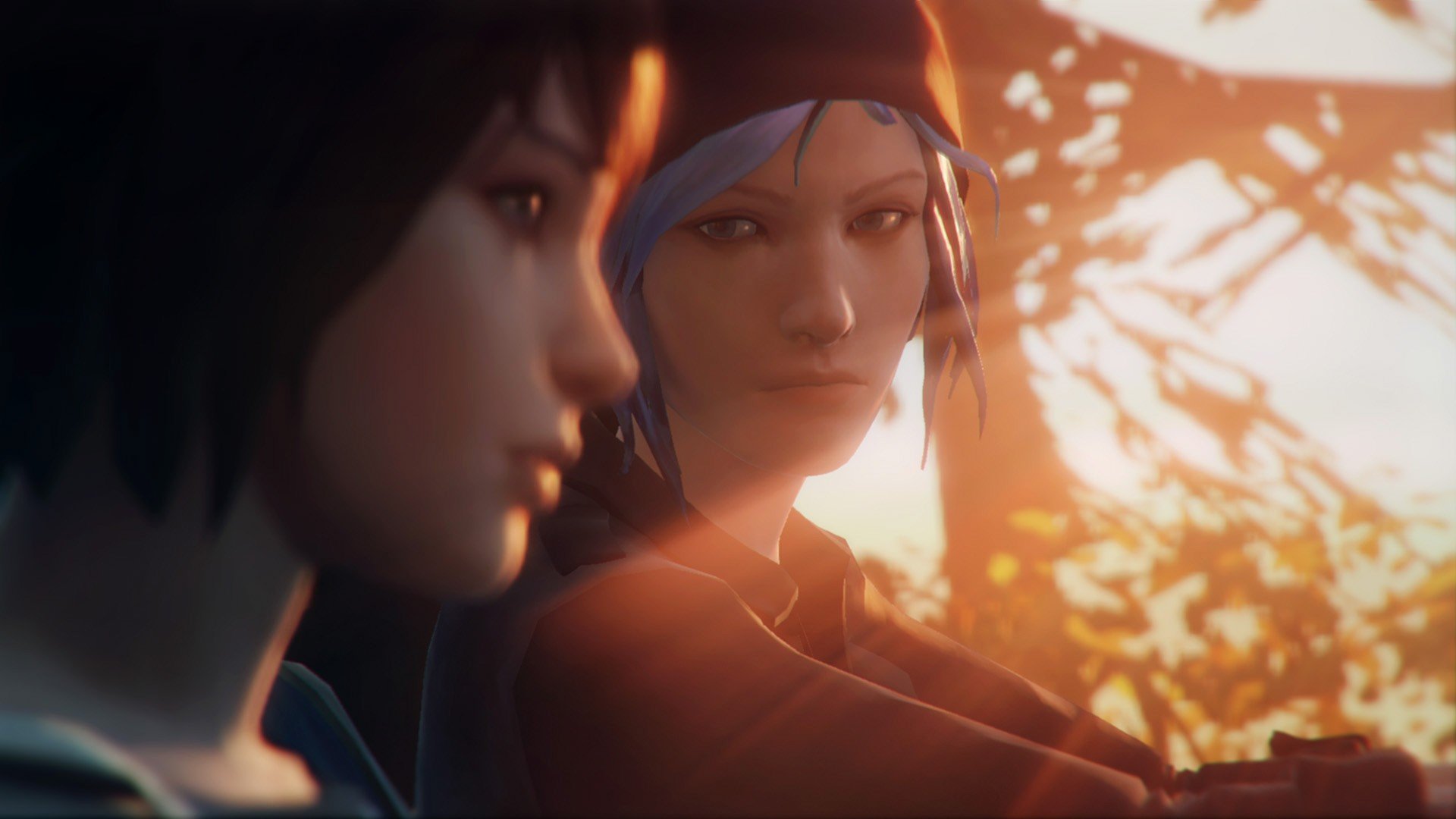
With superb voice acting and production values, Life Is Strange is a game that makes the everyday, ordinary decisions feel just as important as the world-altering ones, such as Max using her powers to save a fellow student from getting hit in the head by various accidental projectiles (soccer balls, toilet paper rolls, etc.). Despite – or rather, because of – the occasionally cringy dialogue, the cast of characters feel authentic and compelling, making the weighty choices and moments of tragedy even more poignant. Couple that with a time-travelling mechanic that’s fun, tactile, and well-implemented, and you have an unforgettable gaming experience that even its own successors have yet to top.
#20 – Phoenix Wright: Ace Attorney
Hold it! No countdown of the genre’s best would be complete without at least one Ace Attorney title on the list, and what better choice to represent the franchise than the game that began it all? Capcom’s Phoenix Wright took the gaming world by storm on the Nintendo DS by adding an engaging layer of investigative interactivity to the usual visual novel format: scour crime scenes for clues, then put them to use in court to prove your clients’ innocence. The inexperienced titular defender proves to be a worthy protagonist as he faces off against a series of savvy prosecutors like Miles Edgeworth by exposing contradictions in witness testimony on the stand. The only thing sharper than his hair is his intuition!

Despite the many murders to solve here, the game’s cartoonish suspects, colorful graphics, and quirky dialogue keep things lighthearted, if not full-on kooky at times. It may not seem like grim deaths and silliness would go well together, but it turns out they surprisingly do. Even better, though, are the game’s more serious moments. Each case is a complex mystery that requires logic, reasoning, and observation to crack. The self-contained storylines are plenty thrilling on their own, but the best parts are the pieces of an interconnected narrative woven throughout them, laying the groundwork for what would become one of the greatest game series of all time.
#19 – Loco Motive
You don’t win Adventure Game Hotspot’s top honor as game of the year without good reason. And in 2024, Loco Motive gave us so. many. reasons. The debut adventure from Robust Games is a hilarious whodunit on a moving train with delightful pixel art, beautiful close-ups, fantastic jazz soundtrack, brilliant voice cast, and meticulous animation, each screen bobbing ever-so-slightly up and down to simulate the movement of the Reuss Express. But when the train’s wealthy owner winds up knifed to death in a moment of darkness, the killer still trapped somewhere on board, there’s a deeply immersive mystery to solve as well.
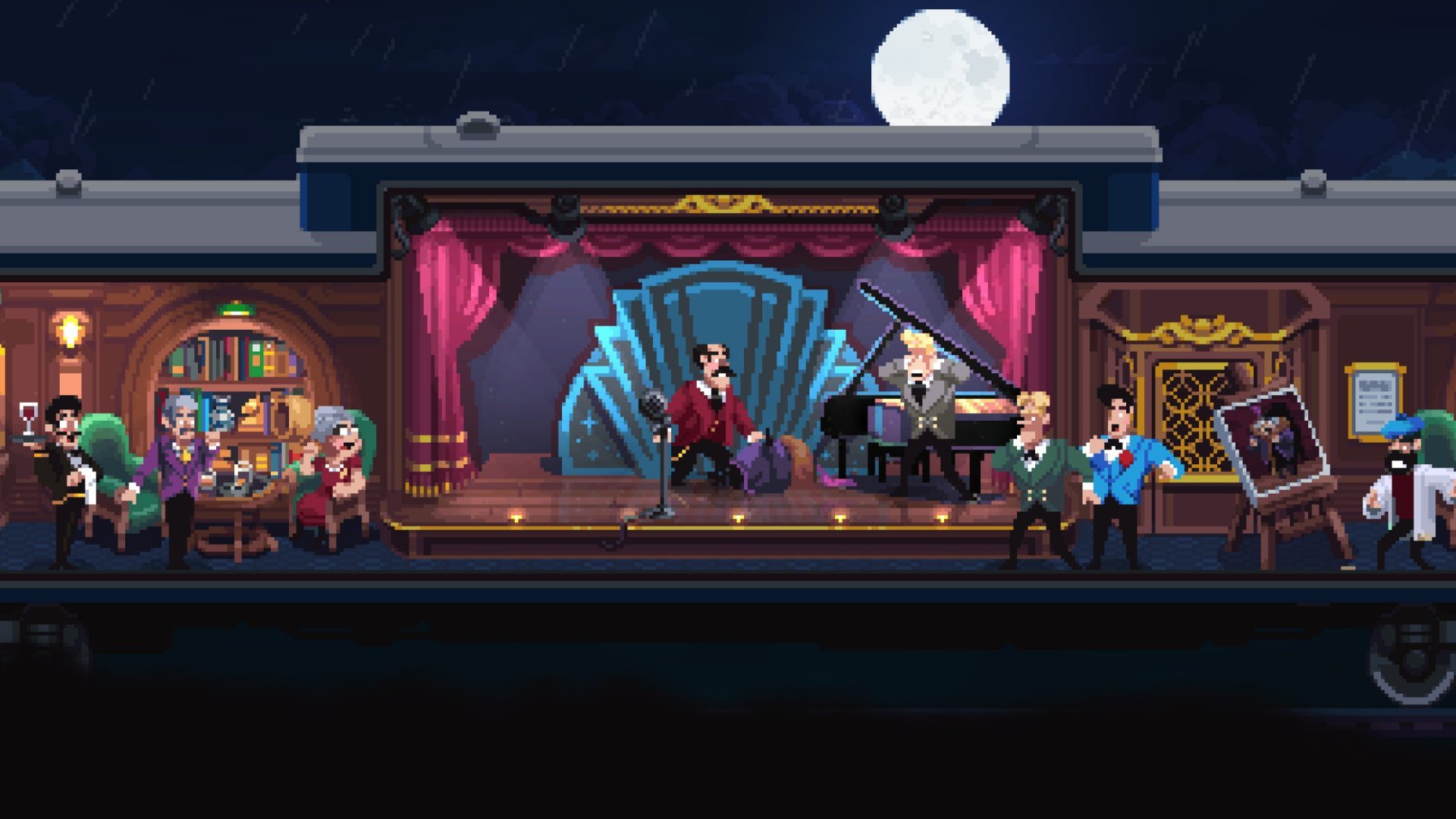
Incredibly, there’s not one, not two, but THREE main playable characters – lovable goofball lawyer and head of the entire railway empire Athur A. Ackerman, crime fiction writer and wannabe detective Herman Merman, and the enigmatic spy Diana Osterhagen. They’re all very different but share one thing in common: they’re the prime suspects! Clearing their names won’t be easy, with a host of diverse characters to talk to and challenging puzzles to solve across a substantial ten-plus hours of play time. With plenty of quality-of-life features to boot, if you didn’t know better, you’d think you were playing a lost LucasArts adventure from the genre’s Golden Era. It’s THAT good.
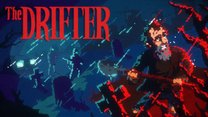
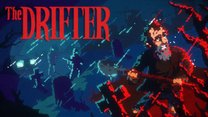
#18 – The Drifter
Dave Lloyd and Powerhoof’s The Drifter is another 2025 release that needs no waiting period to recognize its brilliance. It too may look and even play like a retro game from the genre’s heyday, but as a riveting, fast-paced thriller, it feels like one of the very best modern adventures. It follows Mick Carter, who reluctantly returns home after the death of his mother only to witness a murder and be drowned for his trouble. Miraculously, he revives! But he’s also now the prime suspect in the crime he witnessed only moments earlier. What follows is a gripping mystery in which you must use your newfound immortality to uncover a supernatural-tinged conspiracy targeting the town’s homeless.

A sense of urgency continually compels you forward, as slower scenes alternate with tense ones where seemingly split-second decisions mean the difference between life or death. (Or, well, temporary death.) Animation is immersively cinematic, and the pixel art gorgeously bleak and richly atmospheric, making excellent use of lighting. The sound design heightens the tension, the dialogues are brilliantly written, and Mick’s Australian-accented voice-over by actor Adrian Vaughan conveys so much emotion in his performance. Gameplay, too, is cleverly thought-out, with intuitive puzzles and a variety of control options that make this game shine like a natural evolution of classic adventure principles.
#17 – Amnesia: The Dark Descent
The real question wasn’t so much whether to include an Amnesia installment but rather which one. A case could be made for any, but ultimately the answer was blindingly obvious. The Dark Descent was so influential that it helped usher in an entirely new style of survival horror, yes, but even now it remains one of the most terrifying games EVER, full stop. Waking in a drafty Prussian castle in the middle of the nineteenth century, you’re kept literally and figuratively in the dark, as the unseen protagonist Daniel suffers from self-induced memory loss, his only known motivation being to find and kill the castle’s master, Alexander.
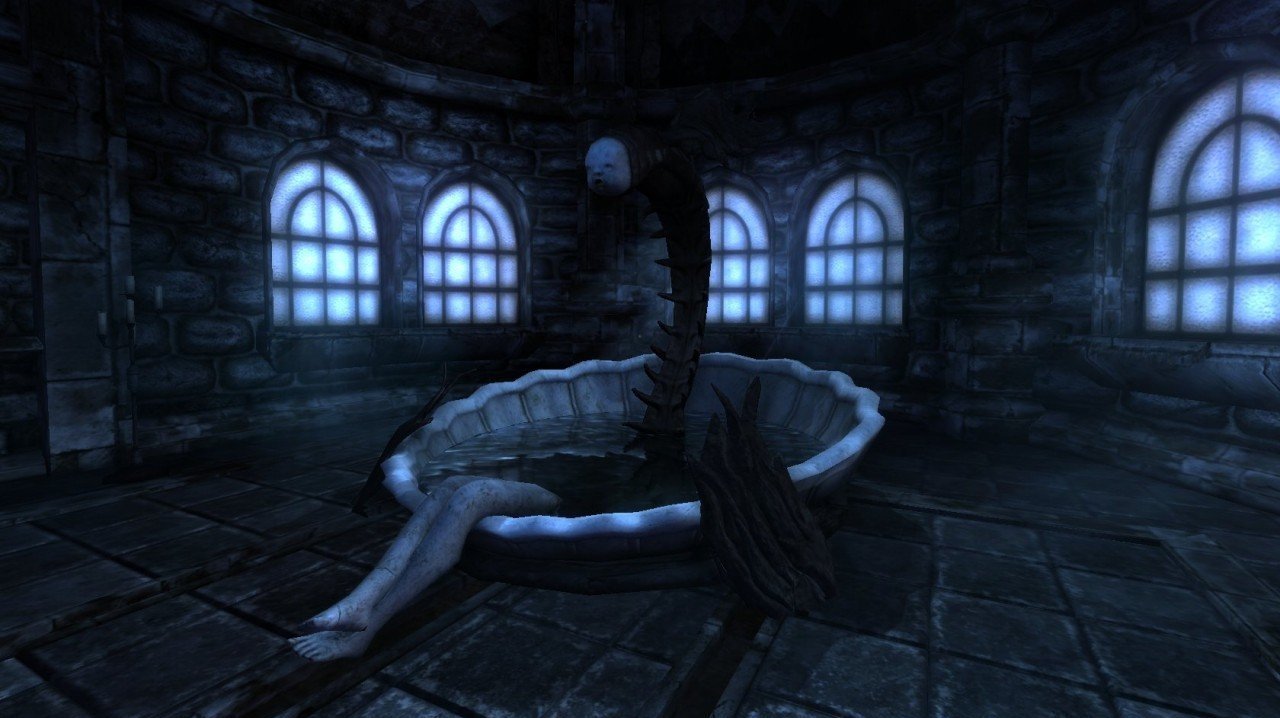
What follows is a harrowing journey into madness, with a surprisingly deep backstory to uncover. Without weapons of any kind, the best defense is to run, sneak and hide from the abominations stalking the castle halls and dungeons – and pray they don’t find and reduce you to a gibbering, insane mess as you cower in the shadows. With puzzles to solve and a pants-wetting soundscape keeping you ever on edge, this is horror gaming at its finest. Other pretenders have come and gone, but few have had the staying power or impact of this masterpiece of fear from Frictional Games.
#16 – Firewatch
Campo Santo’s Firewatch may technically qualify as a "walking simulator" – indeed, it may be the first game to refer to itself as such, as it very literally involves hiking Wyoming’s scenic Shoshone National Forest as part of its daily duties. But it also achieves what few games in or out of that subgenre manage: immensely natural, interactive conversations that make you really care about the relationship between its two central characters, one of whom remarkably remains fully off-screen. Stepping into the role of Henry, a fire lookout working in in the late 80s, Firewatch bolsters its fairly linear design with a rich focus on building kinship via walkie-talkie conversations with fellow lookout Delilah, all while dipping into some light thriller territory as someone begins surveilling Henry for reasons unknown.
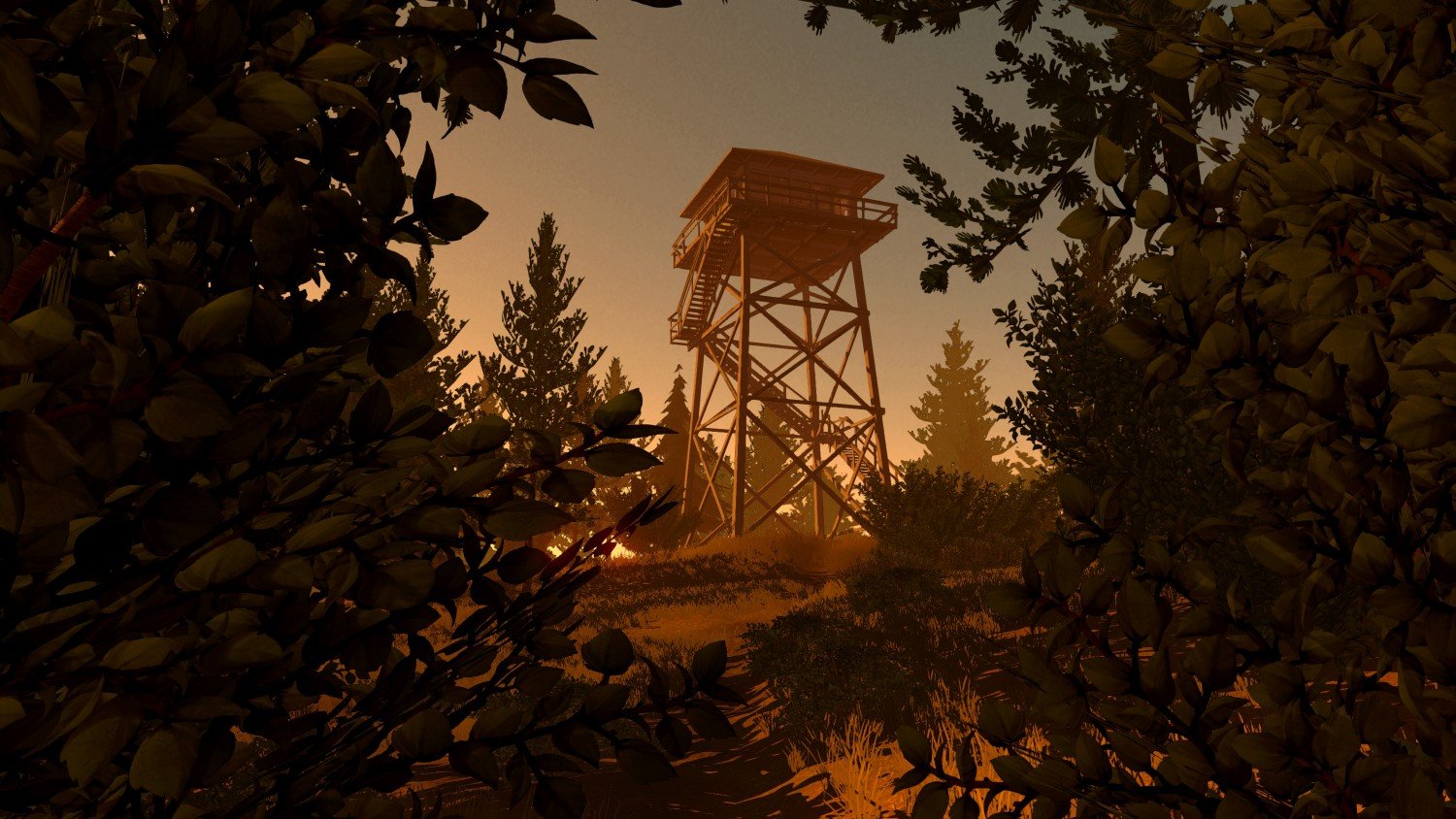
While the mystery elements are compelling, the real draw here is in the many quieter moments, during which the game delivers seamless, branching dialogue. There’s quite a bit of player agency in the conversation, which believably builds the bond between Henry and Delilah, voiced to perfection by Rich Sommer and Cissy Jones, respectively. Touching and life-affirming, Firewatch is not for those who yearn for puzzles or a traditional resolution to its unfolding intrigue, but it's easily one of the more potent emotional rides in the last quarter century.
#15 – Journey
When one considers great adventure games from this era, chances are they don’t think to look on the PlayStation 3. But that’s exactly where thatgamecompany’s wondrous Journey first debuted in 2012 and remained a Sony exclusive for many years before arriving on PC. If ever anyone asks if video games are art, don’t answer, just hand them a controller and tell them to play this game – a wordlessly touching, artistically stunning, brilliantly conceived adventure for one or two players. You control a robed figure in a vivid but minimalist desert world, a mountain off in the distance representing the only tangible goal. But remember the title: this isn’t so much about reaching your destination as absorbing every glorious moment of getting there.
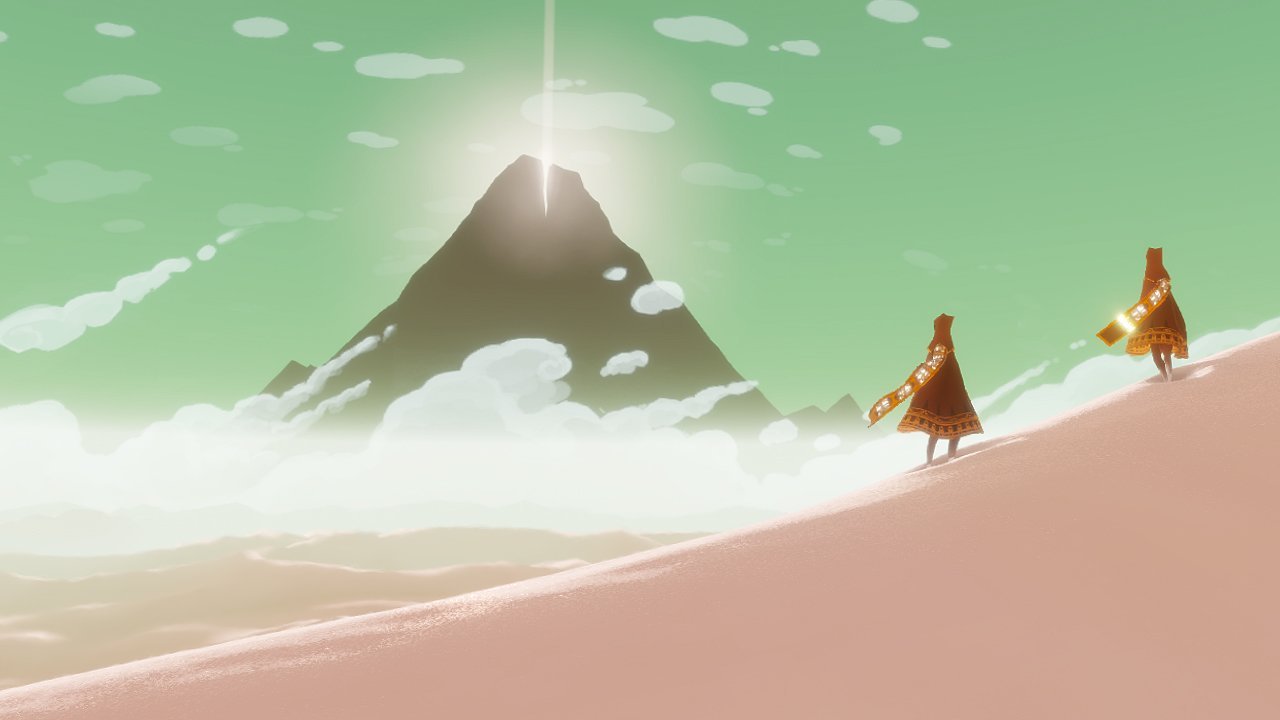
Doing so involves some light platforming and environmental puzzle solving by singing solutions into existence to manipulate the environment. Indeed, music is a key part of the experience, as Austin Wintory’s luscious score changes dynamically with your progress. You’re on your own to start – one of the developer’s stated goals was to make us feel the smallness of our being in a world much bigger than us – but the truly ingenious hook of this game is that it can randomly match you with one other player, anonymously, with whom you can only communicate through “chirping” to work together cooperatively. Description alone can’t do it justice, so try this ethereal, meditative, emotionally thoughtful game for yourself to discover why it’s a journey that everyone should take.
#14 – Unavowed
For nearly twenty years now, Dave Gilbert and his Wadjet Eye Games studio have been building a stellar reputation for character-led, empathetic stories with a paranormal twist. Each of them is worthy of consideration for this list in its own way, but one surpasses all the rest. Unavowed is set in the same fantastical universe as Gilbert’s earlier Blackwell series, but its sprawling, layered narrative is radically more ambitious. After being freed from demonic possession, you join the titular Unavowed, a shadowy band of humans and magical folk who deal with supernatural threats, on a journey of discovery, redemption and sacrifice.
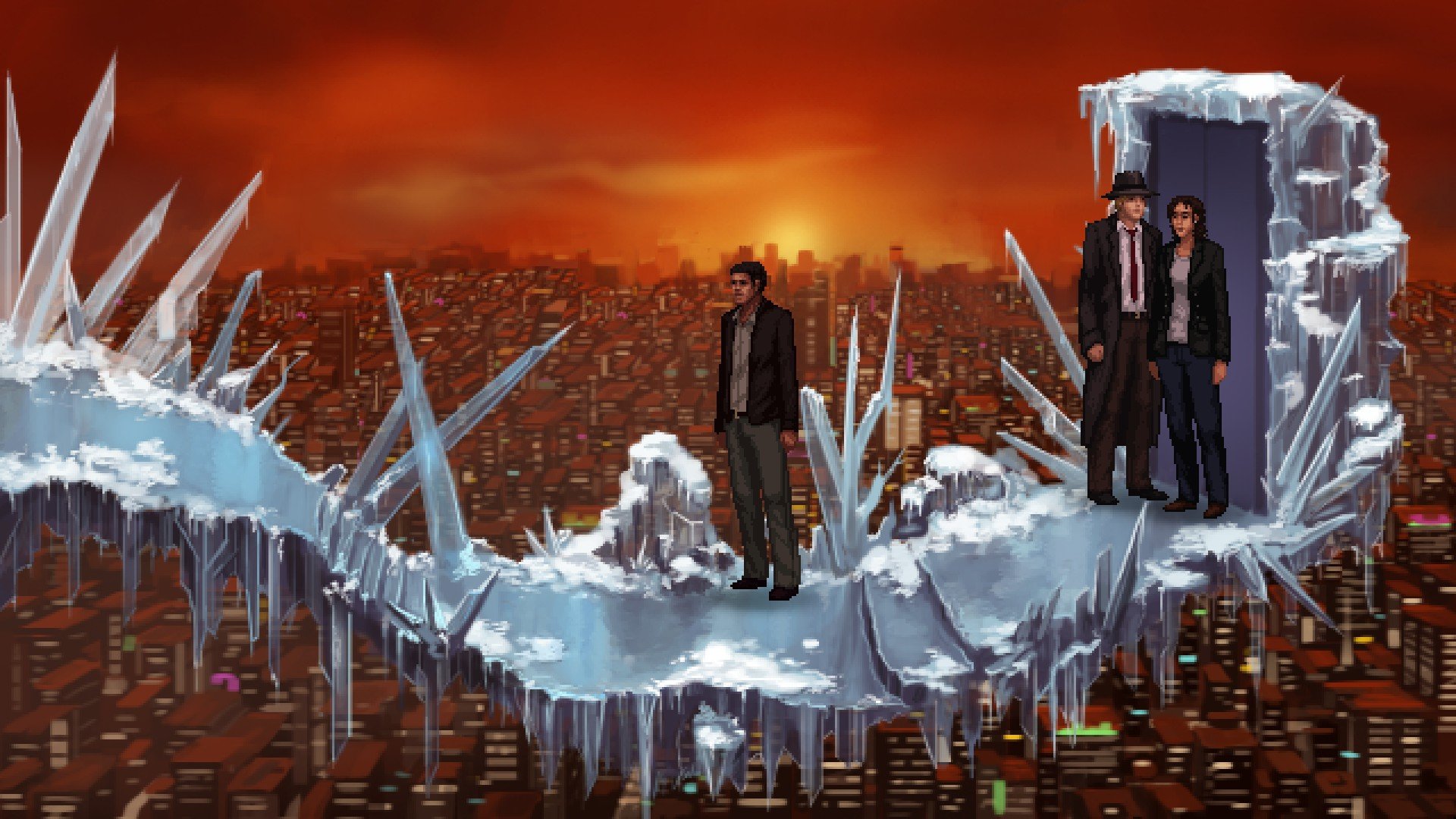
Taking a leaf out of the RPG playbook, here you'll get to select both your backstory (actor, bartender, or cop) and your team for each investigation. Bring the "bestower" along and he can learn a lot from the local ghosts, while the half-Jinn brings her athletic brand of swordsmanship to the party instead. Depending on who you are, who you take and their personal connections to the case, you'll face different challenges and delve into supblots you might otherwise have missed. All the while, your companions bicker, banter and bond over questions big and small. Weaving so many diverse strands together would be a challenge for any team, let alone a sole writer, and the fact that Gilbert brings them to a satisfying yet messily human conclusion is a true tour de force. Add in Ben Chandler's beautiful painterly pixel art and Thomas Regin's soaring jazz score, and you have one of the most memorable, ambitious games of the century.
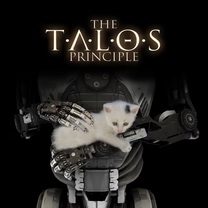
#13 – The Talos Principle
After years of being known exclusively for throwing endless waves of wacky monsters at players to blast, Croteam (of Serious Sam fame) decided to head in the polar opposite direction and baffle the gaming world – in the best of ways. Ditching most, though not quite all, of the twitch-based action of its predecessors, The Talos Principle instead took players on a weighty, philosophical, logical puzzle adventure about what it means to be human, told through the eyes of an artificial mind.
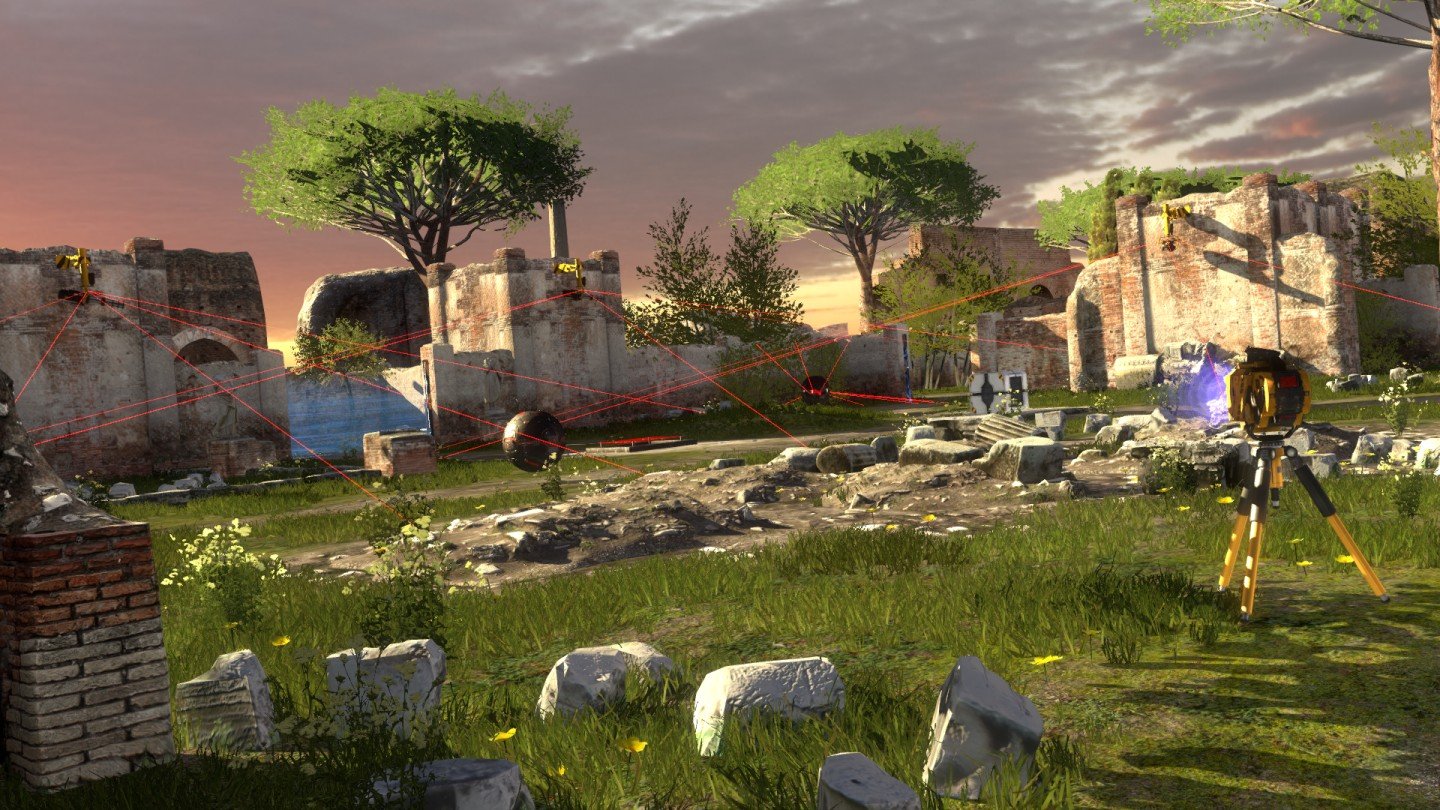
Borrowing a bit from Portal, this game has a similar focus on standalone puzzle chambers, in which you’ll manipulate an ever-expanding repertoire of tools to guide beams of light into the appropriate receptor and disengage barriers to reach an exit. Unlike Valve’s classic environmental puzzler, this one trades in comedy for a much more serious vibe (though not without its share of levity) to deliver a slower, often meditative experience in a beautiful hub-based world that lets you tackle challenges at your own pace. The challenges grow increasingly, deliciously complex, a trend continued in its DLC expansion and a full-fledged sequel (not to mention a “reawakened” remaster with additional content just this year). Indeed, The Talos Principle 2 made a serious case for being even better than its predecessor. Ultimately, though, we stuck with the novelty of the original, a wonderful, creative, hopeful journey with plenty to think about long after it’s done.
#12 – The Case of the Golden Idol
Combining grisly, baffling murders with the novelty of Mad Libs, The Case of the Golden Idol by Color Gray Games took up the mantle of Return of the Obra Dinn and ran with it in its own unique and surprisingly creative way. This game takes all the best parts of a deduction mystery and distills them into a minimalist yet potent package: barely any exploration and no player character, just poking around a series of frozen-in-time murder tableaus to round up enough clues to successfully solve a drag-and-drop crime summary, complete with scads of missing names, nouns and verbs that the player has to insert.
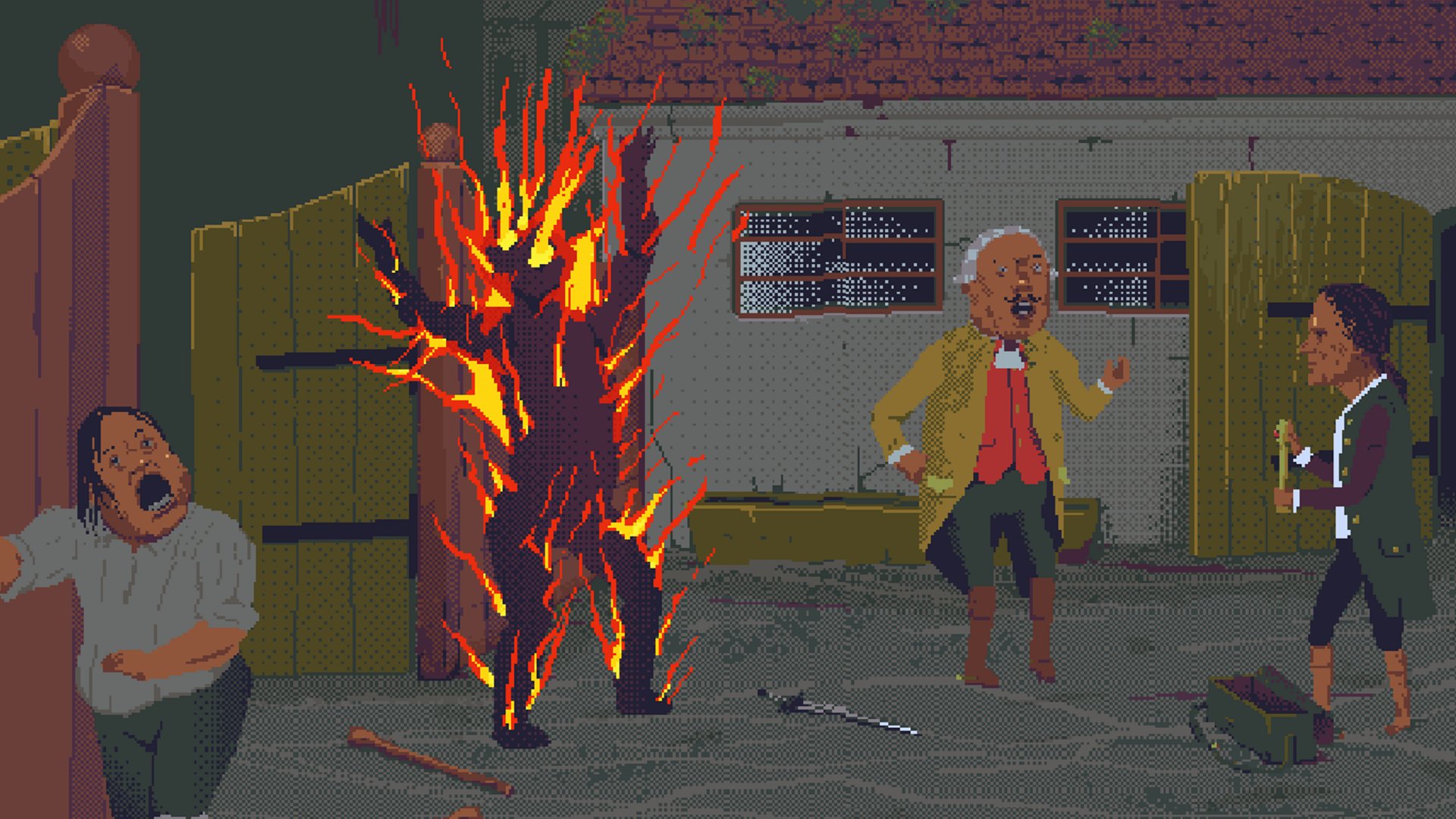
But the gameplay in these cases is not just puzzles for puzzles' sake. The overarching plotline is a doozy, with a fascinating setting and tons of great twists that laid the groundwork for some cracking good future installments. It became an instant classic that boasts terrific worldbuilding, devilishly fun scenarios, and some red herrings so well-crafted that they make us wish more games would brutally bruise our egos with a good rug-pull like this one does. It's possible we've now seen the last of the Golden Idol series, but we’ll forever look back fondly on its exceptional debut.
#11 – Disco Elysium
Sometimes looks can be deceiving. That’s certainly the case for ZA/UM’s Disco Elysium, which to all appearances is an isometric, tabletop-inspired RPG. Start playing, however, and you'll find a gripping adventure-esque investigative murder mystery with a complex story, layered characters, and rich history to navigate – all with no memory of who you are and one heckuva hangover. There’s some serious roleplaying involved, to be sure, but it’s all of the narrative variety, with no traditional combat to be found. Instead there’s a clever system involving four primary attributes to pick from, each with six of its own secondary skills, plus a “Thought Cabinet” in which to debate your own character development internally.
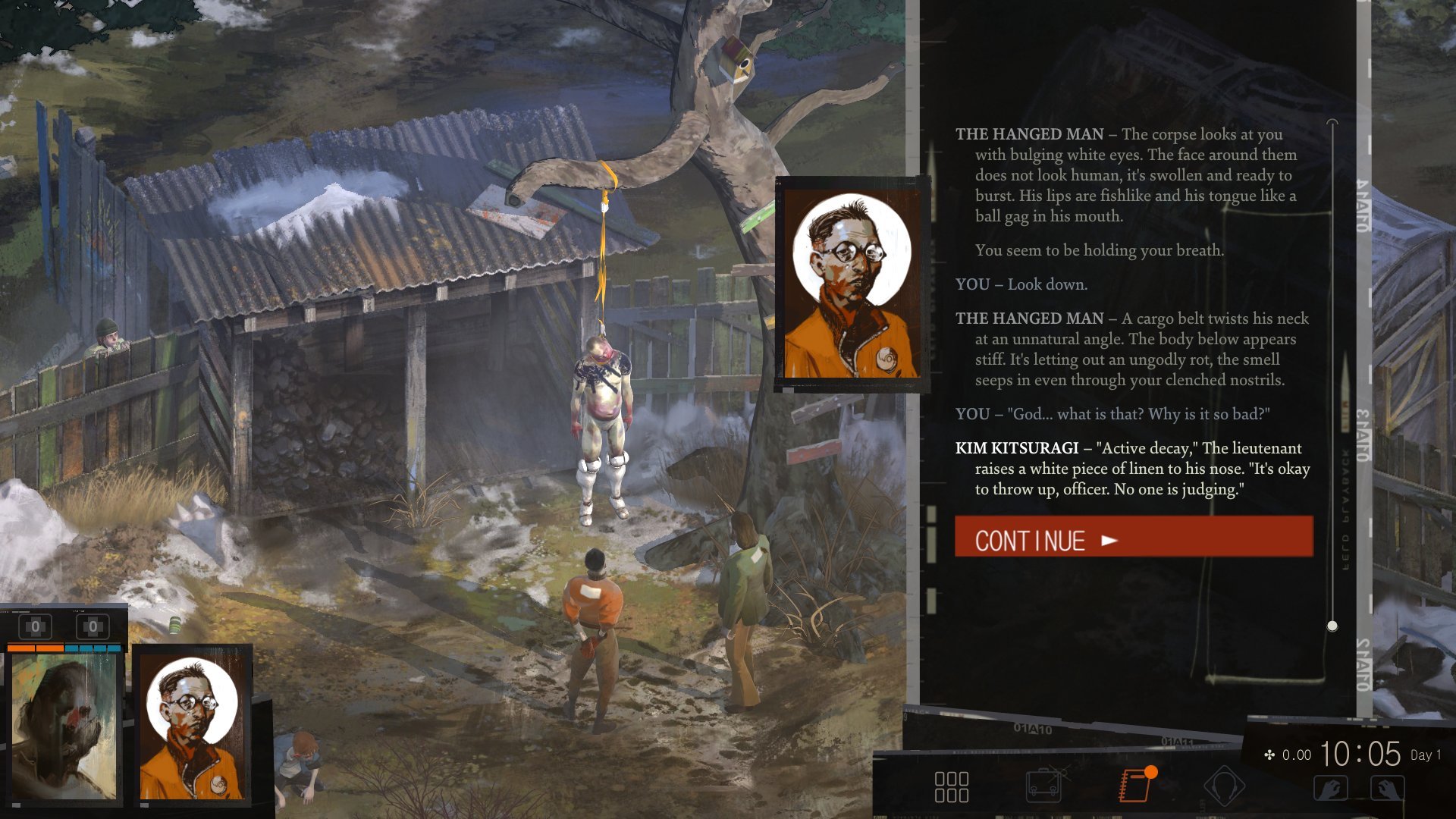
You’re presented with myriad choices to determine not only how the investigation will play out, but what kind of person you want to be and how you’ll approach the delicate political powder keg in which you find yourself. Decisions can be small or life-alteringly large, but there are consequences for everything – even your choice of clothing. The dialogue is often gritty, sometimes funny, always wonderfully written. If there was ever a complaint about the dozens of hours you spend in this troubled place, it was the lack of much voice acting to bring its diverse cast to life – a flaw subsequently eliminated in the “Final Cut” update, led by the incomparable Lenval Brown as narrator. No more excuses not to play it now!
#10 – Syberia
Benoît Sokal was already an acclaimed graphic novelist, but it was his second video game collaboration that made him a legend in the adventure community, with more than a little help from Microïds Canada. Syberia tells the story of Kate Walker, a lawyer from New York sent to Europe to close the sale of an old automaton factory, an assignment that ultimately takes her across continents, to the far east of Russia, where she discovers fantastical landscapes filled with mystery – plus a whole lot more of herself in the process. Megalithic monuments, Art Nouveau-infused architecture, and imaginative locales hide clues to the history of an awe-inspiring land that seems familiar, and yet so unlike our own.
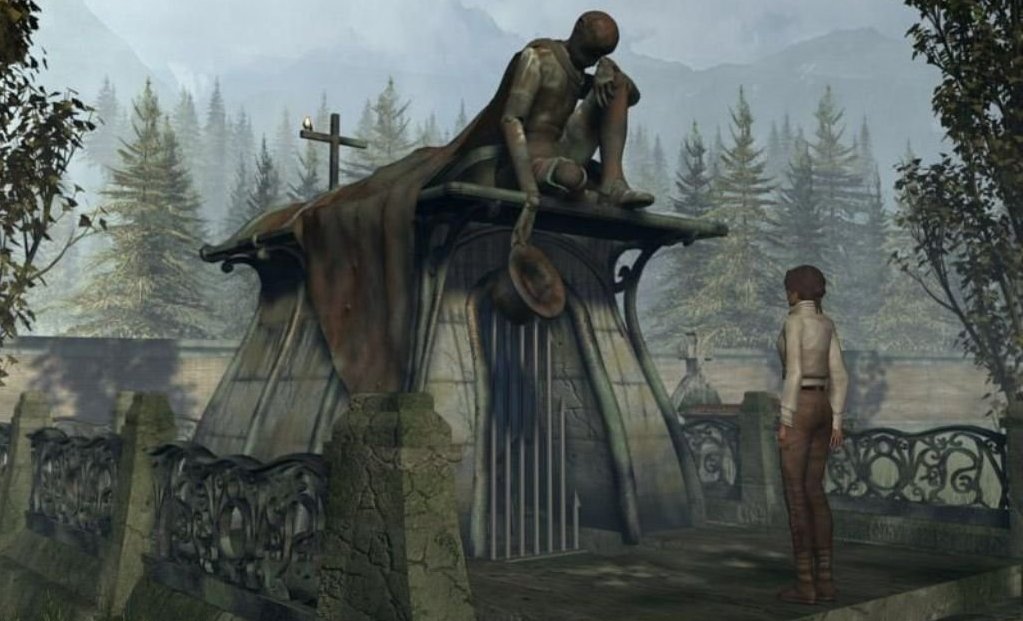
Sokal’s wholehearted embrace of the medium, utilizing jaw-dropping digital art and interactive storytelling with the same passion and detail of his illustrated works, makes this pre-rendered point-and-click adventure truly timeless. The expertly choreographed cinematics, oddball characters with superb voice acting, astounding musical score, and even the pre-set camera angles combine to flesh out a fascinating world piece by piece, surprising and delighting players from start to finish – though of course it wasn’t really finished at all, as the first leg of Kate’s journey was really just the beginning. Even without the recent remaster, Syberia is as easy to pick up and enjoy today as it was a quarter century ago. Simply put, it is a masterpiece of digital artistry.
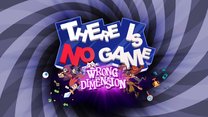
#9 – There Is No Game: Wrong Dimension
There is no #9 on the list. There can’t be, because we’re told that There Is No Game to put here. Except, of course (spoiler alert), it turns out there really IS a game, and what a game it is, though very hard to describe. Originally begun as a short game jam entry, the significantly expanded Wrong Dimension follow-up is easily one of the most innovative, funny, mind-bending experiments in genre-blending that has ever been designed, and so much fun to play, despite the narrator’s continued objections. You see, “Game” isn’t just the experience but a character as well – a hilariously confrontational computer program who just wants to be left alone. Defy all his warnings, however, and you’ll be introduced to a variety of delightful pixel art environs within the computer itself: a purple dimensional portal, a slice of Sherlock Holmes’ London, quirky device interiors, and a bathtub floating in outer space, to name just a few, each representing a different genre of gameplay and yet all playing largely like a creative spin of the point-and-click adventure.
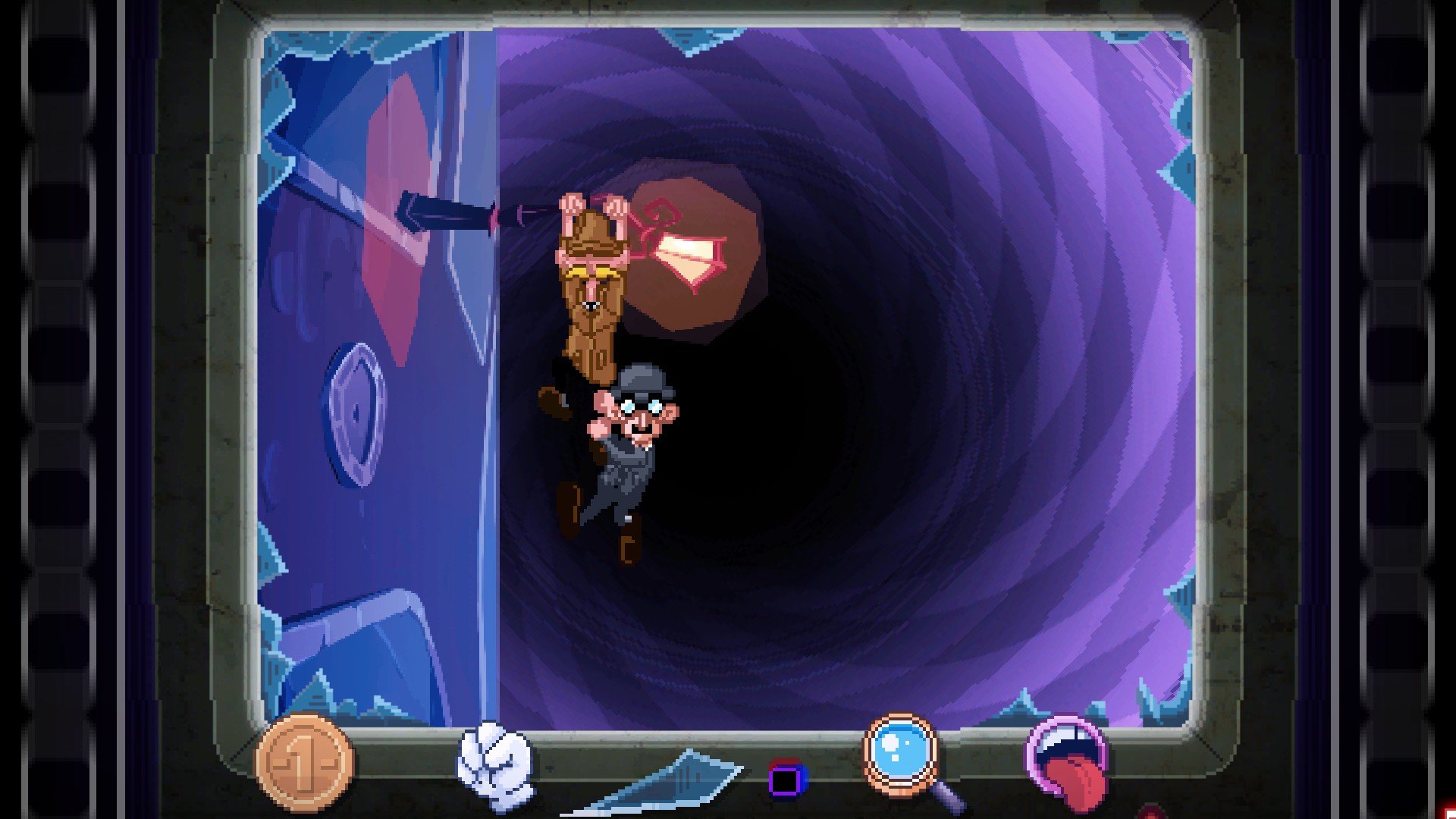
Besides the entertaining, constantly evolving gameplay, comedic commentary and a fantastic variety of background music enliven this utterly unpredictable odyssey. At the heart of the experience are a geeky mystery, a dastardly smoke-like villain, and a heroine with a lovely singing voice who may or may not need to be rescued. Puzzles are frequent and intriguing (accompanied by a helpful hint system), and unlike in other games they require a willingness to ignore instructions. Solving them demands creative use of items and pattern analysis, an aptitude for bashing stuff, and quick avoidance techniques (watch out for that atomic cucumber!). To succeed you must UN-learn everything you think you know about gaming, even if it means doing the opposite of what obviously makes sense. It doesn’t sound like it should work, but does it ever! At least, it would if there was a game.
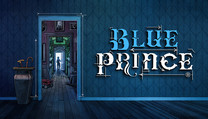
#8 – Blue Prince
Dogubomb’s smashing debut left us every bit as amazed at its intricate interweaving of narrative and gameplay as we were flummoxed by how to properly categorize it. Tasking players with finding the elusive 46th room in an ever-changing 45-room manor, Blue Prince revels in the impossible. Mixing puzzle-heavy first-person exploration with the strategic management of a board game and the run-based structure of a roguelite (that you can literally spend hundreds of hours on), it is a totally fresh, titanic effort of ingenuity.
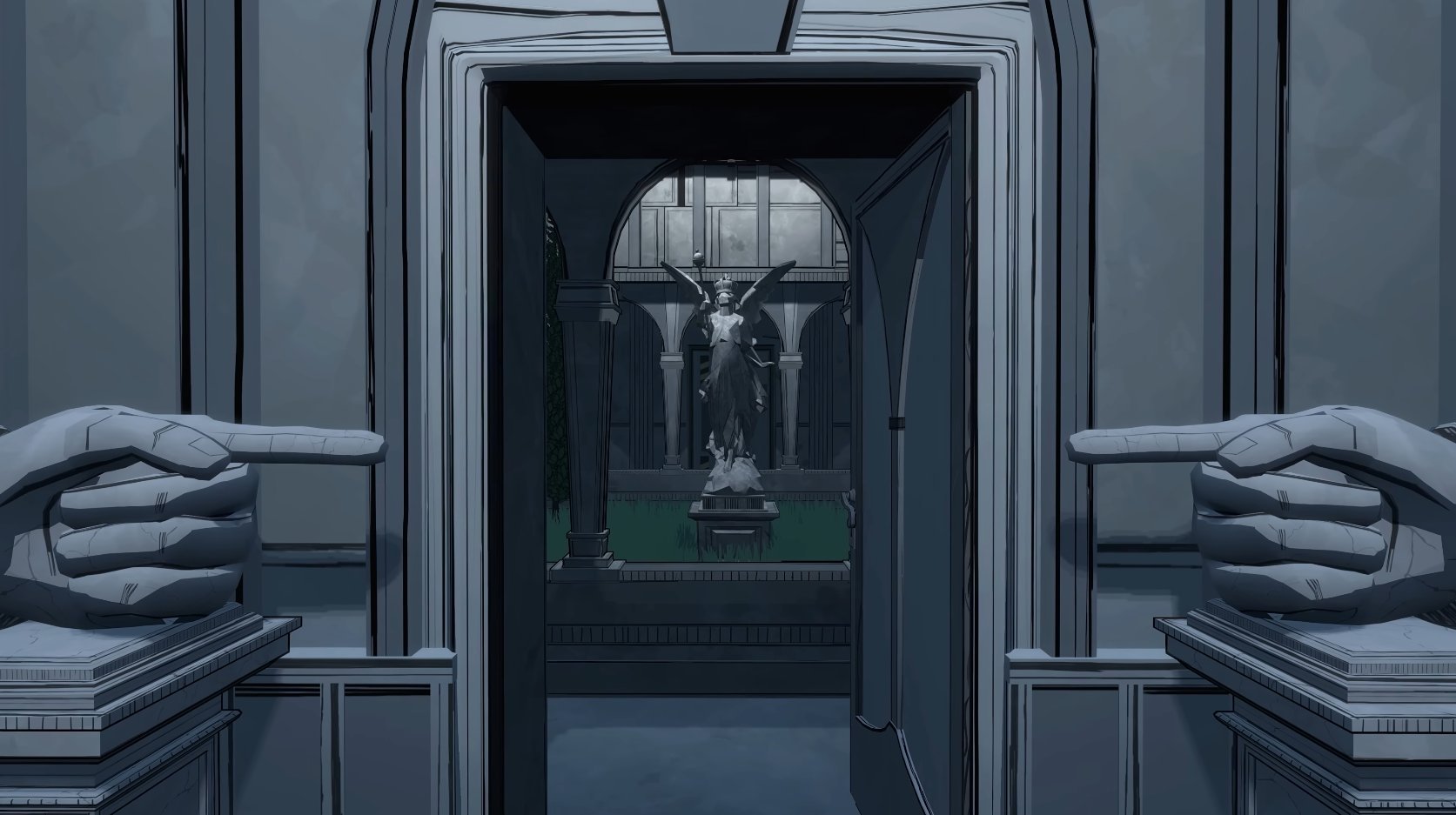
Its gameplay fully capitalizes on its novel architectural theme, letting you build the layout of the Mt. Holly manor as you go, only to redo it all again the next day (and the next, and so on), where everything resets back to zero – or does it? With tons of randomization and surely dozens of attempts required to solve its main (but far from final) goal, all the while unraveling an increasing series of mysteries along the way, Blue Prince is an enigmatic, enthralling, one-of-a-kind experience that becomes more and more addictive the longer you play. It's actually a small marvel that it only took eight years to make.
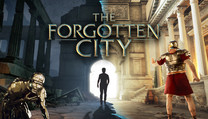
#7 – The Forgotten City
As the old saying goes, when in Rome, exploit a time loop to stop a crime before it’s committed, thereby saving an entire city and yourself from certain doom. (We might be paraphrasing.) Modern Storyteller’s The Forgotten City began as an Elder Scrolls: Skyrim mod before being expanded and refined into an incredible standalone title in 2021, delivering an elite nonlinear experience that is equal parts narrative feat and visual treat. Players travel back 2000 years in time to a beautiful, authentically designed ancient underground Roman “paradise,” where if even one person commits just a single sin, then the entire population is doomed to turn to gold (and die). It’s going to happen soon, unless you find the culprit and change the citizens’ fate in a matter of hours...which you can relive endlessly.
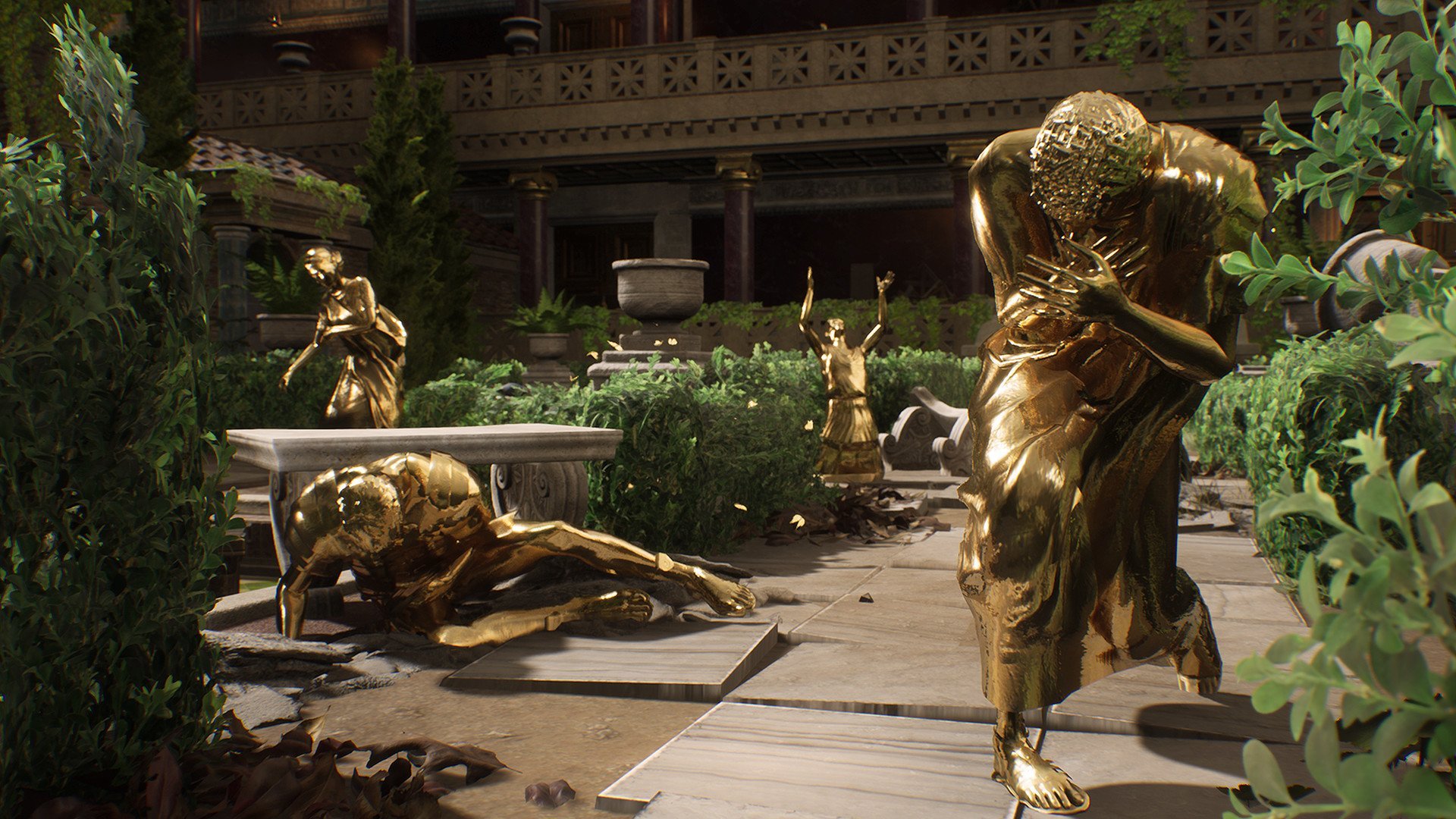
You decide your strategy: chat up the locals, snoop through their things, bribe, banter or bully, explore the expansive underground city, and trigger the time loop to weaponize your findings, but be prepared to face the consequences of difficult moral choices. Lots of games claim player freedom to do as you like, but in The Forgotten City, it’s basically true. And what you’ll want is to try everything! With a gripping mystery to unravel, subplots to discover, multiple ways to solve problems, several endings, and even some potential combat, The Forgotten City has become a timeless classic in its own right.
#6 – The Walking Dead
Telltale’s first season of The Walking Dead changed the way we think about adventure games by cranking the focus on story up to one hundred and asking players to emotionally invest in it first-hand. There is still exploration, but it’s much more directed. There are still puzzles, but they’re fewer, simpler, and serve only to progress the narrative. There’s also a bit of light action, which only draws you more fully into a terrifying tale among human monsters, both living and undead.
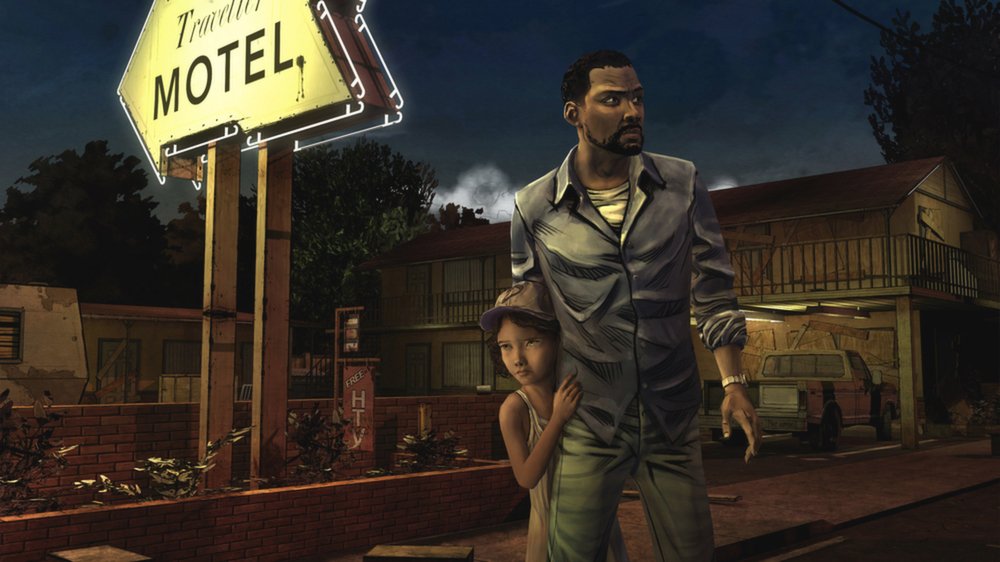
And it's such a powerful story! At its heart is the growing relationship between convict Lee Everett and a young girl named Clementine. Their bond gives the struggle for survival and a sense of community its emotional weight and turns every decision into something deeply personal. Every choice has repercussions – some small, some literally life-and-death – and though we’ll all get to the same explosively poignant ending, the journey to get there will feel different. The art style inspired by graphic novel series creator Robert Kirkman makes the world seem both stark and alive, the score by Jared Emerson-Johnson is richly resonant regardless of circumstance, and the voice acting delivers consistently brilliantly performances, especially for Clem and Lee. Combine these with sublime writing and you’ve got a tightly focused game that knows exactly what it is (and isn’t), and is sure to haunt you long after you finish.
#5 – What Remains of Edith Finch
Giant Sparrow’s wonderfully inventive What Remains of Edith Finch never ceases to surprise and amaze, pushing the boundaries of the genre in such a powerful way that even years after its release we’re still thinking about it today – or rather still feeling it, as one can’t help but be touched by its rich narrative themes. When Edith, the last surviving Finch, arrives at her family home – a higgledy-piggledy construction in the woods – she experiences an anthology of playable short stories, each one following the whimsical yet macabre death of a different member of the Finch family, supposedly victims of an ancestral curse.
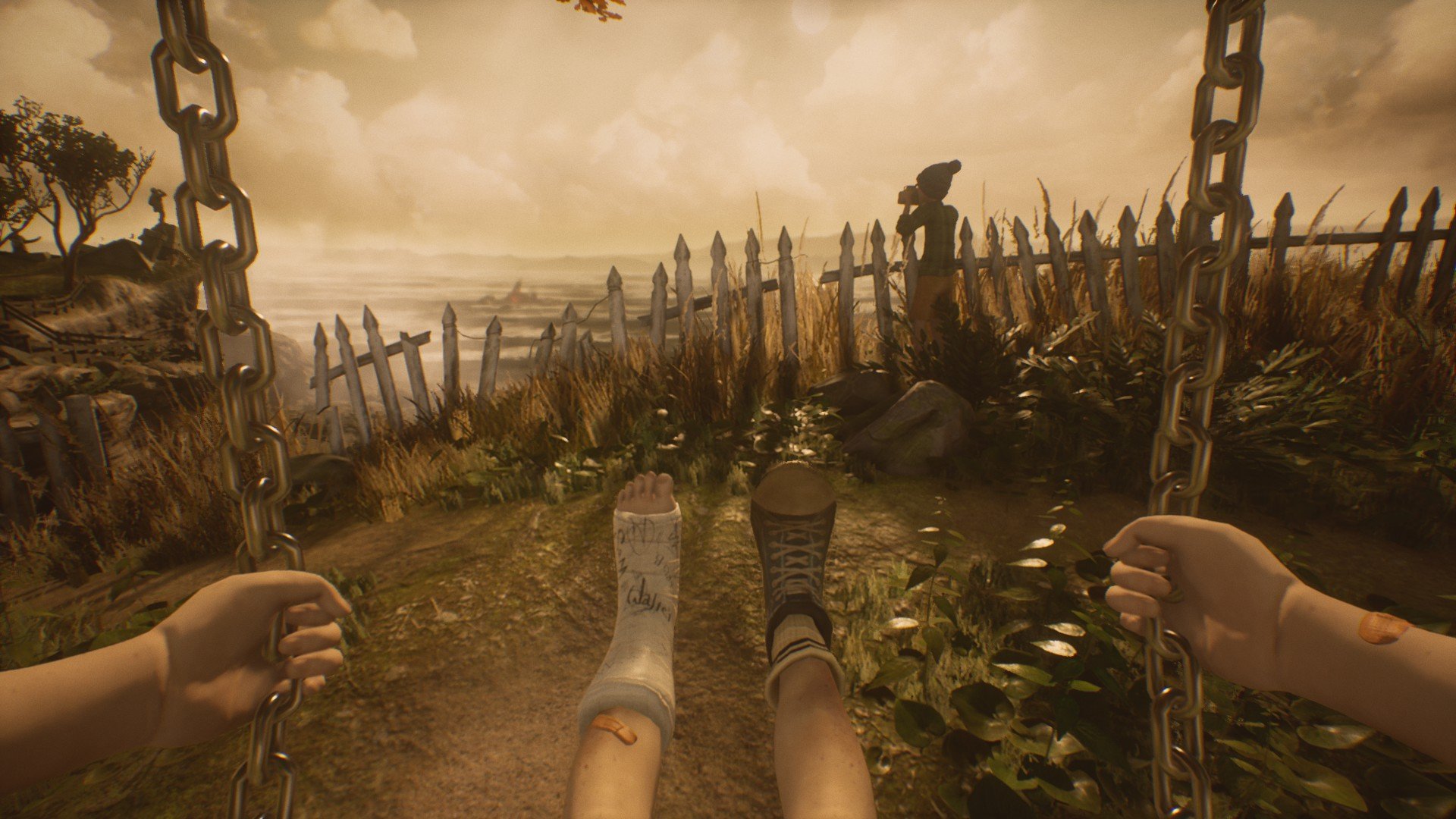
The house is a quirky character in itself, with its multiple extensions and additions, rising to impossible heights against the backdrop of the Pacific Northwest. Each 3D room tells a story, and each story takes on different tones, looks, genres, and gameplay mechanics. One minute you are in a nightmarish horror tale; the next, a tear-jerking tragedy. It is a game about imagination and love and grief; a beautiful, seamless interweaving of narrative and gameplay. The Finch family may be gone but will never be forgotten, leaving this astonishing legacy in their wake.
#4 – Portal 2
Sequels don’t often eclipse their forebears, but every now and then one ups the ante significantly. Where Valve’s original Portal introduced one of gaming’s all-time best antagonists and a brilliant mind-and-space-bending puzzle mechanic, its successor presents even more astonishingly creative gameplay elements with which to explore the vast caverns and facilities below the Aperture Science labs. Catapults, tractor beams, and light bridges are rounded out by various types of colored gel, imparting surfaces with additional properties like quick traversal or bounciness, with just the right level of challenge.

Just as significantly, Portal 2 adds a transfixing narrative that forces the protagonist Chell to team up with a chatty new bot and her former arch-nemesis. Along the way, a wonderful script is brought to life (or the mechanical equivalent) by notable voice talents like J.K. Simmons and Stephen Merchant, along with the outstanding return of Ellen McLain as GLaDOS, as you uncover an even deeper backstory to the evil corporation that’s brought you here. The cherry on top of a substantial single-player campaign is a second, entirely original one with puzzles designed from the ground up for two players! Debate whether it’s an adventure if you must (to us it most definitely is!), but there’s no question it’s an absolute shoo-in for any list of best gaming experiences.
#3 – Machinarium
Amanita Design had already made a name for themselves with their charming Samorost series, but in 2009 the indie Czech studio released what many (including us) consider to be their magnum opus. For a game that begins with a view of a bleak landscape and a visit to a junk heap of seemingly worthless metal scraps, Machinarium proves to be a heart-warming and often funny point-and-click adventure game with jaw-dropping, delightfully detailed hand-drawn scenes filled with quirky characters. After some required assembly, the accidentally discarded little robot protagonist heads off on his quest to find his friend in the decaying city of machines and thwart the thugbot gang that has been terrorizing the residents, accompanied only by a delightfully quirky soundtrack by Tomáš Dvořák (aka Floex).
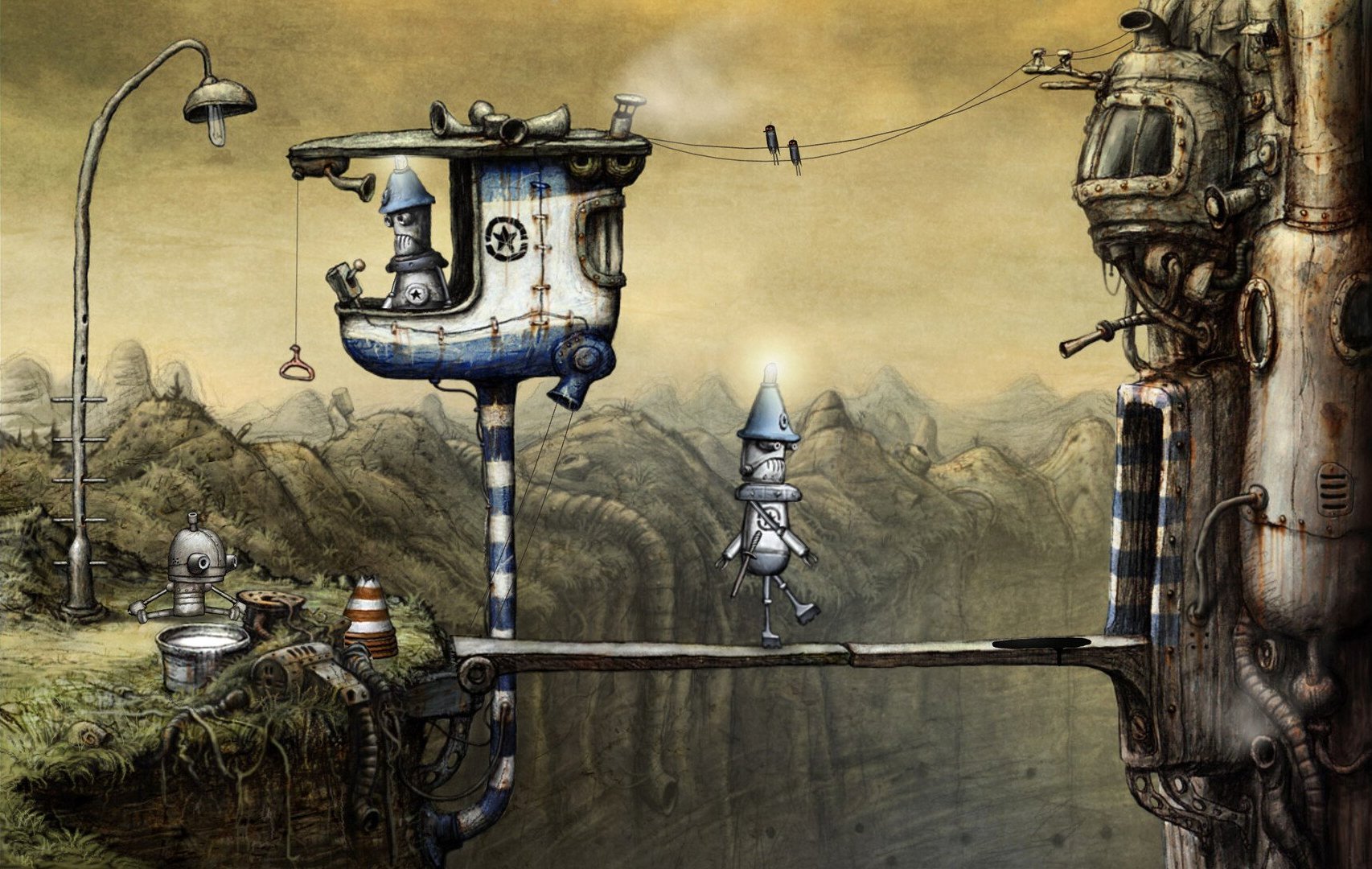
Achieving these goals requires solving many kinds of puzzles – mostly single-location obstacles but with varying levels of difficulty, whether through inventory, mechanical manipulation, or logic. Even the in-game hint system is a challenge, as you’ll need to complete a minigame for the privilege of an illustrated nudge in the right direction. Everything here is conveyed entirely without words, through environmental storytelling and pictogram thought bubbles, as befits a game with no living people. But make no mistake: the marvelous mechanical world of Machinarium has more heart and brains than most other games combined.
#2 – Outer Wilds
Outer Wilds is a milestone in gaming, one of those unique titles that inspire endless online suggestions for “more games like this.” And yet nothing that has come since Mobius Digital’s masterpiece has ever quite touched the depths of this Brobdingnagian behemoth of first-person exploration. You start with a “simple” quest – simple compared to the shards of philosophical discourse around existence and civilization you’ll find yourself piecing together later on, at least. You’re trapped in a time loop where in 22 real-time minutes the sun will explode. You must find out why and save your solar system to escape the loop. And so you set out in your spacecraft into the terrifying, dark void of the universe and its weird, exotic planets with no real guide – just questions, with so many answers waiting to be discovered
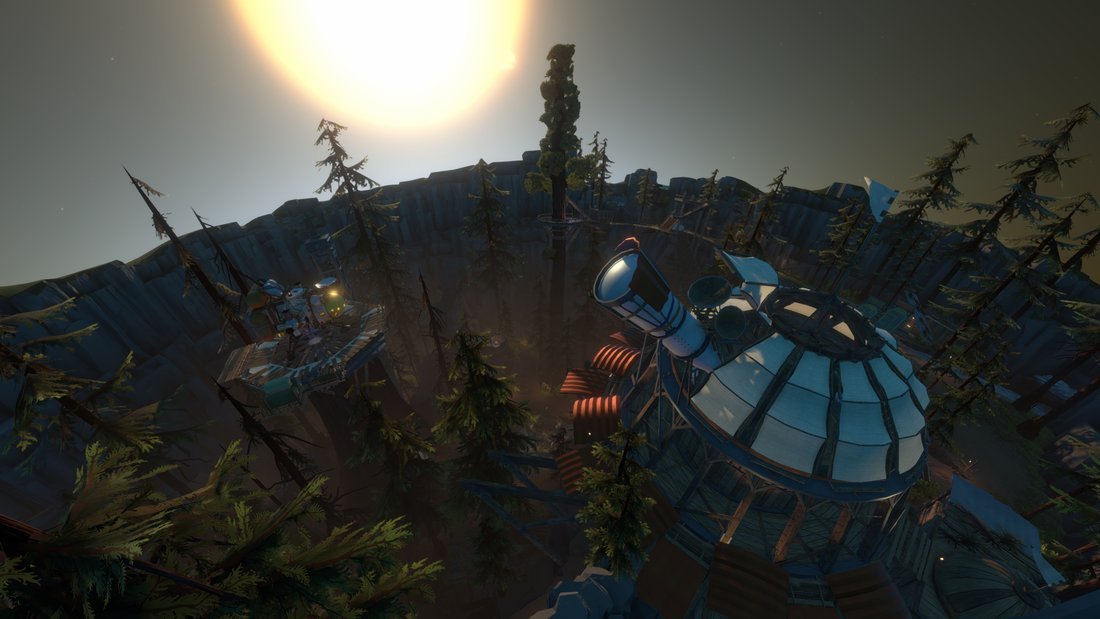
To call Outer Wilds a space exploration game or a time loop game doesn’t really do it justice. It has these elements, but Mobius makes them feel natural to the universe, rather than just boxes to be ticked. You’ll marvel at the stunning and radically different alien worlds, while also discovering the very real science behind their unique phenomena. The possibilities seem endless, and though the clock is always (invisibly) winding down, the game’s nonlinear nature allows you to explore largely at your leisure, adding what you’ve learned in each loop to your ever-growing knowledge base. Eventually, the near-final moments, when every piece of the puzzle comes together and you must race against the ticking time bomb of the sun exploding, are some of the most tense and exciting you’ll ever experience in a game. It’s the cherry on top of hours of complex, clever worldbuilding – a last volatile burst of phenomenal game design before dying out, leaving only credits and stunned silence in its place.
#1 – Return of the Obra Dinn
The best adventure game of the last twenty-five years needs something to make it truly special. Maybe it’s mind-bending logic puzzles that stretch your brain to near-breaking point before rewarding you with an a-ha! moment of clarity. Or a deeply mysterious narrative that is intriguing and terrifying in equal measure. It could feature a strikingly bold aesthetic. Perhaps it’s gameplay so simple yet so addictive that it perfectly embodies that “just one more” feeling that keeps us glued to our screens and monitors. Or, well, why stop at one when we can have it all in one incredible, unassuming package?
At its core, Lucas Pope’s Return of the Obra Dinn is a deduction game that tasks players with using various types of clues to ascertain the identities of the passengers and crew of a doomed nineteenth-century merchant ship. As an investigator for the East India Company, you’re sent aboard the recently returned Obra Dinn, which is now nothing more than an empty ghost ship. Using an unusual compass that grants glimpses into frozen visions of the past, it’s your job to work out what occurred on the voyage and record the fate of each of the sixty souls aboard. It sounds simple, but Return of the Obra Dinn forces you to make use of all your powers of observation. Clues can come in many forms, so you must pay close attention to your surroundings, listen for foreign accents and audio cues, and fill in the gaps between scenes to slowly build an all-encompassing narrative.
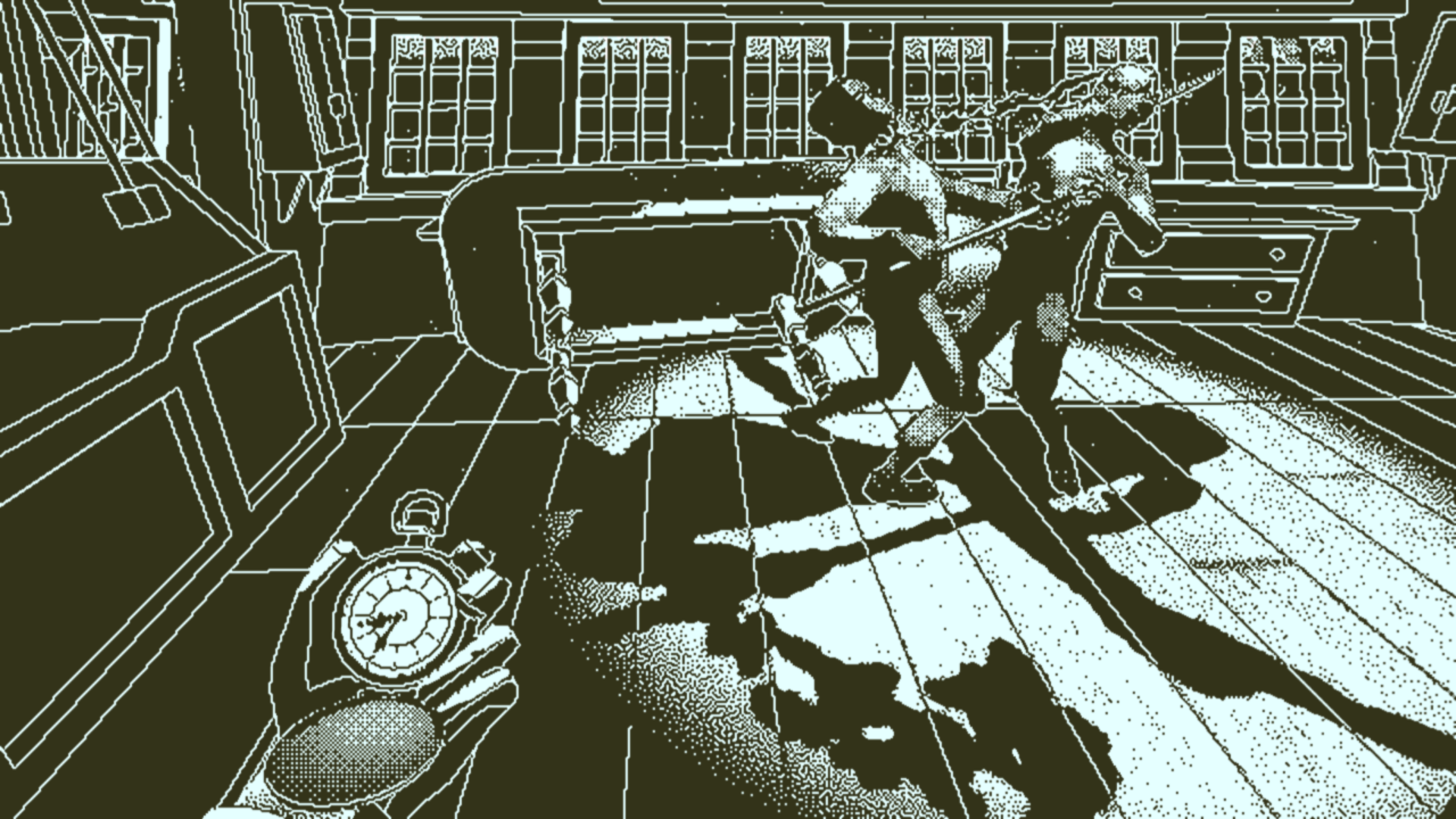
While much of the video game industry races to ever higher resolutions and greater realism (with astronomical budgets to match), Return of the Obra Dinn uses a deceptively basic yet beautifully dithered 1-bit art style, with still-frame vignettes you can freely walk through and inspect. And what stories the ship has to tell! From lethal sicknesses ravaging crew members to horrors of the deep blue sea rising to the surface at every turn, you'll come to discover that the Obra Dinn’s journey was one of unparalleled horror and wonder. Each new snippet is accompanied by outstanding voice acting and sound work, turning the entire adventure into a theater of the mind of the highest order.
It’s an easy game to get stuck into, but beware, as it’s entirely possible to become so engrossed in the tale of these ill-fated mariners that you won’t be able to pry yourself away from the screen until the credits roll. That, above all else, should make it clear why Return of the Obra Dinn tops our list of the best adventure of the last quarter century!
Article written by Alyssa Butler, Chloe C, Laura Cress, Lizzie Frizzle, Cynthia Gary, Peter Mattsson, Shawn Mills, Johnny Nys, Drew Onia, Sean Parker, Victoria Sykes, Pascal Tekaia, Becky Waxman and Jack Allin.

- Advertisement
- Help support AGH by advertising with us







28 Comments
Want to join the discussion? Leave a comment as guest, sign in or register in our forums.
Soma is worth it on this list just for the ending alone.
Reply
Am I right in seeing that the highest-ranked traditional adventure game - with a classic inventory system and text-based dialogues - is only in 10th place? That probably says a lot about how adventure games have evolved and how different the genre is compared to what it was even a dozen or so years ago. Personally, I really miss Daedalic Entertainment. I know the studio doesn’t have the best reputation in the US, but here in Poland they were by far the most popular adventure game studio for at least half a decade. They were considered the absolute kings of the genre.
Reply
It's both a reflection of the genre's evolution, and the difficulty for any game to really stand out from the competition when it's doing something we've seen so often before. Whereas a game that's great fun AND does something fresh and new has no immediate peers, in a sense. Mostly, though, there's just a whole lot of great games to choose from!
Reply
Yeah, but let me talk a bit about the individual games: I haven’t played Outer Wilds, mainly because I never really perceived it as an adventure game in the first place. I absolutely love Machinarium — it fully deserves a place near the top. Portal 2 is an outstanding game, but I would still classify it primarily as a puzzle game, even though I understand why it can arguably fit within the broad definition of the adventure genre. What Remains of Edith Finch is definitely the most interesting representative of walking simulators. The problem is that apart from its exceptional narrative, it offers no real challenge. The Walking Dead was one of the pioneers of choice-based games, but those choices are largely illusory, and the story itself isn’t particularly original — many of its threads are well known from zombie and post-apocalyptic films. The gameplay is not especially ambitious either, so while I like the game a lot, I don’t think it really surpasses the top classic adventure games of the past 25 years in any area. What it certainly does excel at is emotional engagement, thanks to its pacing and the promise (largely illusory) of influence over the characters’ fates. Among games that are not classic adventure games, I would consider including titles such as SOMA (which has a much stronger and more thought-provoking story than the first Amnesia), The Wolf Among Us (a more ambitious and better-constructed narrative than The Walking Dead), Gorogoa, Mouthwashing, or To the Moon. Of course, everyone has their own arguments. Even though — due to genre affiliation, narrative originality, or relatively unengaging gameplay — I wouldn’t include many of these games in my own top list, I do appreciate the fact that the list consists entirely of at least good titles. It’s also great that you decided to create such a list at all — it’s another opportunity to exchange views on the genre.
Idk. Wouldn’t Machinarium be a traditional adventure game? It has inventory items and dialogues with NPCs.
Reply
Seriously guys, you leave out legends such as The Longest Journey or Gemini Rue and Syberia and you include games that while good, nobody even talks about a few years after their release. When you talk about the best, it means that they stay in people's minds and the newer generations keep on playing them. Really far from my top 25 of 2000 to 2025
Reply
Syberia is in there at #10... and the article opens with an explanation why The Longest Journey wasn't included because it came out in 1999.
Reply
Dreamfall are even better but not included. Gemini Rue is a legend and the best selling indie game of all times...and was made by 1 person...There is not top whatever list on the world of p&c adventure games that does not include this game. I'm really surprised
This is a great list! I couldnt get into Obra Dinn but i have the greatest respect for the game. Games I would have included: -Return to Monkey Island -The Whispered World -Runaway a Twist of Fate -Ghost Trick: Phantom Detective Keep up the great work!
Reply
I'll need to check a few on this list I havent played, including Obra Dinn. That being said, my top 3: 1- Machinarium 2- Thimbleweed Park 3- Excavation of Hobs Barrow
Reply
I know that these list are inherently biased. But I have to be honest, and I don't think I've disagreed so much about a list ever. I would have scrapped the 4 top picks outright, along with any telltale titles. And where is Return to monkey island, Whispers of a machine, Old skies and a metric ton of other great games? Sorry for the rant. I really do apprechiate your efforts.
Reply
Love this site, but why does this list look like it was compiled by AI? Either that or by people that don't really understand adventure games and their target audience? While Portal 2, Edith Finch, and Firewatch may be great games in their own right, they feel jarringly out of place on here. Heck, why not just put the latest Zelda masterpiece in the mix if there really are no limits here? Don't even get me started on those yawn-inducing "player choice" Telltale animated MOVIES (to call them games is really pushing it)! While I agree with several of the picks, the overall list is freaking weird and all over the place.
Reply
AI has not and will not be used by AGH. The list was voted and tabulated by our 32 staff members. All staff members are trusted industry veterans. We don’t create content to appeal to the masses. We don’t even monetize the site despite it being very costly and time consuming. We are fans giving a gift to fans. It’s a 2000-2025 list. If we gave you the impression that all the choices were going to be point and click, we apologize. I for one am always happy to read constructive criticism. It helps us determine what our audience wants and expects and I thank you for that. What’s your favorite game on this list?
Reply
Hey Joshua, I appreciate your warm and candid response! I think some of those included came as a bit of a shock, but that makes sense in light of the explanation you gave regarding the selection method. I know many of you are AG vets and I appreciate your contribution to the genre. I've been keeping tabs since the early days of Adventure Gamers, for what it's worth. I definitely concur with the inclusion of Golden Idol, Obra Dinn, and Unwritten Tales, among others. Those are definitely bangers!
Well, you don't create content to appeal to the masses but you picked some of the most fast-food games that are not even really part of this genre... :-)
Just noticed ACE ATTOURNEY on the list. Good Heavens. SMH. I understand you're trying to be more inclusive and "modern", but that's just ridiculous.
Reply
Attorney, rather. I'm so appalled by this list I can't even spell anymore lol
Reply
It’s a highly acclaimed ADV game that started an iconic franchise. Why wouldn’t it be on the list?
Reply
I'm with you there...
Reply
We can agree lists are always controversial, but I really miss Technobabylon and Primordia in yours. And probably Blackwell Epiphany unless you considered it part of a series and not a game for itself...
Reply
Blackwell was definitely heavily voted but it was hard to put one on the list since the series is kind of like one big game. Also, if we wanted to we could probably fill half the list with WEG alone. We did handicap game devs to one game each.
Reply
Yeah, the list is interesting, but definitely biased.
Reply
Will there be a feature about Best 2025 games?
Reply
Yep. Stay tuned! A different kind than the last few years.
Reply
Tastes will always differ, though I'm surprised how much. With the sole exception of Unavowed, none of these games would have made my personal 25 best list.
Reply
Really like this list, pretty broad-minded on what adventures are, and though pehaps there's a bit too many recent games overall, but that's nitpicking! I think the biggest blindspot here is there being no text parser adventures, not a one yet this is a period where that community created some of its best work. Things like Emily Short's Counterfeit Monkey, or Andrew Plotkin's Hadean Lands, Superluminal Vagrant Twin by C.E.J. Pacian, or really any of them, there was a true revolution in how this genre worked starting about the late 90s and well into the early 10s in particular. I guess there was an unmentioned criteria was that these have to be graphical adventures of some sort but I mean when you're already taking a broadminded view of the genre, why stop there?
Reply
No such criteria at all, though we did focus exclusively on commercial games. But text games are now very much a niche within a niche, and not enough of us had played enough of modern IF to bump out anything here. (Or perhaps did but didn't think they rated better.) There were literally thousands of games released during this time, so even as a group, we couldn't play them all, let alone in numbers.
Reply
While I love the web site and the reviews here, I should say that these top 25 represent an extremely limited group of the p&c adventure gamers. It looks more like the favourites of a person who started playing adventure games after this genre had been destroyed by the industry. Amazing gems (and best selling games of the genre of all times) such as Gemini Rue, Thimbleweed park, Dreamfall, Primordia, Hob's Barrow, Technobabylon and so many others that have amazing depth, dialogues, graphics and immersion, are not even there, while you got blockbusters with stereotypical stories and graphics....It's a list that I disagree with 90% of it....and I'd say that most experiences players would equally disagree. It's like making the list of the best restaurants and having Burger King and Taco Bell in there...Very disappointing . It'd be interesting to compile the best 25 list by the votes of your readers and then separate it by experienced and non experienced gamers. You'd be really surprised.
Reply
Leave a comment